When Leave It to Beaver premiered in 1957, few could have predicted that the simple story of the Cleaver family would become one of the most beloved sitcoms in television history. Through the innocent eyes of Theodore “Beaver” Cleaver and his older brother Wally, the series captured the everyday adventures of childhood with a warmth that still resonates decades later.
Yet behind its wholesome image lies a surprisingly rich history filled with television firsts, remarkable casting stories, personal hardships, and production secrets that most viewers never noticed. Here are some of the most interesting facts behind the classic series.
One of the show’s earliest claims to television history came from something surprisingly ordinary—a bathroom. Leave It to Beaver became one of the first American television series to show a toilet tank on screen. Although the toilet bowl itself remained hidden to satisfy broadcasting standards of the era, even displaying the tank was considered unusually bold for late-1950s television.
The production also took unexpected financial risks. One of the most memorable episodes, “In the Soup,” featured Beaver becoming trapped inside a giant roadside soup bowl billboard. Building the elaborate prop reportedly cost around $40,000—an enormous amount for a sitcom at the time—and forced producers to be much more cautious with later episode budgets.
Jerry Mathers, who portrayed Beaver, became one of television’s most recognizable child actors almost by accident. According to Mathers, he attended his audition wearing his Boy Scout uniform simply because he planned to attend a troop meeting immediately afterward. The producers loved his natural, unpolished appearance, and he landed the role that would define his career.
Tony Dow’s casting proved equally unexpected. Before becoming Wally Cleaver, Dow had very little acting experience. His athletic background—including success as a Junior Olympic diving champion—initially seemed far removed from television, yet his natural presence quickly convinced producers he was the perfect older brother.
What audiences witnessed over six seasons was something relatively unusual for television at the time.
Instead of replacing young actors as they grew older, the producers allowed the cast to age naturally. Viewers watched Beaver and Wally mature in real time, making the characters feel remarkably authentic to generations of American families.
The bond between Jerry Mathers and Tony Dow extended well beyond the cameras.
The two developed a genuine friendship that lasted throughout their lives, often describing each other more like brothers than former co-stars. That real-life affection helped create the believable sibling relationship audiences continue to appreciate today.
Ironically, despite starring in one of America’s biggest television shows, the young actors were discouraged from watching it.
Producers reportedly worried that seeing themselves on television too often might make the children overly self-conscious or encourage unhealthy celebrity attitudes, so they were encouraged to focus instead on ordinary childhood experiences.
Barbara Billingsley, who portrayed June Cleaver, became famous for her elegant appearance, but even her iconic wardrobe served practical purposes.
Her signature pearl necklaces were worn to disguise a slight indentation at the base of her neck, while high heels helped maintain visual balance as her on-screen sons grew taller with each passing season.
The show’s fictional hometown, Mayfield, also became one of television’s enduring mysteries.
Throughout the series, writers intentionally avoided identifying exactly where the town was located. References occasionally hinted at states such as Wisconsin, Illinois, or Ohio, but no definitive location was ever confirmed, allowing audiences across America to imagine Mayfield as their own hometown.
Not every cast member remained for the entire series.
Rusty Stevens, who played Beaver’s friend Larry Mondello, disappeared from the show after his family relocated. Various accounts have also suggested that production became more complicated because of disagreements involving his mother, though the move itself largely explains his departure.
The series also faced unexpected personal tragedies behind the scenes.
Hugh Beaumont, remembered by millions as the calm and dependable Ward Cleaver, endured profound family hardship during the show’s run. In a devastating automobile accident, his mother-in-law was killed and his son suffered serious injuries. Friends later recalled that the tragedy deeply affected Beaumont during what should have been one of the happiest periods of his professional life.
Years later, many members of the original cast reunited for Still the Beaver, the 1983 sequel that revisited the beloved family decades later.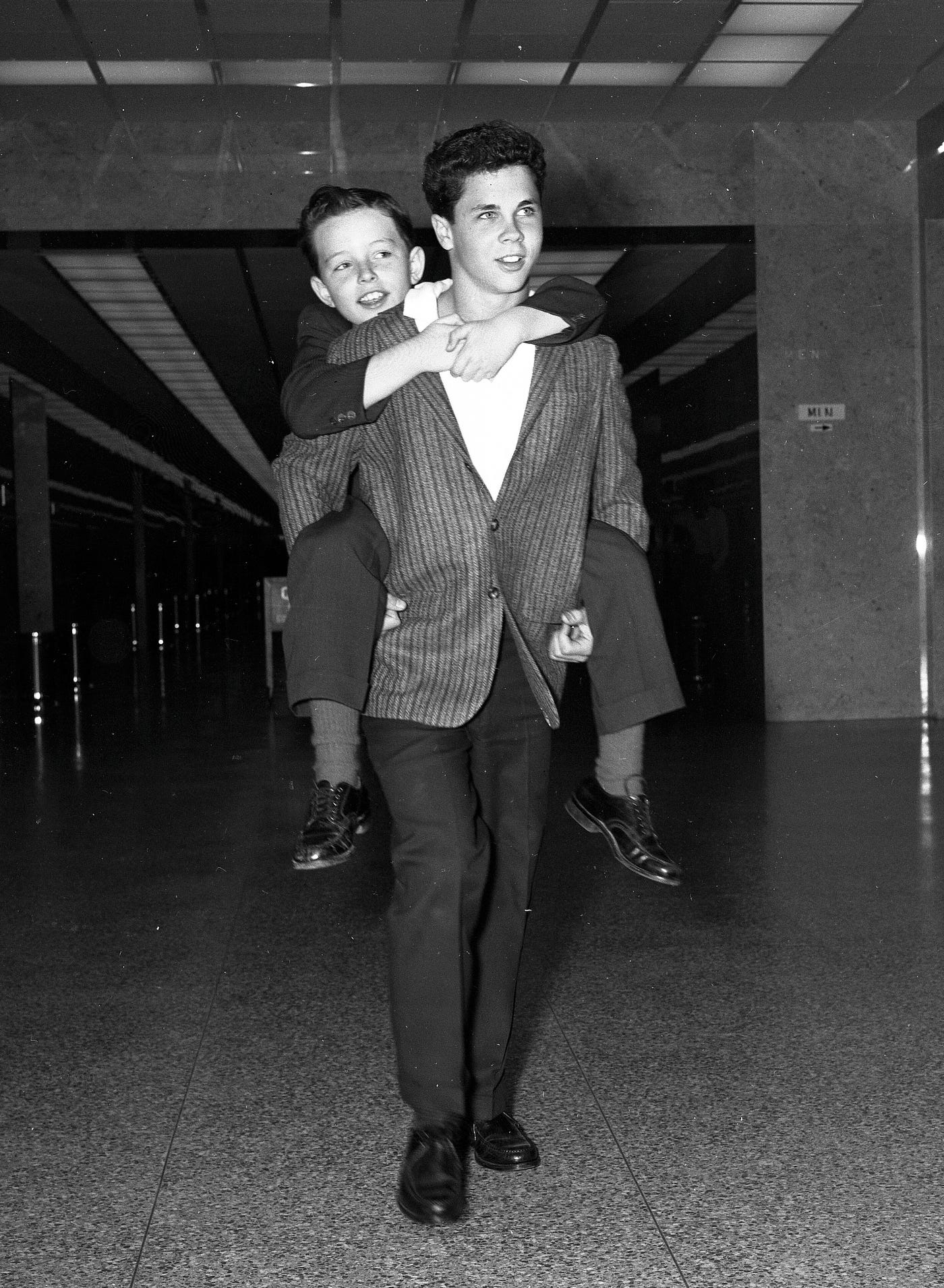
Sadly, Hugh Beaumont had passed away in 1982 before production began. The sequel’s premiere was dedicated to his memory, honoring the actor whose portrayal of Ward Cleaver had become one of television’s most respected father figures.
Another hallmark of the original series was its remarkably gentle tone.
Writers frequently removed jokes that felt too exaggerated or drew excessive laughter during rehearsals. Their goal was never to create broad comedy but to tell believable stories about family life that audiences could genuinely recognize.
That philosophy became one of the show’s defining strengths.
Behind the scenes, the production also reflected the stricter broadcasting standards of the 1950s. Storylines involving adolescence, romance, or sensitive family issues were approached with great caution, often requiring careful negotiation with network executives to ensure the series maintained its wholesome reputation.
One frequently discussed chapter in the show’s history involves actress Jeri Weil, who played Judy Hensler during the first season. Weil has spoken publicly in later years about feeling uncomfortable as she entered puberty while working as a child performer, offering modern audiences a reminder that young actors often faced challenges rarely discussed during television’s early decades.
As television historians have noted, the experiences of child actors in the 1950s were often shaped by production practices that would likely be handled very differently today.
Perhaps the greatest achievement of Leave It to Beaver was its ability to make ordinary childhood feel extraordinary.
Instead of relying on dramatic twists or outrageous situations, the series found humor in scraped knees, school misunderstandings, neighborhood adventures, and the everyday lessons of growing up. That authenticity allowed viewers to see themselves—and their own families—reflected on screen.
More than sixty years after its debut, Leave It to Beaver remains a landmark in American television history.
Its pioneering production choices, memorable performances, and timeless storytelling continue to introduce new generations to Beaver, Wally, June, and Ward Cleaver.
Behind the gentle laughter was a production filled with innovation, unexpected challenges, and dedicated performers who helped create one of television’s most enduring family classics.