Few films in Hollywood history have managed to balance laugh-out-loud comedy with a level of technical accuracy that earns the respect of professionals. My Cousin Vinny (1992) did exactly that, and decades later, the cast and crew are still revealing the untold stories behind its making—details that most fans never realized. At its core, the film was inspired by real-life perseverance and cultural clashes, but the magic on-screen involved a combination of precise casting, unexpected accidents, and relentless attention to authenticity.
The story of how the film came to be is as interesting as the movie itself. Screenwriter Dale Launer drew inspiration from a man who took the bar exam 13 times, determined to pass despite repeated failures. Launer traveled across the Southern United States to observe courtroom procedure, pick up regional nuances, and capture the subtleties of cultural misunderstandings. His goal was clear: the comedy would come from character interactions and situational humor, not ridicule. Every joke was rooted in truth, making the humor feel both genuine and timeless.
Casting was another crucial element. Robert De Niro was Launer’s first choice to play the lead, but executives felt his persona didn’t fit the comedic tone. Joe Pesci, drawing on people he knew from New Jersey, ultimately brought Vinny to life. Pesci’s energy—simultaneously brash, clever, and oddly endearing—cemented the character as one of the most memorable in courtroom comedy history. Marisa Tomei’s role as Mona Lisa Vito almost didn’t happen. Studio executives considered cutting her character entirely, yet Tomei’s infectious charm, quick wit, and Southern-Italian authenticity transformed Mona Lisa into a breakout star, earning her an Academy Award for Best Supporting Actress. Even the supporting cast had near-misses: Will Smith was considered for the role of Stan Rothenstein before Mitchell Whitfield landed it, showing how different the ensemble could have been.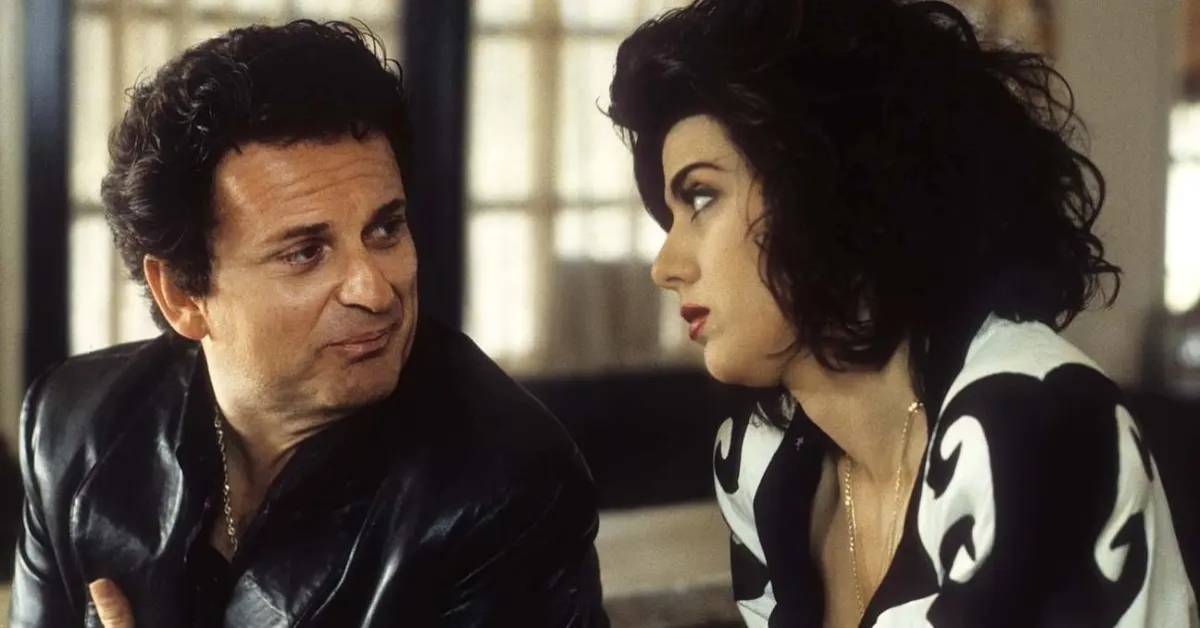
Director Jonathan Lynn brought more than cinematic vision—he brought legal expertise. With a law background himself, Lynn meticulously ensured the film’s trial scenes reflected real courtroom procedure. Filming took place in Gainesville, Georgia, in an actual prison, with real correctional officers on set. The actors’ reactions were genuine; the environment, strict and intimidating, created an atmosphere that translated to authenticity on-screen. Small touches, like the way witnesses were questioned or how evidence was presented, adhered to real criminal procedure, a commitment that has not gone unnoticed. Law schools and textbooks today reference the movie for its accuracy, highlighting it as a rare blend of entertainment and education.
The production was also full of unexpected moments and happy accidents that became iconic. The legendary line, “two yutes,” emerged from a genuine misunderstanding between Lynn and Pesci, a slip that perfectly encapsulated Vinny’s mix of confusion and confidence. The screech owl scene, one of the film’s most memorable comedic beats, worked flawlessly on a single take—a stroke of luck that left the cast in awe. Even Austin Pendleton’s nervous energy as the public defender added layers of humor; his tension caused repeated outbursts of laughter from the cast, forcing them to fight to maintain composure during filming.
Beyond the laughter, the film carried a subtle message about justice, diligence, and perseverance. Vinny’s unconventional approach, paired with Mona Lisa’s brilliance, challenged assumptions and underscored the importance of preparation and knowledge. It resonated not only with audiences seeking entertainment but also with legal professionals who appreciated the care taken to depict courtroom procedures correctly.
Decades later, the cast reflects on the film with admiration and surprise. They recount not only the challenges and creative clashes behind the scenes but also the personal growth each actor experienced. Joe Pesci, Marisa Tomei, and the ensemble all credit the meticulous research, the supportive—but demanding—set environment, and the unique chemistry between actors for the enduring charm of My Cousin Vinny. What many fans might not realize is that each laugh on screen was the result of careful observation, committed performance, and genuine collaboration.
In the end, My Cousin Vinny remains more than just a comedy. It is a testament to the power of research, the unpredictability of filmmaking, and the way authenticity can elevate humor to timeless status. From casting near-misses to the unexpected owl cameo, the behind-the-scenes stories reveal that the movie’s success was never guaranteed—it was earned through dedication, creativity, and a commitment to truth. For fans and newcomers alike, the film stands as a reminder that great comedy is often built on careful planning, clever improvisation, and a deep respect for the world it portrays.


