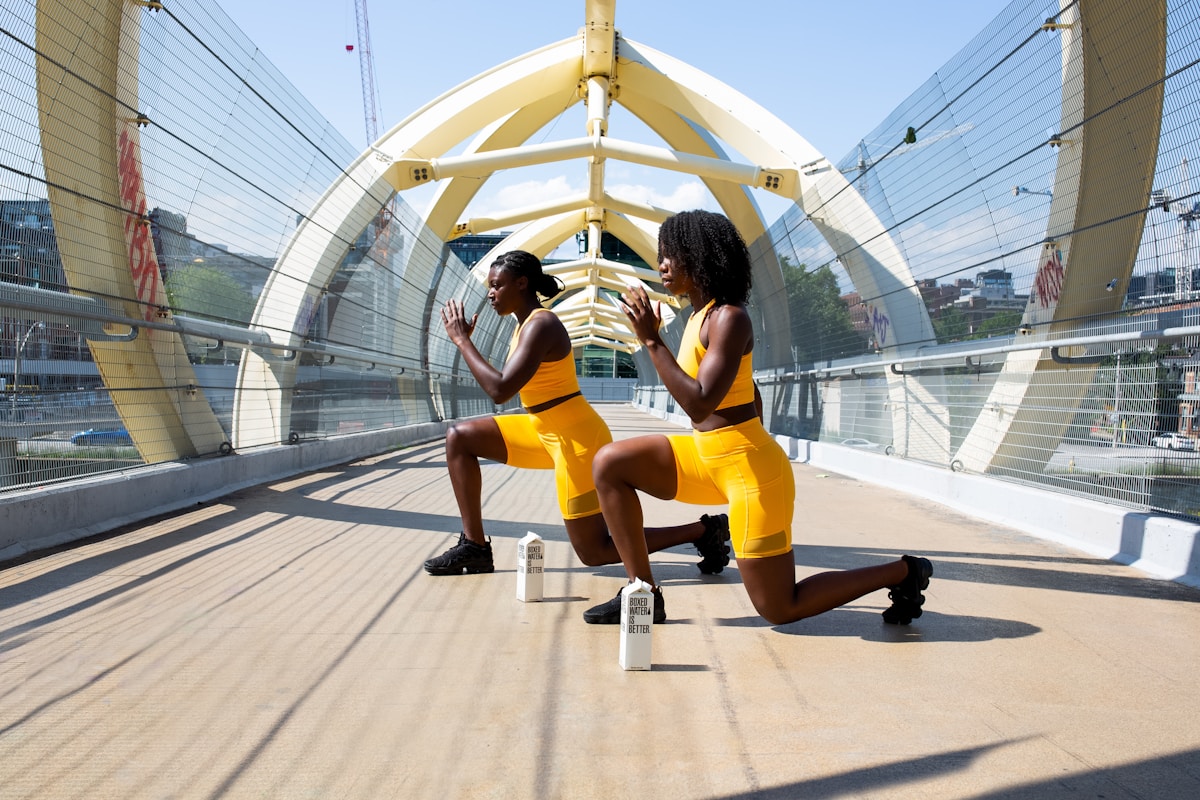
What does “fitness” truly mean to you? For many, the word conjures up images of chiseled abs, marathon runners, or endless hours sweating in a gym. You picture perfectly sculpted bodies plastered across magazines or your social media feed. But honestly, that’s often a narrow, even intimidating, view. Real fitness, the kind that genuinely changes your life for the better, isn’t about looking like a Greek god or running ultramarathons. It’s about feeling good, moving freely, and having the energy to live your life to the fullest. That’s a definition we can all get behind, right?
Forget the intense pressure to conform to some ideal. Your fitness journey is deeply personal. It’s about finding what works for your body, your schedule, and your mind. It’s about building habits you can stick with, not just for a week or a month, but for years to come. You don’t need expensive equipment or a personal trainer to start. You just need a desire to make small, consistent improvements. Think about it: waking up without that nagging back pain, easily carrying all your groceries in one trip, or simply playing with your kids or grandkids without getting winded. Those are real fitness wins.
What Does “Fitness” Even Mean Anymore?
We’re constantly bombarded with new diets, workout fads, and “biohacks” promising instant results. It’s enough to make your head spin! But strip away all the marketing noise, and fitness boils down to a few core components: strength, cardiovascular health, flexibility, and balance. And yes, a crucial, often overlooked fifth component: mental well-being. They’re all interconnected; you can’t truly optimize one without impacting the others.
It’s More Than Just the Gym
For years, I thought if I wasn’t bench-pressing heavy weights or pounding the treadmill for an hour, I wasn’t truly “fit.” What a load of nonsense! While structured workouts are fantastic, they’re not the only path. Your daily activity level plays a huge role. Take the stairs instead of the elevator. Walk to the store if it’s a reasonable distance, say less than a mile. Park further away at the mall. Those little choices add up. Think about it this way: someone who walks 30 minutes every day and incorporates some bodyweight exercises at home is often fitter than someone who hits the gym hard twice a week but spends the rest of their time glued to a chair.
It’s about purposeful movement. Can you hold a plank for 30 seconds? Squat down to pick something off the floor without straining your back? Touch your toes (or at least get close)? These functional movements are the bedrock of everyday fitness. Don’t overthink it. Just move your body more, in ways that feel good and serve your life.
The Mental Game of Fitness
Here’s a secret: your mind is often your biggest obstacle, but it can also be your greatest ally. Fitness isn’t just physical exertion; it’s about discipline, resilience, and managing stress. When you commit to a fitness routine, you’re also building mental fortitude. You learn to push past discomfort, to show up even when you don’t feel like it, and to celebrate small victories. This mental strength spills over into every other area of your life. Seriously, a good workout can clear your head like nothing else. It helps you process tough days, quiet anxious thoughts, and even gives you a sense of accomplishment that carries you through the rest of your day.
Consider the sheer amount of mental energy we expend on daily stressors, from work deadlines to trying to make sense of complex public issues. You might find yourself caught up in debates or wondering about the nuances of ongoing cases that divide public opinion, like the discussions around a particular Italian case that continues to spark debate. Taking time for your physical health gives you the mental buffer to handle these external pressures without getting completely overwhelmed.
Your First Steps Towards a Fitter You

Feeling overwhelmed by all this? Don’t be. The beauty of fitness is that you can start right where you are. Seriously, today. Pick one small thing and do it. That’s your first step.
Start Small, Stay Consistent
You don’t need to sign up for a marathon next week. Aim for achievable goals. If you’re currently sedentary, try walking for 10-15 minutes, three times a week. That’s it. Once that feels easy, bump it up to 20 minutes. Then 30. Gradually, you’ll build endurance. The key here is consistency, not intensity. Showing up for a short walk every day is far more effective than an intense, grueling workout you dread and only do once a month. Think “minimum effective dose” to get started. Even five minutes of stretching in the morning makes a difference.
Find Your Movement Joy
If you hate running, don’t run! There are a million ways to move your body.
Do you love music? Try a dance class or just dance around your living room.
Are you social? Join a recreational sports league – soccer, volleyball, even bowling.
Prefer solitude? Go for a hike, try some yoga at home with an app, or swim laps.
Maybe you always wanted to try rock climbing, or cycling. Whatever it is, find something that makes you smile, something you actually look forward to doing. When you enjoy it, it stops feeling like a chore and becomes a treat.
Fueling Your Body Right
You can’t out-exercise a bad diet. What you put into your body directly impacts your energy levels, recovery, and overall well-being. You don’t need a super restrictive diet. Start with simple swaps.
- Drink more water. Seriously, aim for eight glasses a day. You’ll be surprised how much better you feel.
- Eat more vegetables. Try to fill half your plate with colorful veggies at lunch and dinner.
- Swap sugary drinks for water or unsweetened tea.
- Choose whole grains over refined ones. Brown rice instead of white, whole wheat bread over white bread.
- Focus on lean protein: chicken, fish, beans, lentils. Protein helps you feel full and supports muscle repair.
These aren’t drastic changes, but they create a ripple effect. You’ll have more energy for your workouts, recover faster, and probably shed a few pounds naturally.
Building a Sustainable Fitness Routine
Once you’ve got those initial steps down, it’s time to think long-term. How do you make fitness an integral, non-negotiable part of your life? It’s all about planning and listening to your body.
The Power of Planning
Successful people don’t “find” time; they make time. Schedule your workouts like you would any important appointment. Put it on your calendar. Treat it with respect. If you plan to walk at 6 AM, lay out your clothes the night before. If it’s an evening gym session, pack your bag in the morning. Having a plan eliminates decision fatigue and makes it much easier to stick to your commitments. A weekly review of your fitness goals and schedule can be incredibly helpful. Block out specific times for movement, even if it’s just 20 minutes, three times a week.
Don’t Forget Recovery
Rest is just as important as the workout itself. Your muscles grow and repair when you’re recovering, not when you’re lifting. Aim for 7-9 hours of quality sleep every night. Seriously, prioritize it. And give your body active recovery days – think light stretching, gentle yoga, or a leisurely walk instead of intense exercise. Pushing yourself too hard, too often, leads to burnout,