Dolly Parton is finally breaking her silence. Just weeks after the quiet passing of her husband of nearly six decades, Carl Dean, the country music legend has begun speaking with a candor that fans have never witnessed before. The woman who spent fifty-nine years guarding the secrets of one of entertainment’s most mysterious marriages is now revealing the truth behind the love story that the world never truly understood.
Dean passed away on March 3, 2025, at the age of eighty-two in Nashville. The official cause was complications related to Alzheimer’s disease, a devastating illness that had been slowly stealing the fiercely private man from the world for years. But for those closest to the couple, his death marked the end of an era defined by unusual choices, unspoken sacrifices, and a bond that defied every convention of celebrity marriage.
 The story began in the simplest of settings. A nineteen-year-old Dolly Parton had just arrived in Nashville with a suitcase full of dreams and dirty laundry. Standing outside a local laundromat, she caught the attention of a young man driving by in a white Chevy pickup truck.
Carl Thomas Dean pulled over to warn her about getting sunburned, and in that instant, he later confessed, he knew she was the woman he would marry.
What followed was a courtship that moved at two very different speeds. Carl was immediately devoted, while Dolly, focused entirely on building her career, was deeply cautious. She had helped raise her younger siblings and had no interest in becoming a traditional housewife.
Remarkably, Carl wanted none of the spotlight either. Before their 1966 wedding, the couple made a simple agreement that would define their entire marriage: Carl would stay out of the public eye, and Dolly would never give up her dreams.
That agreement held for fifty-nine years. While Dolly conquered the music world, Carl remained a complete mystery to the public. He avoided interviews, refused red carpets, and once tore off a rented tuxedo the moment an award ceremony ended, telling his wife that world simply was not for him.
 He preferred buying his own ticket at Dollywood and standing in line like everyone else, never once using his wife’s fame to elevate himself.
But behind the carefully protected privacy, there were secrets. Dolly has long hinted that her marriage was open, though she always clarified it meant harmless flirting rather than infidelity. Both she and Carl enjoyed playful attention from others, she admitted, but the line was never crossed.
That playful nature fueled decades of rumors linking her to Hollywood’s biggest leading men, including Burt Reynolds, her co-star in The Best Little Whorehouse in Texas.
Dolly admitted she had a genuine crush on Reynolds during filming, a confession that sent tabloids into a frenzy. She later acknowledged the same chemistry with Sylvester Stallone while making Rhinestone, and the deep, affectionate bond she shared with Kenny Rogers sparked constant speculation. Yet she always insisted those relationships remained platonic, describing her connection with Rogers as more family than romance.
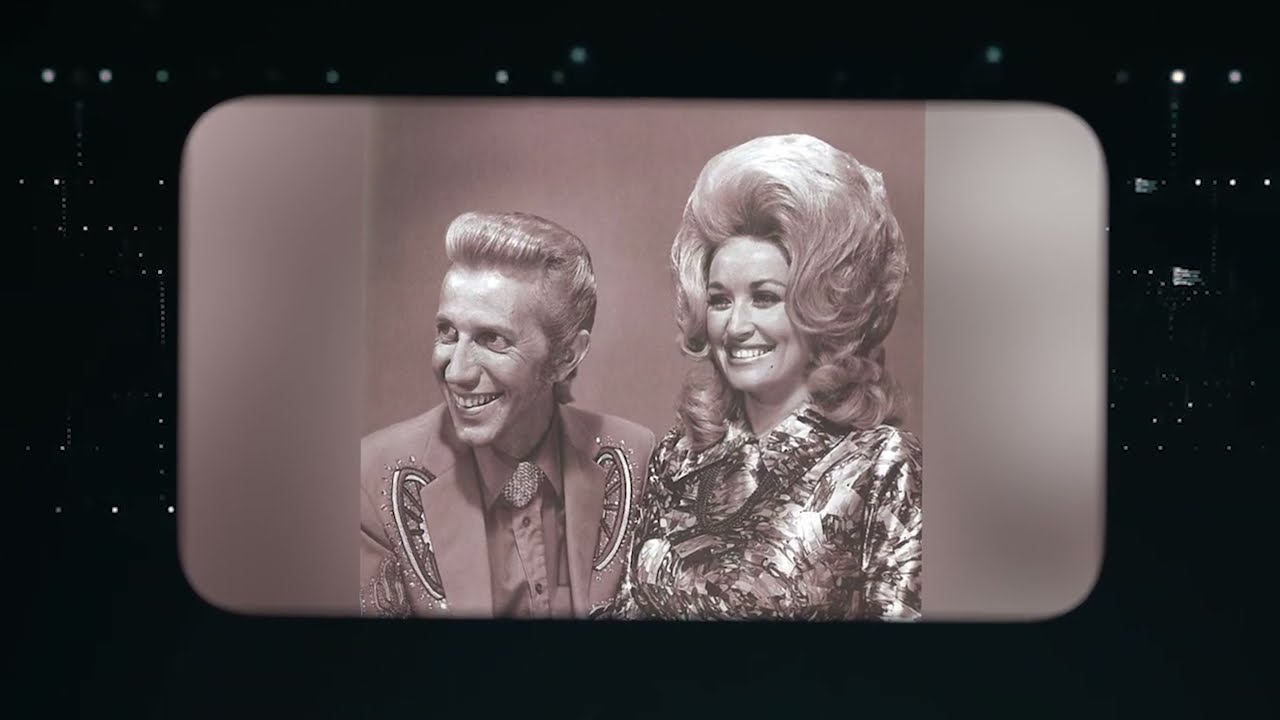 Then there was Gregg Perry, her band leader, a relationship Dolly described not as a physical 𝒶𝒻𝒻𝒶𝒾𝓇 but as an 𝒶𝒻𝒻𝒶𝒾𝓇 of the heart. She fell intensely for his intelligence and musical talent, an emotional entanglement that strained friendships and ultimately devastated her when Perry walked away from the production. The heartbreak inspired the song “What a Heartache” and drove her to one of the darkest periods of her life, a moment she credits her dog, Popeye, with pulling her back from.
Through every rumor and every emotional storm, Dolly maintained that Carl remained the true love of her life. Their bond was tested by her relentless ambition, including her bold decision to walk away from Elvis Presley’s offer to record “I Will Always Love You” when his manager demanded half the publishing rights. At twenty-eight, she chose ownership over fame, a move that secured her family’s future and proved her genius as a businesswoman.
In his final years, the tables turned. As Alzheimer’s ravaged his mind, the fiercely independent man who hated the spotlight became completely dependent on his wife. Dolly reportedly reduced her staff to a handful of trusted people, limited family visits, and spent most of her time by his side, terrified that a simple illness could end his life.
The disease brought confusion, emotional outbursts, and a gradual fading of the man she had known.
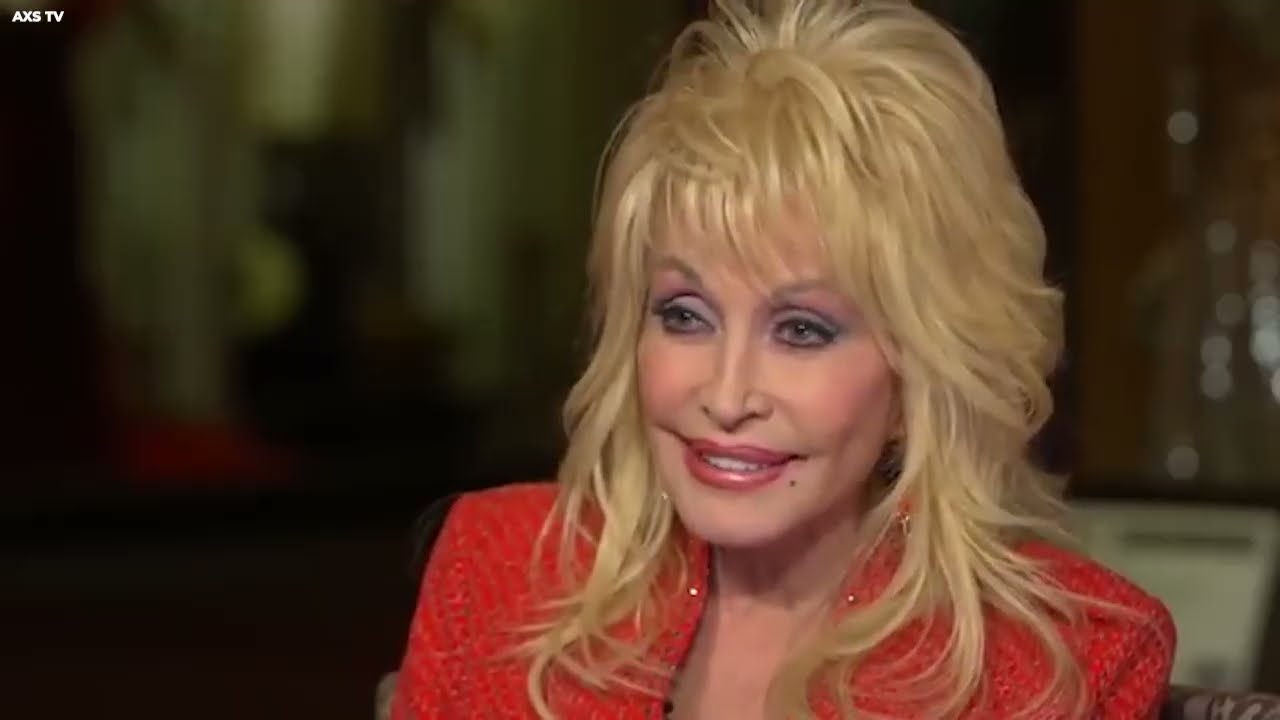 When Carl finally passed, Dolly’s grief was profound, but so was her liberation. For the first time in her adult life, she no longer had to protect the secret world they shared. The playful jokes about her celebrity crushes, the emotional confessions about heartbreaks, and the truth about a marriage that outsiders never understood, all of it is now coming to light in ways fans have never seen.
What emerges is a portrait of a partnership built on an extraordinary paradox. Dolly Parton belonged to the world, while Carl Dean belonged only to himself. He wanted nothing from her fame, asked for nothing, and demanded nothing except the simple freedom to live his life quietly.
In return, she gave him the only thing a man like that could truly value: the space to be exactly who he was.
Even in death, Carl’s influence remains. Dolly has revealed that she still feels his presence, still talks to him, and still finds herself reaching for him in quiet moments. The guards are down now, the secrets are finally surfacing, and the world is learning that the most mysterious marriage in country music history was, in the end, exactly what it always appeared to be: a love story that needed no audience to be real.