For generations of comedy fans, Gracie Allen was remembered as one of the most unique performers in entertainment history. With her innocent expression, perfectly timed confusion, and unforgettable “scatterbrained” personality, she made millions of people laugh on stage, radio, film, and television.
Audiences believed they knew Gracie Allen.
They knew the character who seemed to misunderstand everything, who asked ridiculous questions, and who often appeared to be one step behind everyone else.
But behind that famous persona was a remarkably intelligent performer, a talented comedian, and a woman whose personal life was built around one of Hollywood’s most enduring partnerships.
Her marriage to George Burns was not the story of a typical show-business romance.
It was a partnership built on creativity, trust, and a connection that lasted through decades of fame, success, and personal challenges.
Gracie Allen was born in 1895 in San Francisco, California, into a family already connected to entertainment. Her father worked in vaudeville, and from an early age, Gracie was surrounded by performers and the world of live comedy.
She began performing as a child and eventually entered the vaudeville circuit, where entertainers traveled from city to city performing for audiences every night.
It was during this period that she met George Burns.
Their meeting in 1922 would change both of their lives forever.
At first, their relationship was purely professional. George was a talented comedian and performer, while Gracie brought something completely different—a unique style of humor built around timing, expression, and the ability to make audiences believe she was unaware of how funny she truly was.
Together, they created something special.
George played the confident straight man.
Gracie played the innocent, unpredictable partner.
The contrast became the foundation of their comedy.
But what audiences saw on stage was only part of the story.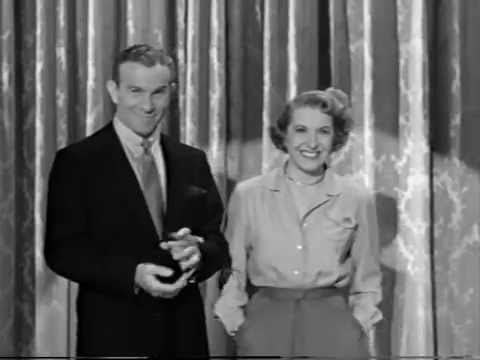
Behind the scenes, Gracie was far more clever than the character she portrayed. The “silly” Gracie Allen persona was actually carefully created, requiring incredible control, timing, and intelligence.
She understood comedy at a level few performers ever achieved.
In 1926, George Burns and Gracie Allen married, combining their personal and professional lives.
Their partnership became one of the most successful acts in entertainment history.
During the 1930s and 1940s, The Burns and Allen Show became a major radio success. Millions of listeners tuned in every week to hear their playful conversations and perfectly crafted comedy routines.
Their popularity eventually led them to Hollywood.
They appeared in films including The Big Broadcast and A Damsel in Distress, proving that their humor could succeed beyond the stage and radio.
But their greatest transition came with television.
In 1950, The George Burns and Gracie Allen Show premiered and introduced their comedy to a new generation. The series became a major success, and Gracie’s character became one of television’s most recognizable personalities.
However, one of the greatest secrets of the show was that Gracie’s character was never as simple as audiences believed.
The humor worked because viewers underestimated her.
While everyone around her assumed she was confused or unaware, she often understood far more than people realized. The comedy came from the contrast between perception and reality.
That was the genius of Gracie Allen.
She created the illusion of being clueless while demonstrating extraordinary comedic intelligence.
But behind the laughter, Gracie’s health was becoming a concern.
After decades of performing, the demands of show business began taking a toll. In 1958, Gracie made the difficult decision to retire from performing.
For someone who had spent her entire life entertaining audiences, stepping away was not easy.
But George Burns supported her completely.
Their relationship changed from a professional partnership into something even more personal. As Gracie’s health declined, George became her caregiver and remained devoted to her.
This period revealed the true nature of their marriage.
The world had seen them as a comedy team.
But those closest to them saw something deeper.
They were best friends.
They trusted each other.
They built their lives around supporting one another.
When Gracie Allen passed away in 1964 at the age of 69, George Burns lost not only his wife but also his creative partner and closest companion.
The loss affected him deeply.
Despite returning to successful solo work afterward, including an Oscar-winning performance in The Sunshine Boys, George never remarried.
He continued honoring Gracie’s memory throughout the rest of his life.
When he won the Academy Award for Best Supporting Actor in 1976, he dedicated the achievement to Gracie, recognizing that much of his success had been built together with her.
Their story became one of Hollywood’s most touching examples of lasting devotion.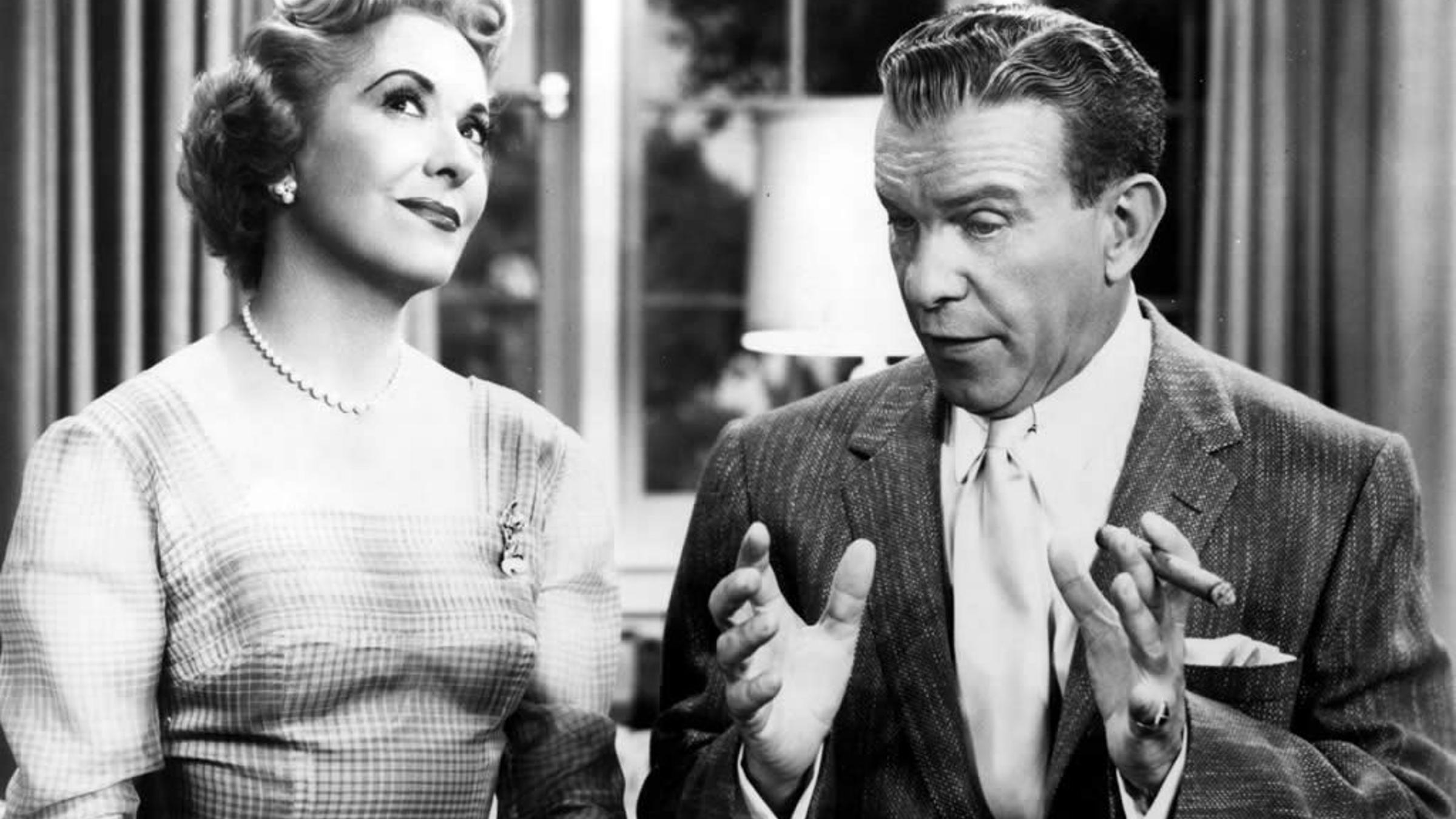
Gracie Allen was not simply the woman behind a famous comedy character.
She was a pioneer.
She helped shape early American comedy and proved that a female performer could be both beloved and influential in an industry often dominated by men.
Her legacy continues because her humor was not based only on jokes.
It was based on understanding human nature.
She knew how people saw her, and she knew exactly how to surprise them.
More than 60 years after her passing, Gracie Allen remains remembered not only as a comedy legend, but as half of one of entertainment’s greatest love stories.
Her marriage to George Burns survived the pressures that destroyed many Hollywood relationships because it was built on something stronger than fame.
Respect.
Friendship.
And genuine love.