Throughout Hollywood’s Golden Age, Maureen O’Hara earned a reputation not only as one of the industry’s most talented actresses, but also as one of its most fearless voices. According to the video, she refused to accept the culture of intimidation and coercion that many women quietly endured, later speaking openly about powerful figures whose behavior reflected the darker side of classic Hollywood.
The video begins with director John Farrow, whom O’Hara described as becoming increasingly obsessive after she rejected his romantic advances. According to the account presented, his behavior escalated into persistent psychological pressure that left a lasting impression on the actress during the early years of her career.
Perhaps the most complicated relationship was with legendary director John Ford. Ford helped transform O’Hara into one of Hollywood’s biggest stars through films such as The Quiet Man, yet the video claims their working relationship was often marked by public humiliation, harsh criticism, and, at times, physical intimidation. O’Hara reportedly viewed him as both the man who elevated her career and the person who caused some of her greatest professional distress.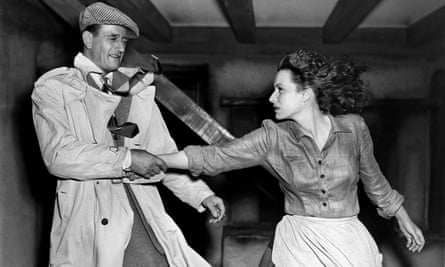
The video also revisits her experiences with Errol Flynn, whose reputation for reckless behavior and excessive drinking reportedly made O’Hara deeply uncomfortable. While Flynn remained one of Hollywood’s biggest stars, she allegedly found much of his off-screen conduct impossible to respect.
Although John Wayne and Maureen O’Hara became one of classic cinema’s most beloved screen pairings, the video argues that their friendship was not without disagreement. O’Hara is said to have openly challenged Wayne over his forceful personality and opinions, refusing to remain silent simply because he was one of Hollywood’s most influential actors.
Another prominent figure discussed is billionaire filmmaker Howard Hughes, who, according to the video, attempted to exert control over O’Hara’s career and public image. Rather than accepting those demands, she consistently defended her independence, resisting efforts to treat her as another studio-controlled star.
The video continues by highlighting allegations surrounding Mickey Rooney, portraying him as someone who benefited from—and contributed to—the exploitative “casting couch” culture that existed throughout much of the studio era. It also discusses Robert Mitchum, whose rebellious public image is contrasted with claims of troubling behavior and attitudes toward women.
Director Nicholas Ray is described as another powerful figure whose personal relationships with younger actresses raised serious concerns, while filmmaker Otto Preminger is portrayed as one of Hollywood’s most intimidating directors, known for an uncompromising management style and frequent verbal confrontations with actors on set.
Ultimately, the video argues that Maureen O’Hara’s greatest legacy extends beyond her unforgettable performances. By refusing to compromise her principles or remain silent about experiences she believed reflected systemic problems within the film industry, she became a symbol of resilience during an era when few actresses felt able to challenge powerful studio figures. Her story serves as a reminder that behind Hollywood’s glamorous image often existed environments where courage required far more than simply delivering a memorable performance.