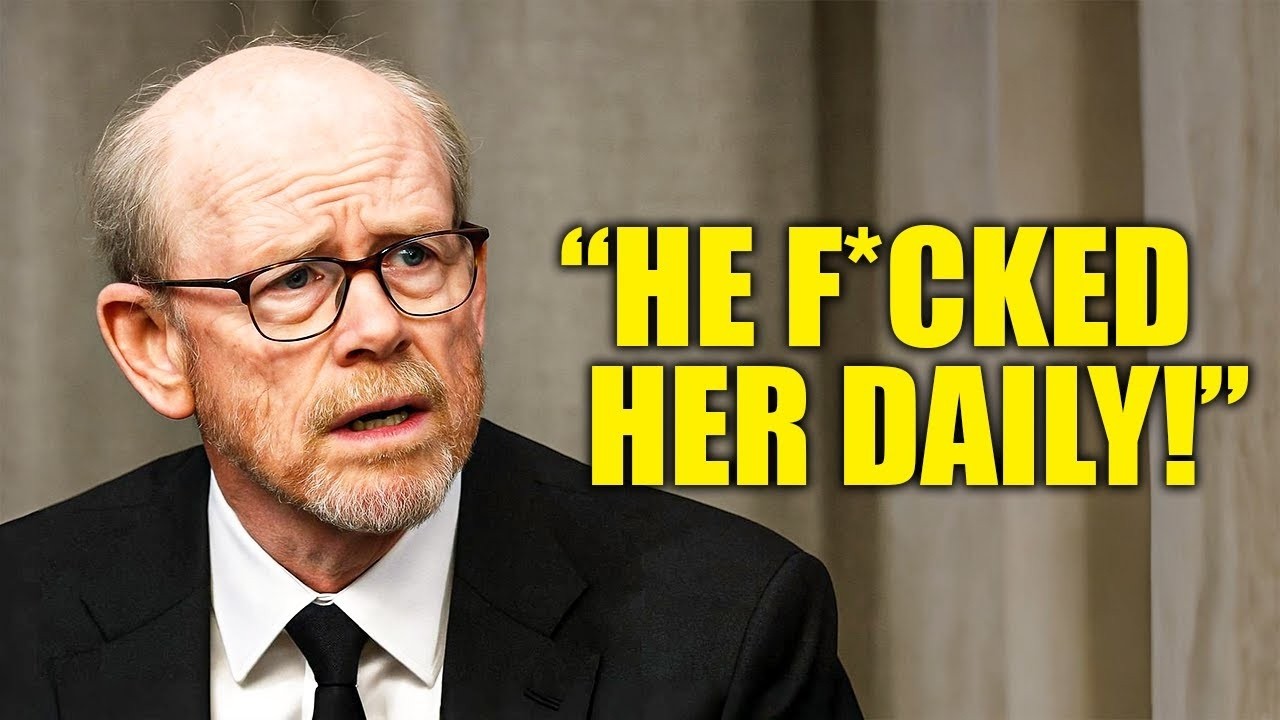
Veteran Hollywood director Ron Howard has shattered decades of carefully maintained industry decorum by identifying six of the most challenging actors he has ever encountered during his legendary career, a revelation that has sent shockwaves through the entertainment community and forced a long-overdue reckoning with the darker side of show business.
The Oscar-winning filmmaker, known for his calm demeanor and diplomatic approach to filmmaking, broke his silence in a series of candid interviews that have left fans and industry insiders stunned. Howard, who began his career as a child actor on iconic television shows before transitioning into one of the most respected directing careers in Hollywood history, has finally decided to lift the veil on the creative conflicts, emotional turmoil, and professional betrayals that defined his most difficult working relationships.
 The director made clear that his revelations are not born from bitterness or a desire for revenge, but rather from a need to provide an honest accounting of what really happens behind the closed doors of Hollywood sets. He emphasized that his experiences with these actors shaped his understanding of the industry and taught him valuable lessons about navigating the treacherous waters of fame, power, and creative collaboration.
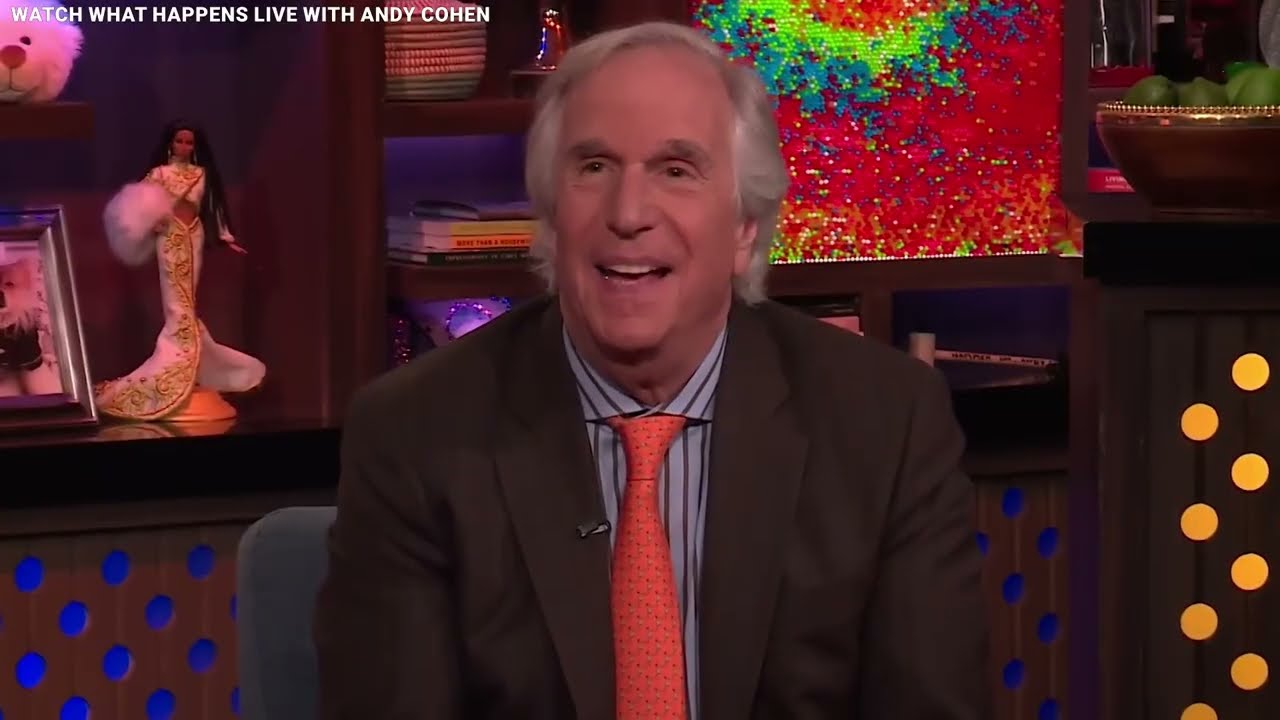
The first name on Howard’s list was Henry Winkler, his former co-star on Happy Days, a revelation that has ignited intense discussion among fans of the beloved television series. The two actors played best friends on screen, but behind the scenes, a starkly different reality was unfolding. When Winkler’s character Arthur Fonzarelli became an unexpected cultural phenomenon, the show’s writers began shifting focus away from Howard’s Richie Cunningham toward the character who would become known as The Fonz.
Howard admitted that he experienced genuine hurt and jealousy as the spotlight moved away from him. He described watching privately as the audience, media, and television executives became increasingly focused on Winkler’s character. The situation could have destroyed their professional relationship, but both actors handled it with remarkable maturity during a quiet conversation.
Howard revealed that he was honest about his feelings while making clear that he understood Winkler had done nothing wrong.
The second actor Howard identified was Vince Vaughn, with whom he worked on the comedy The Dilemma. What began as a standard movie promotion turned into a national controversy when a trailer included a line delivered by Vaughn that many people found deeply offensive. The joke quickly became the subject of widespread criticism, drawing attention from news organizations, advocacy groups, and viewers who questioned whether the language was acceptable in any context.
Howard found himself in an impossibly difficult position as the director of the film. He had to manage pressure from the studio, while also facing intense criticism from the public and relentless questions from journalists. The controversy escalated into a national debate about comedy, responsibility, and freedom of expression.
Howard attempted to explain that the line was consistent with the character Vaughn was playing, an impulsive man who often spoke without thinking, but the explanation did little to quell the outrage.
The trailer was eventually changed, but by the time the movie was released, the public discussion had already shaped how many people viewed the film. Howard described the situation as one of the most difficult public relations crises of his entire career, a moment when a handful of words in a movie trailer created a far larger debate about social values and creative responsibility.
The third actor on Howard’s list was Mel Gibson, though their relationship was complicated by a different kind of tension. In 1995, Howard directed Apollo 13, a film about the harrowing space mission that became one of the most celebrated movies of the year. The film received widespread critical acclaim and multiple Academy Award nominations, but Howard was deeply disappointed when he did not receive a nomination for Best Director, a snub that surprised many industry observers.
 Years later, Howard was nominated for Best Director for A Beautiful Mind. At the Academy Awards ceremony, Gibson was chosen to present the award. Before the event, Gibson reportedly told Howard that he was going to give him an Oscar.
Howard did not know whether Gibson was joking or making a confident prediction. When Gibson opened the envelope and announced Howard’s name, the moment became one of the defining achievements of Howard’s career, a vindication after years of feeling overlooked.
The fourth actor Howard named was Wilford Brimley, with whom he worked on the film Cocoon. At the time, Howard was still building his reputation as a major movie director, and he faced the challenge of working with an actor who was known for his strong personality and direct manner of speaking. Brimley brought a serious and realistic style to his role, but he also had strong beliefs about how his character should behave.
Howard described moments when Brimley preferred to perform scenes in his own way instead of following the director’s instructions. Howard wanted specific emotional reactions, while Brimley insisted that his character would behave more quietly. These disagreements created stress for the crew and made filming more difficult.
Brimley was known for being blunt and unwilling to accept every suggestion without question, and his strong personality was challenging, especially when the production faced pressure.
The fifth actor Howard identified was Jeffrey Tambor, with whom he worked on Arrested Development. Howard served as a producer and narrator on the series, while Tambor played George Bluth Sr. , one of the show’s most recognizable characters.
Tambor had earned widespread respect as a talented actor and had received major awards for his work, but the working relationship became increasingly difficult as the show progressed.
The controversy involving Tambor became one of the most serious and uncomfortable moments connected to the series. Howard described the situation as deeply troubling, a moment when creative differences and personal behavior collided in ways that left lasting damage to professional relationships. The experience taught Howard difficult lessons about the limits of patience and the importance of maintaining professional boundaries, even with talented performers.
 The sixth and final actor Howard named was Tom Hanks, a revelation that has stunned many because Hanks is widely considered one of the most beloved figures in Hollywood. Howard and Hanks worked together on several projects, including the critically acclaimed film Apollo 13. While Howard emphasized that Hanks is not evil in the traditional sense, he described moments of creative tension that tested their professional relationship.
Howard explained that even the most cooperative and talented actors can create difficult situations when their creative vision conflicts with the director’s. He described moments when he and Hanks had different ideas about how to approach certain scenes, leading to heated discussions that required careful navigation. The director made clear that his relationship with Hanks ultimately remained strong, but the experience demonstrated that no professional relationship in Hollywood is immune to tension.
Howard’s revelations have sparked intense debate about the nature of creative collaboration and the challenges of working with powerful personalities. The director emphasized that his experiences with these actors taught him valuable lessons about managing conflict, maintaining professional boundaries, and protecting the integrity of creative projects. He noted that many of the people he worked with, including those who were difficult, ultimately contributed to his growth as a filmmaker.
The director also addressed the broader culture of Hollywood, describing an industry where fame, pressure, and strong personalities can create an environment that is emotionally and professionally challenging. He noted that the entertainment industry often glamorizes success while ignoring the personal costs of working with difficult people. Howard’s willingness to speak openly about his experiences has been praised by many industry insiders who say the conversation about difficult behavior in Hollywood has been long overdue.
Howard’s career has spanned more than five decades, from his early days as a child actor on The Andy Griffith Show to his work as one of the most respected directors in the world. He has directed some of the most successful films in Hollywood history, including A Beautiful Mind, Apollo 13, and The Da Vinci Code. His calm personality and professional attitude have made him one of the most trusted figures in the industry.
The director’s revelations are particularly significant because of his reputation for patience and diplomacy. Even someone known for being easy to work with, he said, can face difficult moments when creative disagreements, public controversies, and changing friendships create tension behind the scenes. His stories show how fame, pressure, and strong personalities can create complicated situations that are not always visible to the public.
Howard emphasized that his experiences are not primarily about hatred or personal enemies. In many cases, the difficult moments he faced emerged from the natural pressures of creative collaboration. Actors may have different opinions about a scene, a character, or the direction of a movie.
Some may speak openly, while others may keep their feelings private. The challenge for any director is to navigate these differences while maintaining the integrity of the project.
 The director also noted that some disagreements ended with respect and friendship, while others became public controversies that affected careers and reputations. His experiences with the six actors he named show different sides of Hollywood, including jealousy, public criticism, creative freedom, difficult behavior, and changing professional relationships. They also show how he often tried to remain calm during stressful situations, focusing on solving problems and protecting the project rather than responding with anger.
Howard’s willingness to speak openly about his experiences has been met with a mix of praise and criticism. Some have commended him for his honesty, while others have questioned whether it is appropriate to name names after so many years. The director defended his decision, saying that the stories needed to be told honestly and that the public deserves to understand the real challenges of creative collaboration.
The controversy surrounding Howard’s revelations has also drawn attention to broader issues in Hollywood, including the treatment of actors, the pressures of fame, and the challenges of maintaining professional relationships in a competitive industry. Many have pointed out that the entertainment industry often protects powerful figures while ignoring the experiences of those who work with them.
Howard’s perspective is particularly valuable because he has experienced both sides of the industry. He began as a child actor, understanding the pressures of performing in front of cameras and dealing with the expectations of audiences and executives. He later became a director, experiencing the challenges of managing creative teams and navigating the complex dynamics of Hollywood productions.
The director’s revelations have also sparked discussion about the nature of evil in Hollywood. Howard made clear that he does not consider the actors he named to be evil in a moral sense, but rather that they exhibited behavior that was difficult, challenging, and sometimes harmful. He emphasized that the entertainment industry is full of talented people who are also complicated, and that working with them requires patience, understanding, and sometimes difficult conversations.
Howard’s career has been marked by both success and struggle. He has created some of the most beloved films of the past several decades, but he has also faced criticism and disappointment. His willingness to speak openly about his experiences has provided a rare glimpse into the realities of working in Hollywood, where even the most successful directors must navigate difficult relationships and challenging situations.
The director’s revelations are likely to continue generating discussion in the coming days and weeks. Many are eager to hear more details about his experiences with the six actors he named, while others are interested in learning about other difficult moments in his career. Howard has indicated that he is willing to continue the conversation, saying that honesty about the challenges of creative collaboration is important for the industry.
The impact of Howard’s revelations on the actors he named remains to be seen. Some have already responded, either defending themselves or acknowledging the challenges of working with such a demanding director. Others have remained silent, perhaps hoping that the controversy will pass.
Whatever the response, Howard’s willingness to speak openly about his experiences has already changed the conversation about difficult behavior in Hollywood.
The director’s story is ultimately about the challenges of creative collaboration in an industry that is often glamorized but rarely understood. His experiences with the six actors he named show that even the most successful professionals face difficult moments, and that navigating those moments requires patience, understanding, and sometimes difficult conversations. Howard’s revelations have provided a rare and valuable glimpse into the real world of Hollywood, where success and struggle often go hand in hand.