Dean Martin, the quintessential symbol of effortless cool, harbored a hidden life marked by hardship, emotional distance, and profound loss that the public never saw. Behind his legendary charm and timeless tunes lay secrets of survival, sorrow, and a silence that haunted the crooner until his final days.
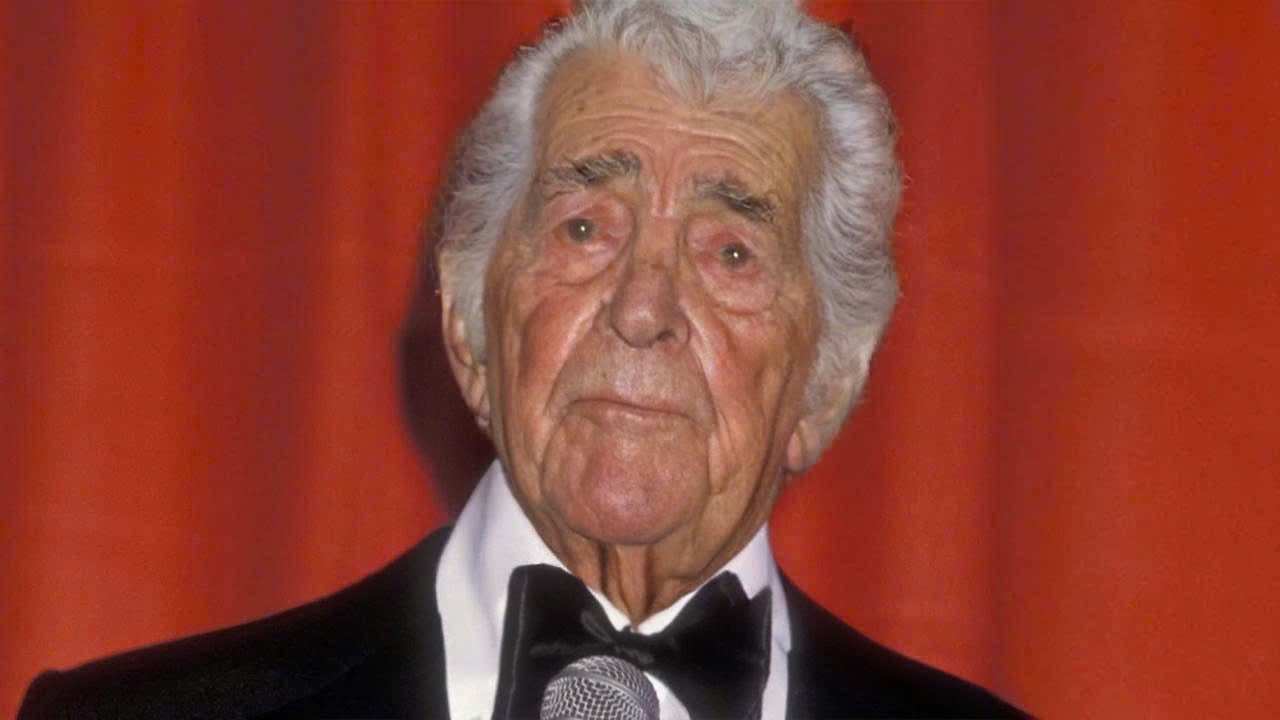
Born Dino Paul Crocetti in 1917, Martin’s life was shaped early by the struggles of being an Italian immigrant’s son in Ohio. His first language was Italian, and adapting to American schooling was a battle. Dropping out at sixteen, he braved grueling jobs from steel mills to underground casinos, shaping a resilience beneath his smooth exterior.
Music offered Martin a lifeline, a transformative escape from his rugged past. Inspired by iconic voices, he reinvented himself as Dean Martin, adopting a style whose relaxed charm masked the inner turmoil he refused to reveal. His voice didn’t just sing—it soothed and captivated audiences nationwide.
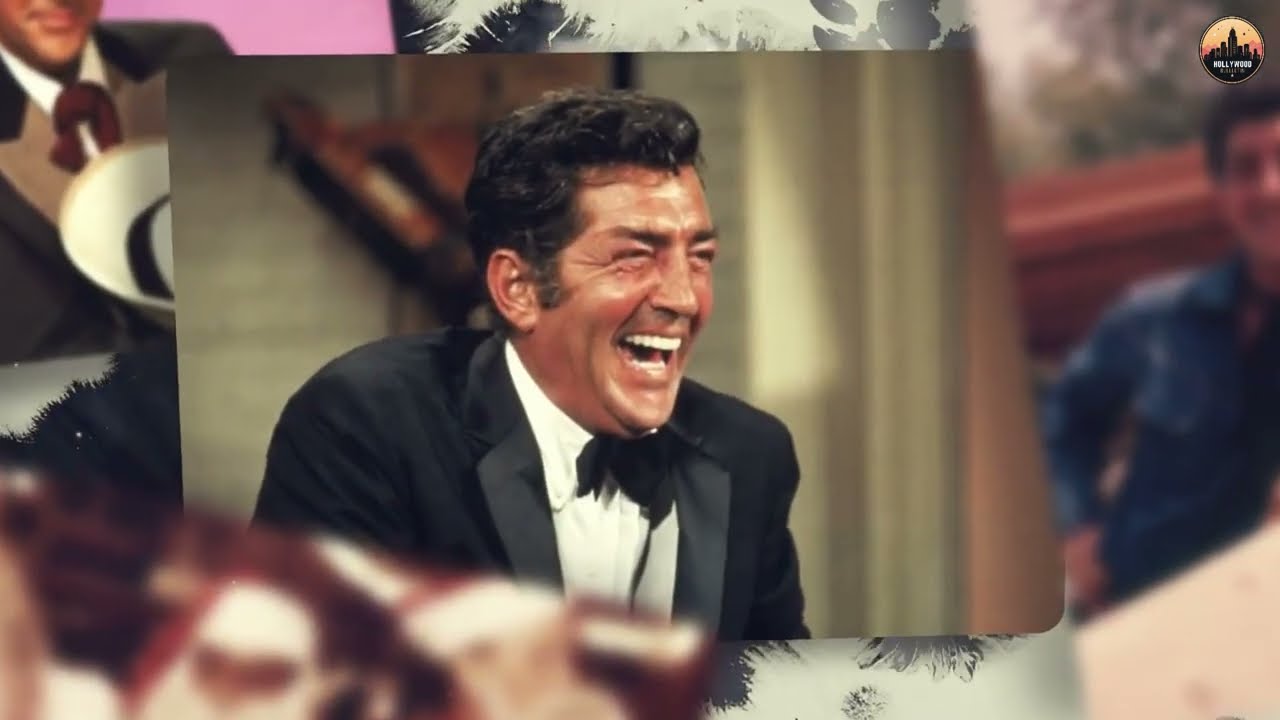
The breakthrough came with Jerry Lewis in 1946, creating a legendary comedy duo that dominated entertainment. Yet beneath the onstage chemistry simmered tension and unease. Their split in 1956 shocked fans, but Martin stunned critics by flourishing solo, proving he was no mere comedic sidekick.
Martin’s post-duo career skyrocketed; he emerged as a credible actor opposite Hollywood titans and produced chart-topping hits crossing generations. His 1964 chart-topping smash knocking the Beatles from number one solidified his status not just as a star, but as a cultural icon strikingly multifaceted.
The Rat Pack era defined the apex of Martin’s public persona—Las Vegas glamour, effortless charisma, and a seemingly carefree lifestyle. The drink in his hand was often a prop, yet references to Martin’s offstage struggles with alcohol reveal a complex coping mechanism shielding him from unresolved emotional pain.
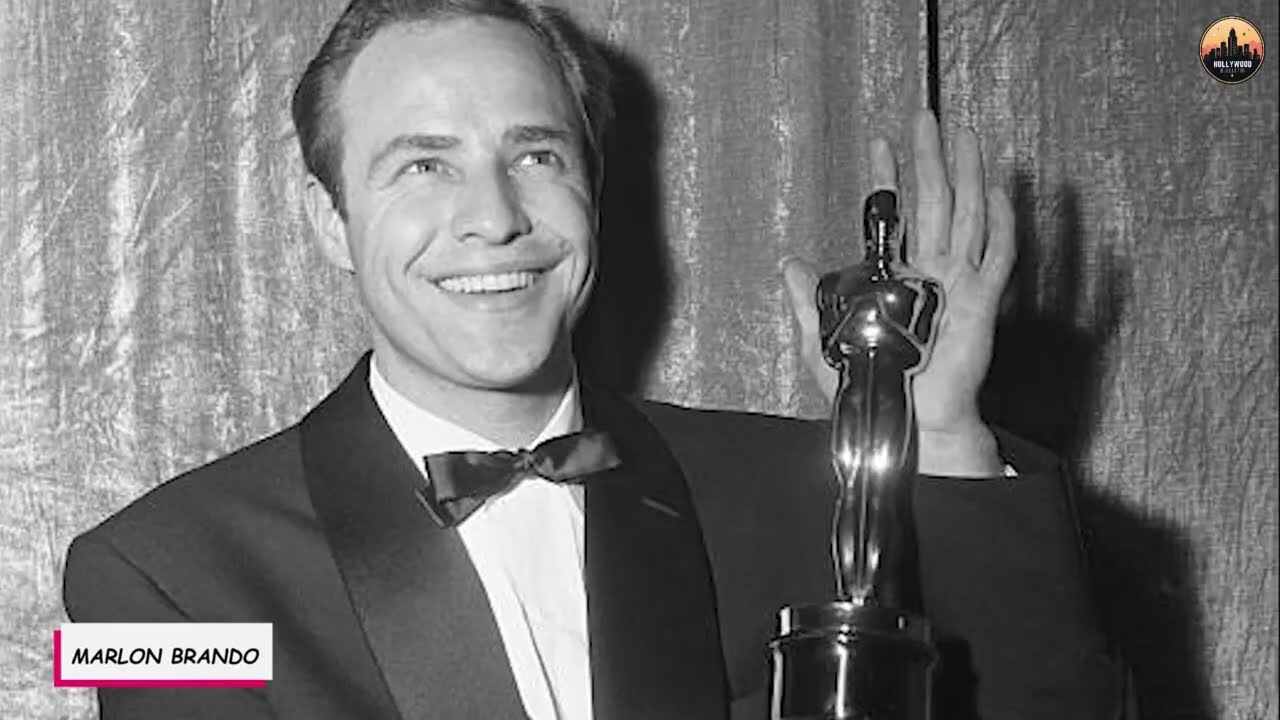
Despite a career glimmering with success, Martin’s personal life was shadowed by emotional distance. Married thrice, father to eight, his relationships bore the imprint of a man who guarded his feelings fiercely. Conflict was met with avoidance, leaving friendships and family bonds strained under silent burdens.
The darkest chapter unfolded in 1987 with the tragic death of his son Dean Paul Martin in a plane crash. This blow shattered Martin’s public persona—his humor faded, his performances ceased, and the man who once radiated invincibility retreated into seclusion, unable to wrestle with his grief openly.
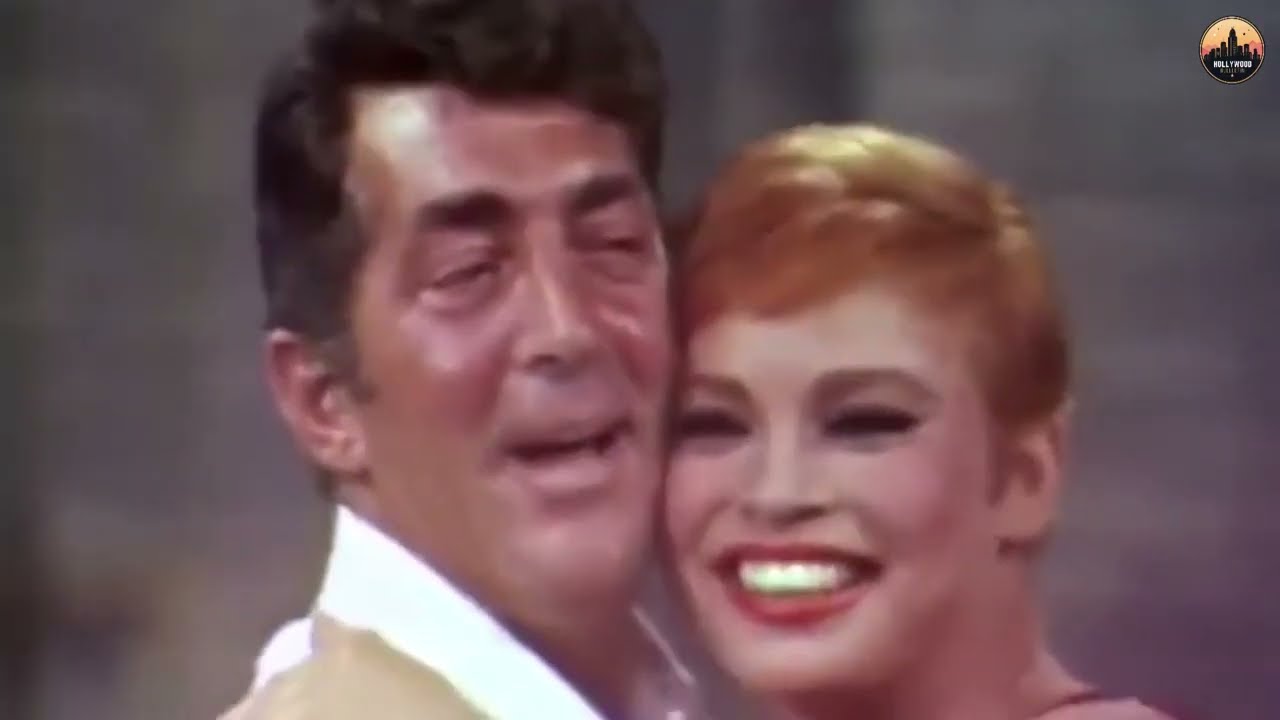
In his twilight years, cancer further isolated Martin as he refused surgery and faded from the public eye. His death on Christmas Day 1995 marked the end of an era. Yet the dimming lights of Las Vegas served as a testament not only to the performer but to a man who bore his pain unseen.
Dean Martin’s legacy endures beyond the spotlight, not simply as an icon of charm and laughter, but as a profound story of concealed sorrow and silent endurance. His life underscores the complexity behind fame—a narrative of grace layered with hidden battles and unspoken losses.