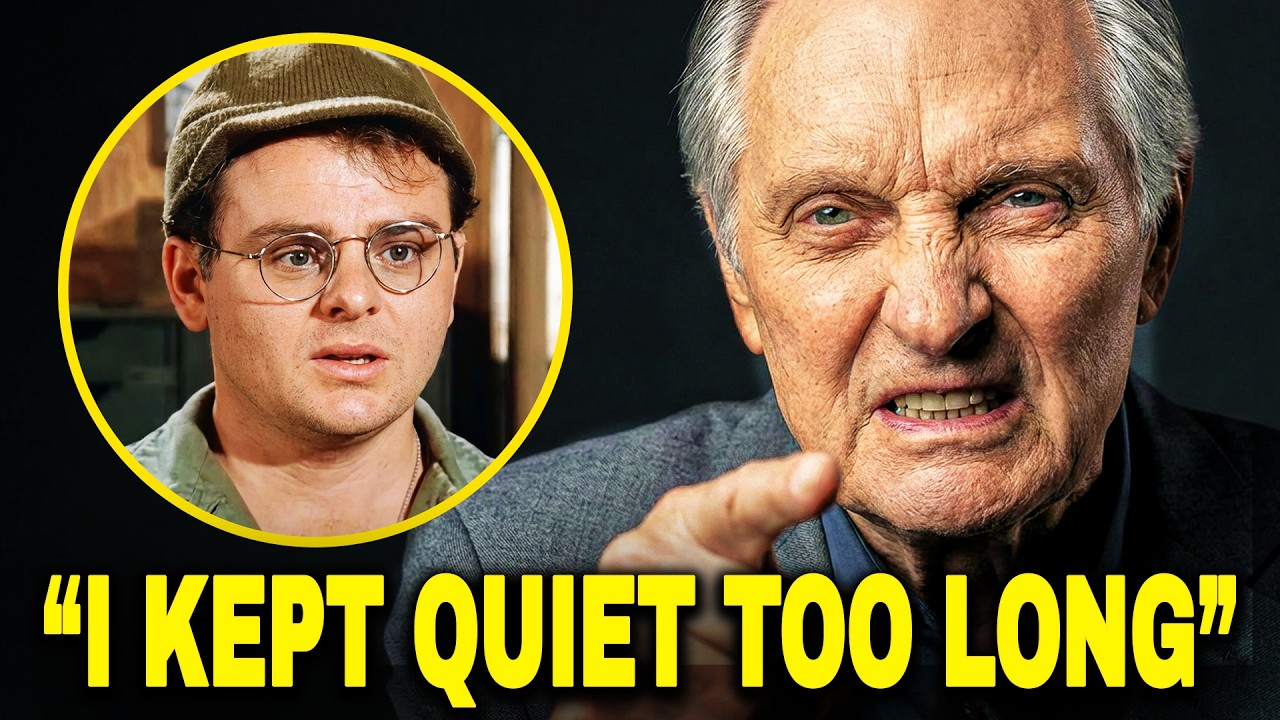
Behind the beloved character of Radar O’Reilly on M*A*S*H lies a complex web of tension and conflict that few fans may be aware of. Gary Burghoff, who portrayed the iconic role, reportedly faced significant challenges with some of his co-stars, leading to a bitter feud that would ultimately shape his experience on the show.
Burghoff’s Radar was the heart of the 4077th, a steady presence amidst the chaos of war. While audiences adored him for his innocence and unwavering loyalty, off-screen, Burghoff’s relationships with his castmates were fraught with friction. As the series progressed, these tensions escalated, culminating in one actor openly admitting he disliked working with Burghoff.
 So, what drove this animosity?
Radar O’Reilly was more than just a character; he was a symbol of emotional resilience. Burghoff brought Radar to life with depth, transforming him from a mere clerk into a vital figure shaped by loss and longing. The character’s backstory—filled with tragedy—mirrored Burghoff’s own struggles, making his portrayal both poignant and relatable.
Yet, this dedication came at a personal cost.
As M*A*S*H evolved, so did Burghoff’s portrayal of Radar. The initial comedic elements of the character began to shift into something darker and more complex, reflecting the harsh realities of war. Burghoff’s commitment to this transformation reportedly strained his personal life, leading him to negotiate for fewer episodes by season five.
 By the time he decided to leave the show in 1979, he was emotionally exhausted.
In a surprising move, Burghoff chose to walk away from a show that was not only wildly successful but also a cultural phenomenon. His departure shocked fans and castmates alike, as he explained that he needed to reconnect with his true self, separate from the character that had consumed him. The decision was not made lightly; it was a profound act of self-preservation.
The dynamics between Burghoff and his co-stars were complicated. His relationship with Alan Alda, who became the creative force of the show, was marked by underlying tension. While both respected each other’s work, Burghoff’s intensity sometimes clashed with Alda’s evolving role as a writer and director, leading to a gradual cooling of their professional rapport.
 Similarly, Burghoff’s interactions with Wayne Rogers, who played Trapper John, were reportedly fraught with conflict. Rogers, feeling sidelined as the show shifted focus, grew increasingly frustrated with Burghoff’s exacting nature. This tension reportedly culminated in a dramatic incident where Rogers allegedly threw a chair at Burghoff during a rehearsal, highlighting the strain that had developed between them.
Despite the challenges, the cast of M*A*S*H managed to create a show that resonated deeply with audiences. However, behind the scenes, the pressure of fame and the demands of a long-running series took their toll. Burghoff’s intensity, while rooted in a desire to protect the integrity of the show, sometimes alienated his colleagues, leading to a reputation that followed him long after he left.
After departing from M*A*S*H, Burghoff’s career took a different trajectory. He appeared on various game shows and made a few acting appearances, but he largely stepped away from the spotlight. Instead, he focused on his passions, including wildlife painting and music, finding fulfillment outside of the acting world.
 Burghoff’s journey serves as a reminder of the complexities behind the scenes of beloved television shows. While Radar O’Reilly taught us the power of gentleness in a brutal world, Gary Burghoff’s story reflects the importance of self-identity and the courage it takes to step away from what defines us.
What do you think about the behind-the-scenes dynamics of M*A*S*H? Share your thoughts below!