Tim Blake Nelson has revealed the astonishing truth behind his iconic role as Buster Scruggs, shattering decades of audience assumptions about his effortless cowboy charm. In a candid confession, Nelson detailed the grueling months of preparation and relentless dedication that forged the authentic gunslinger seen on screen.
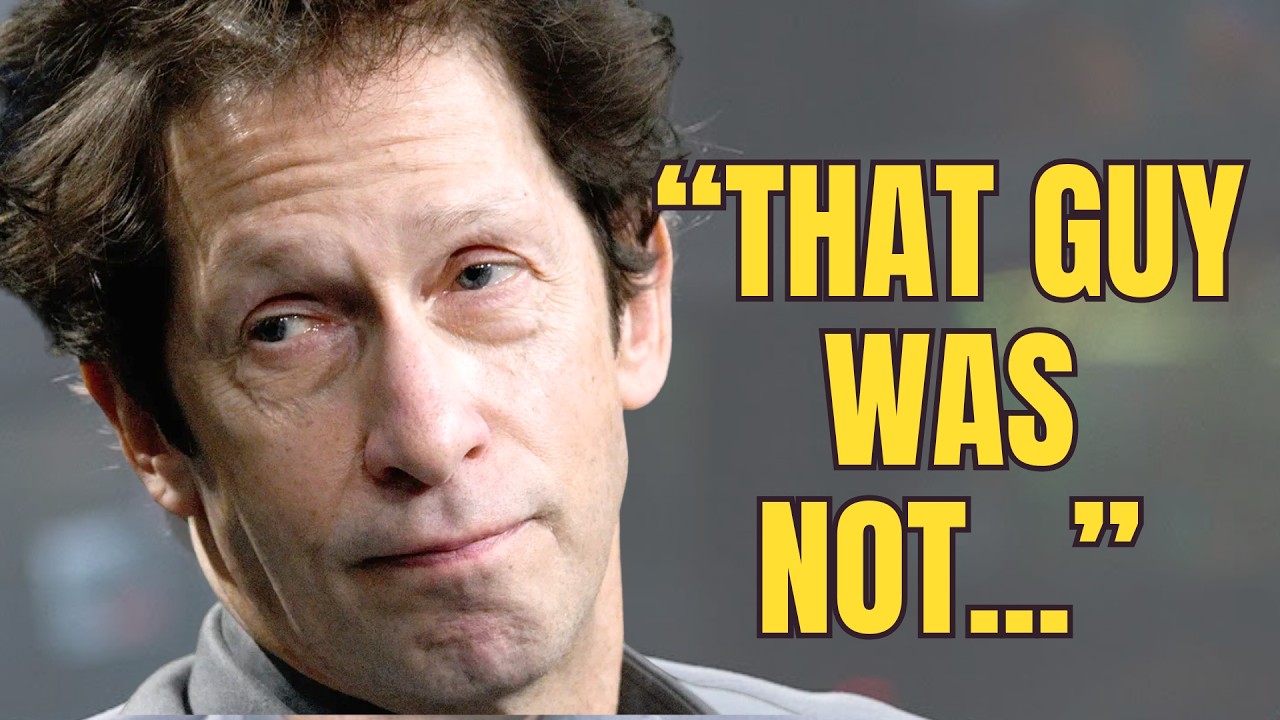
Five months before donning the spotless white attire of Buster Scruggs, Nelson was far from the natural cowboy audiences imagined. Despite an earnest effort, he struggled to master the revolver, horse-riding, and simultaneous singing required by the role, relying heavily on his teenage son’s patient guitar lessons to prepare.

What appeared as innate skill on screen was, in reality, the product of exhaustive rehearsals and unrelenting practice. Nelson’s admission transforms public perception, replacing the myth of spontaneous talent with a narrative of disciplined craftsmanship and vulnerability.
Nelson’s journey to becoming one of cinema’s most convincing western figures traces back to a childhood in Tulsa, Oklahoma, shaped by a rich family history and intellectual rigor. A Brown University classics scholar and Juilliard-educated actor, he initially embraced roles that masked his true depth behind seemingly simple characters.
Early in his career, Nelson’s instinct was to disappear into eccentric parts—from improvised street theater to small film roles—taking a path defined by embracing the “doofus,” the underdog, and the overlooked side character rather than chasing heroism.
His breakthrough came with the Coen brothers and their indelible three-shot in “O Brother, Where Art Thou?” where trust and camaraderie with George Clooney helped elevate his understated presence. This set the stage for his eventual starring role in “The Ballad of Buster Scruggs.”
The Coen brothers’ project, shelved for years, required Nelson to undergo an almost obsessive training regime. Over six months, he honed guitar skills, pistol handling, and horse riding. Despite his discomfort, this rigorous process was anything but natural, challenging everything Nelson thought he knew about acting.
Behind the scenes, the Coen brothers fostered an environment of meticulous control paired with extraordinary creative freedom. Nelson describes it as the most fun he’s ever had on set, a paradoxical atmosphere where risk-taking was encouraged despite the exacting standards demanded.
Buster Scruggs’ effortless charm was a meticulously constructed illusion, borne from Nelson’s commitment to perfecting every gesture, every line, every note. Audiences mistook the crafted performance for innate talent, a misconception Nelson now sets straight with his candid reflections.
His story doesn’t end there. The 2021 film “Old Henry,” in which Nelson portrays a violent past hidden beneath a quiet farmer’s exterior, further unveils the actor’s profound commitment to complex characters. The role demanded physical transformation and months of collaboration to embody a nuanced, reluctant killer.
“Old Henry” is a stark contrast to the showmanship of Buster Scruggs, illustrating Nelson’s range and dedication. The film’s acclaim and critical praise for his performance have reignited conversations about his enduring impact and versatility in Hollywood’s landscape.

Throughout his career, Nelson has quietly defied expectations, choosing roles that challenge stereotypes and often playing the overlooked or underestimated. His distaste for heroism in favor of playing the “guy standing next to the guy” exemplifies his unique approach to storytelling.
This revelation about Nelson’s painstaking preparation pulls back the curtain on an actor whose success is deeply rooted in humility, relentless work ethic, and thoughtful self-doubt, debunking myths about natural-born talent in favor of inspired perseverance.
Tim Blake Nelson’s journey is a powerful reminder that the most memorable performances are often the result of unseen toil—and that true artistry lies in the willingness to appear vulnerable, to unlearn ease, and to embrace struggle in pursuit of authenticity.
As Nelson continues to surprise with transformative portrayals, Hollywood and audiences alike are urged to reconsider the quiet genius behind his seemingly effortless acting, recognizing that every “doofus” he plays contains a fiercely dedicated artist beneath the surface.

This confession fundamentally alters how we understand Nelson’s career and the iconic “Buster Scruggs” role, highlighting a trajectory punctuated by discipline, intellect, and a relentless pursuit of mastery, transforming a playful façade into legendary cinematic virtuosity.
In revealing the hidden hardship behind his celebrated cowboy persona, Nelson not only enriches the narrative of his own career but also offers a profound commentary on the craft of acting itself—a blend of steadfast training, adaptability, and the courage to embrace failure.
As the industry takes notice, Nelson’s story stands as both inspiration and challenge to actors and audiences: the façade of natural talent is often built on years of unseen sacrifice, and true artistry demands more than what meets the eye.
Tim Blake Nelson’s heartfelt confession is the breaking news Hollywood has been waiting for—a candid, timely unmasking of the myth that talent comes easy, instead showcasing the behind-the-scenes grit that birthed one of the Coen brothers’ most beloved performances.
This is more than an actor’s admission; it is a testament to perseverance, humility, and the enduring power of craft—a story destined to reshape how audiences view performances and appreciate the hard-won magic of movie making.


