For decades, Alfred Hitchcock was remembered as one of the greatest filmmakers in cinema history.
The suspense.
The unforgettable visuals.
The psychological depth that changed the way thrillers were made.
But behind the masterpieces was a much more complicated story.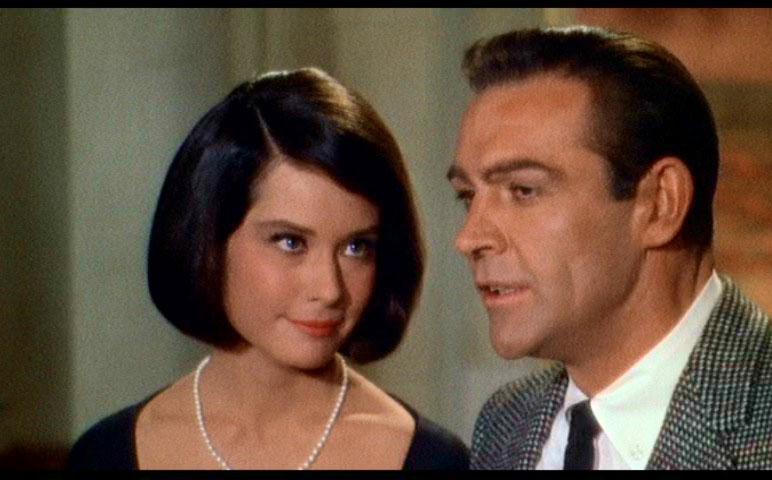
The making of Marnie in 1964 became one of the most debated chapters of Hitchcock’s career, not only because of the film itself, but because of the difficult environment surrounding its production.
Years later, actress Diane Baker reflected on her experience working with Hitchcock and revealed a side of Hollywood’s Golden Age that audiences rarely saw.
A world where legendary directors held enormous power and young actors often had to navigate complicated professional boundaries.
Diane Baker was born in 1938 in Hollywood, California.
Unlike many performers who came from outside the entertainment industry, Baker grew up close to the world of filmmaking.
She was fascinated by movies from an early age and dreamed of becoming an actress.
However, success did not arrive immediately.
Before becoming a recognizable star, she worked ordinary jobs while trying to find her opportunity.
Her breakthrough came when she caught the attention of producer Darryl F. Zanuck at 20th Century Fox.
The studio recognized her potential, and soon she began receiving major opportunities.
Her first major film role came in 1959 with The Diary of Anne Frank.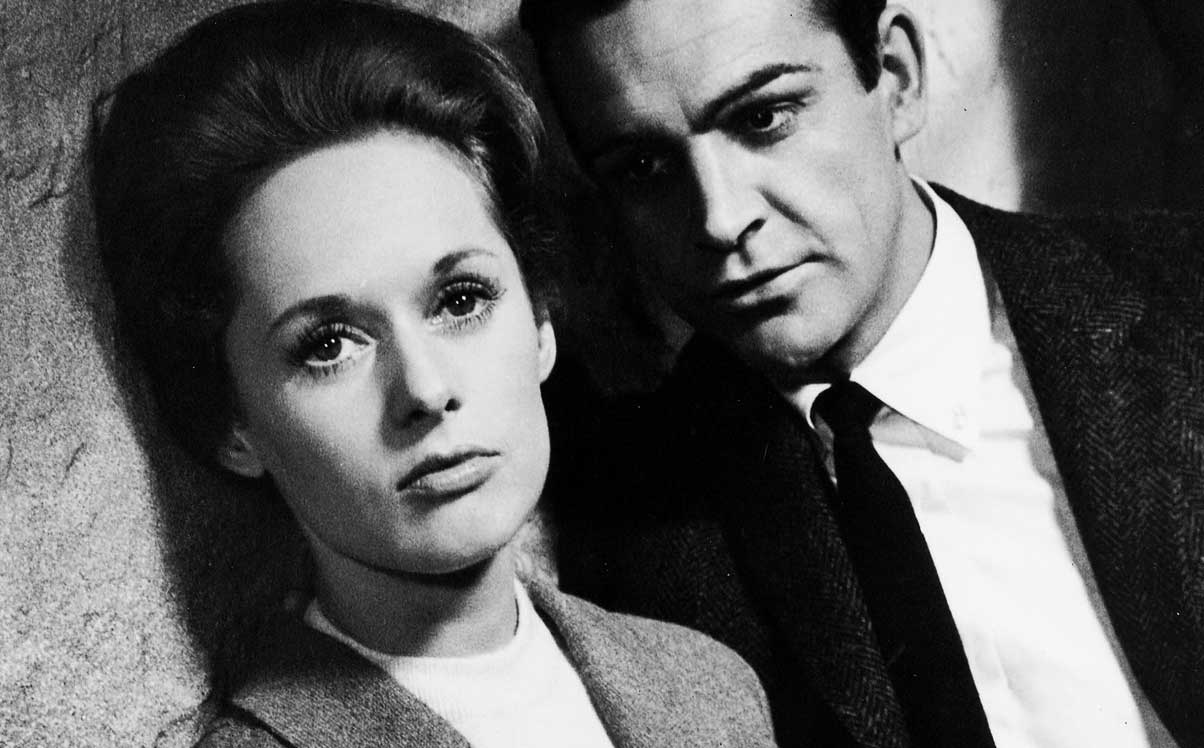
Her performance earned critical praise and helped establish her as one of Hollywood’s promising young actresses.
She continued building her reputation through films such as Journey to the Center of the Earth and The Best of Everything.
By the early 1960s, Diane Baker had become a respected performer working alongside some of the biggest names in the industry.
Then came Marnie.
The 1964 psychological thriller starred Tippi Hedren as Marnie Edgar, a troubled woman whose mysterious past and emotional struggles become central to the story.
Baker played Lil Mainwaring, a supporting role that placed her directly inside one of Hitchcock’s most challenging productions.
At the time, Hitchcock was already considered a master filmmaker.
His name carried enormous influence.
Actors wanted to work with him because his films became classics.
But his directing style was also known for being demanding.
Hitchcock believed strongly in controlling every detail of a production.
 The camera angles.
The performances.
The emotional reactions of his actors.
For some performers, his precision created extraordinary results.
For others, it created discomfort.
The controversy surrounding Marnie became closely connected to Hitchcock’s treatment of Tippi Hedren, who had previously worked with him on The Birds.
Hedren later described a difficult professional relationship involving what she viewed as inappropriate behavior and excessive control from the director.
Those accounts changed how many people looked back at Hitchcock’s working methods.
Diane Baker was not the central figure in that conflict, but she was present during the production and later spoke about the uncomfortable atmosphere surrounding the film.
She described a demanding environment where Hitchcock’s power as a famous director shaped every aspect of the set.
For young actors at the time, challenging a legendary filmmaker was not easy.
Hollywood operated differently.
Directors often had enormous authority.
Studios protected successful figures.
And performers were expected to remain professional even in difficult situations.
Baker’s reflections provide a glimpse into that era—one where artistic achievement often existed alongside complicated personal dynamics.
Despite the challenges of Marnie, Baker continued building an impressive career.
She successfully transitioned between film and television, appearing in popular series such as The Fugitive and The Invaders.
Unlike many actors who struggled to adapt as Hollywood changed, Baker continued evolving.
She later moved into producing, including work on projects such as the television miniseries A Woman of Substance.
Her career became defined not only by performing but also by understanding the industry from multiple perspectives.
In later years, Baker focused heavily on education and mentoring.
At the Academy of Art University, she helped train future generations of actors.
She created programs designed to prepare students for the realities of entertainment—including the emotional challenges of rejection and the importance of resilience.
For Baker, decades in Hollywood taught her that success was not only about talent.
It was also about endurance.
The ability to continue after disappointment.
The ability to learn from difficult experiences.
Looking back at Marnie, Diane Baker’s story represents a larger conversation about Hollywood history.
The Golden Age produced some of the greatest films ever made.
But it was also an era with different standards, different power structures, and different expectations.
Understanding that history means recognizing both sides.
The artistry.
And the human experiences behind it.
Diane Baker’s legacy is not defined only by the controversies surrounding one film.
It is defined by a career that lasted decades, a willingness to adapt, and a commitment to helping others succeed.
She survived an industry known for pressure and uncertainty—and eventually used those experiences to guide the next generation.