At 42, Pastor Zachery Tims’ world shattered silently before the public, culminating in a tragic overdose that stunned his congregation and shook the church community nationwide. Now, decades later, his wife Reva Tims finally breaks her silence, revealing the untold struggles behind her husband’s towering ministry and heartbreaking demise.

Zachery Tims rose from Baltimore’s harsh streets, transforming from a troubled youth battling addiction to a powerful preacher preaching redemption. His story inspired thousands; a living testament to grace’s power. Yet behind the pulpit, a private battle raged, hidden behind magnetic sermons and packed auditoriums.
His ministry exploded in influence, filling rooms and hearts alike with raw honesty and faith. Tims’ brutal transparency about his past fueled hope, making him a beacon for those trapped in addiction’s grip. His messages knocked down walls of shame and despair, converting pain into healing and purpose.
But ministry’s relentless demands cultivated cracks beneath the surface. Friends saw a man weary, haunted by old demons and new pressures. Distance grew in his marriage to Reva Tims, their union strained under the weight of his spiritual and personal burdens, eventually leading to divorce—headlines catching public attention.
In the summer of 2011, Zachery appeared to be staging a comeback. His calendar brimmed with engagements, his voice still captivating millions. However, lurking beneath was a silent war—addiction’s shadow never fully extinguished, creeping back with fatal consequences during a fateful trip to a Manhattan hotel.
His death sent shockwaves through his spiritual community. Officials confirmed accidental overdose by cocaine and heroin, collapsing the facade of victory and forcing harsh reckonings. His tragic end unveiled the raw vulnerability beneath pastoral icons and sparked urgent conversations about hidden pain in faith leadership.
Reva Tims, once expected to take helm of her late husband’s ministry, faced exclusion as church leadership selected another pastor. The community fractured amid lawsuits and public disputes, deepening wounds and splintering the congregation that had found unity under Zachery’s vision.
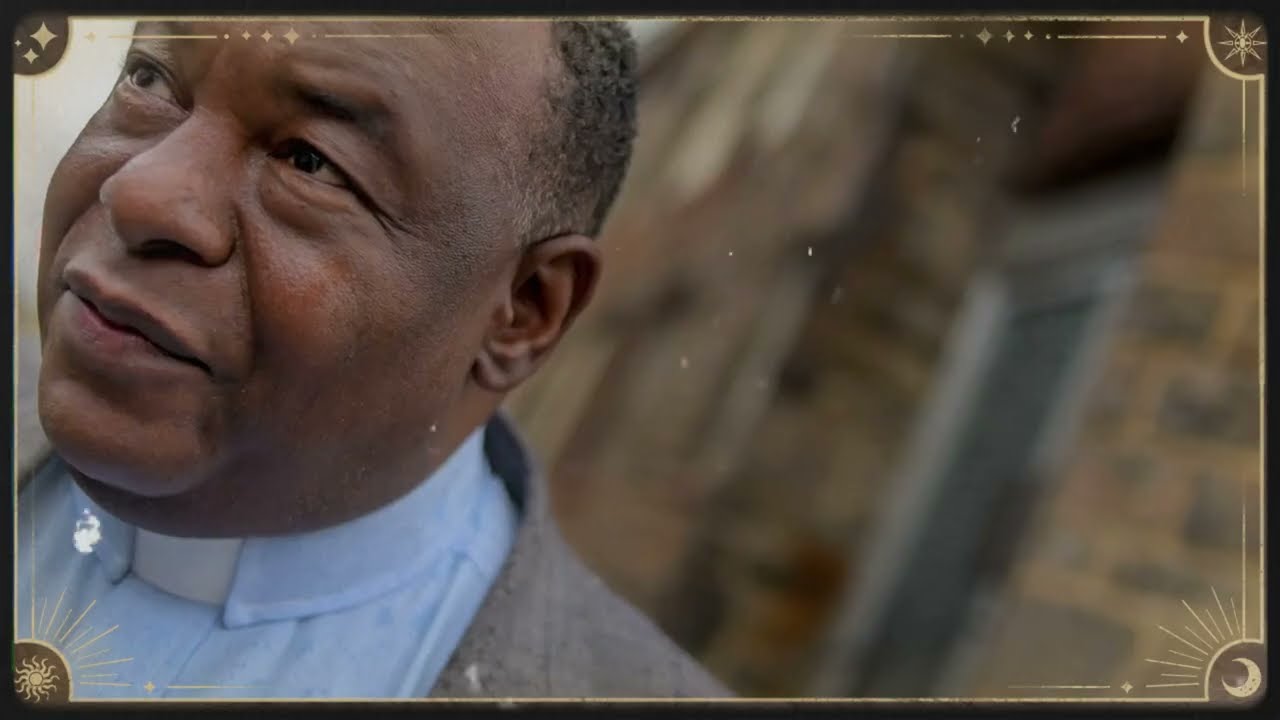
Yet Reva chose a different path—constructing her own ministry rooted in forgiveness and accountability. She speaks candidly about healing spiritual wounds and the cost of ministry, offering a fragile balance often missing from church culture. Her voice adds a crucial chapter to Zachery’s complicated legacy.
Addiction’s merciless nature cuts across all boundaries, regardless of faith or fame. Zachery’s story exposes uncomfortable truths about expectations placed on spiritual leaders. Society demands perfection yet punishes authenticity, compounding isolation and silence that deepen suffering behind closed doors.
Despite his tragic fall, Zachery Tims’ impact endures. Lives were transformed, relationships mended, and hope reignited long after his passing. His rallying cry—that brokenness doesn’t exclude one from God’s purpose—resonates as both confession and grace for flawed humanity in ministry and beyond.
The church he founded lives on, with new faces and leadership, yet the hunger for redemption and connection remains intact. This movement’s survival underscores the truth that no one individual can bear a community’s entire spiritual weight, and grace is both messy and essential.
Zachery’s life journey—from street turmoil to pulpit prominence to a heartbreaking fall—embodies the raw complexity of human experience behind religious icons. His story demands compassion, transparency, and systemic change to support those leading faith communities without forcing them into isolation.
Now, as Reva Tims opens up about pain, forgiveness, and resilience, the church and public alike are called to rethink how they view leadership, struggle, and success. Genuine accountability must replace spectacle, fostering safe spaces where truth is shared before crisis strikes.
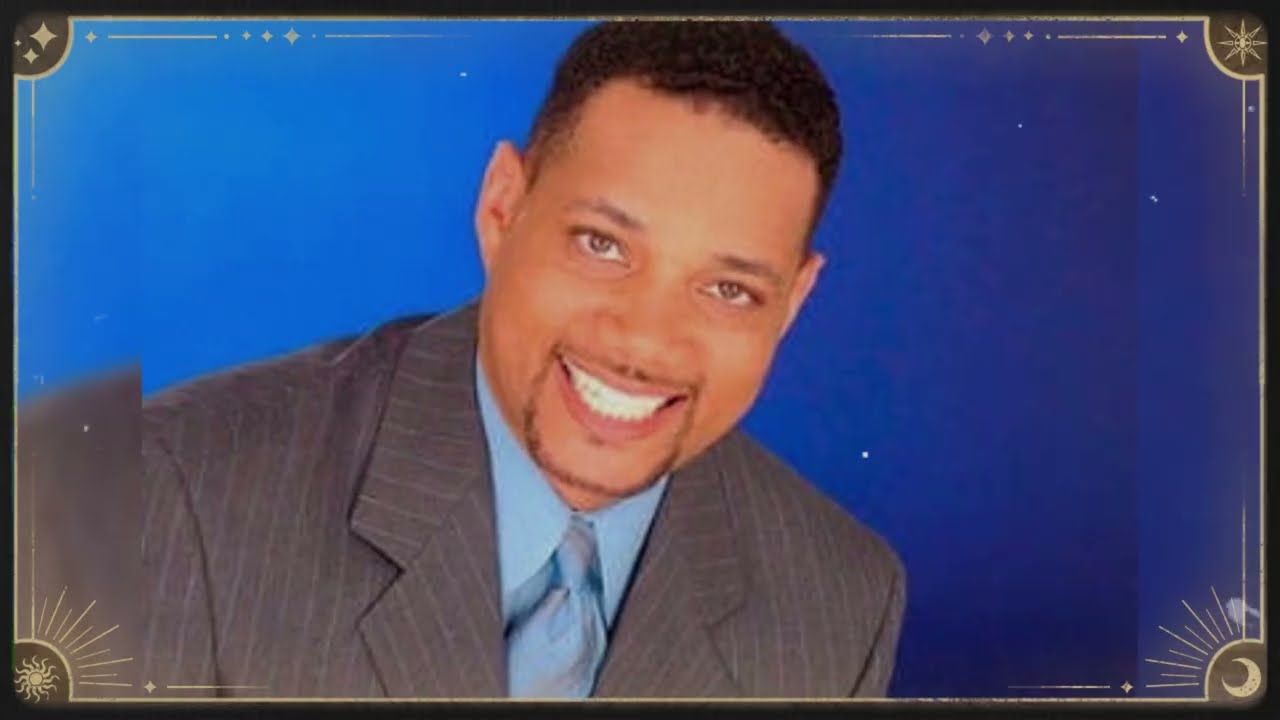
This is more than a pastor’s biography; it is a wake-up call for faith institutions and followers worldwide to embrace vulnerability without stigma. Zachery Tims’ legacy challenges us to hold space for human frailty while continuing to pursue hope and healing beyond brokenness.
The story of Zachery and Reva Tims reveals the complex intersection of faith, addiction, and leadership. It urges an empathetic understanding that leaders, too, carry scars and need support—not just admiration. This honest reckoning is vital to preventing future tragedies in ministry.
In the aftermath of loss, the church stands divided yet striving. The movement Zachery birthed persists, imperfect but determined. His human truths linger as reminders that redemption is ongoing, and no final chapter should erase decades of impact and divine grace.
Today, his widow’s voice breaks decades of silence, urging a kinder, fuller narrative—one embracing all facets of a man who saved many but struggled alone. It’s a call to action: let faith communities foster healing environments for leaders battling unseen wars.
As the conversation unfolds, the public grapples with justice, leadership, and empathy. Zachery Tims’ life and death illuminate the urgent need for reform in how spiritual figures are supported emotionally and spiritually amid immense pressures.
The painful but necessary truth beckons: authentic faith leadership must include grace for failure and strength in vulnerability. Only with this cultural shift can tragedies like Pastor Tims’ be prevented, and genuine healing for leaders and congregations cultivated.
In sharing this fuller story, Reva Tims reclaims the narrative from 𝒔𝒄𝒂𝓃𝒅𝒂𝓁 and sorrow, revealing the multifaceted legacy of a man who was flawed but deeply committed. Her voice is a beacon for change—demanding compassion and honest dialogue in spiritual communities everywhere.
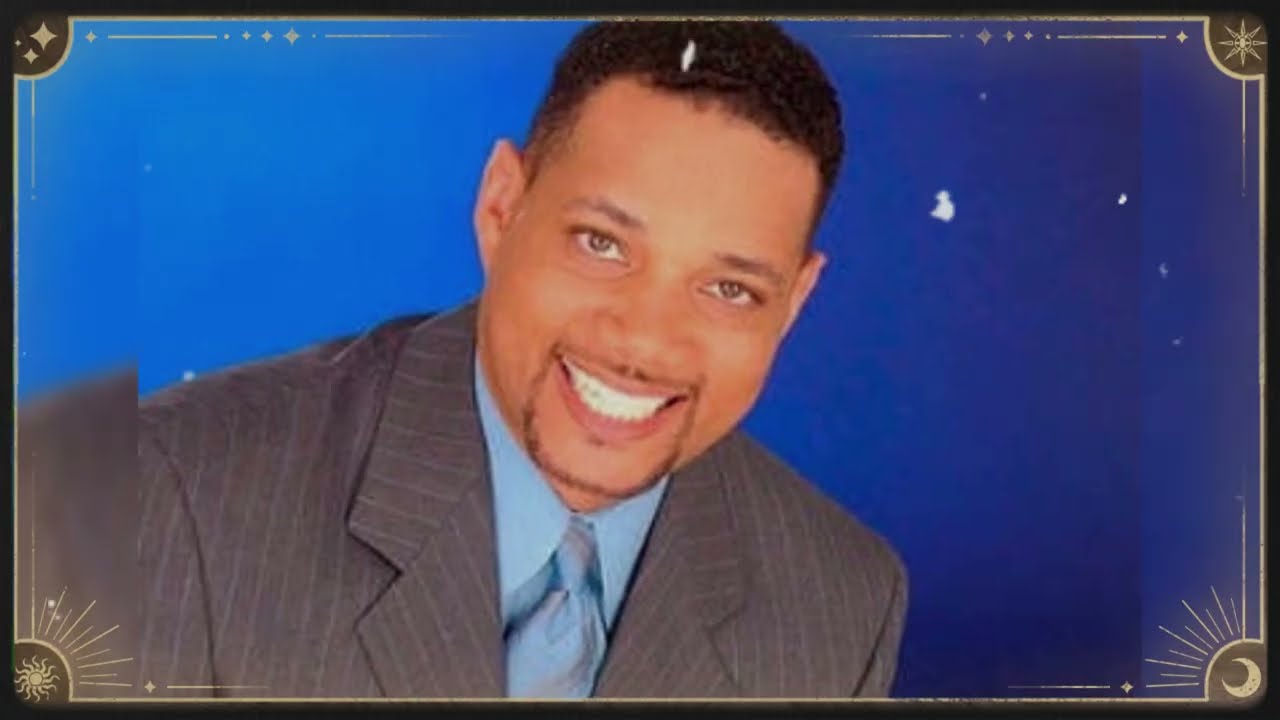
With this breaking revelation, faith organizations face an urgent crossroads. Will they continue molding icons or embrace the humanity behind the megaphone? The answer could redefine ministry’s future, saving lives and restoring hope for leaders and followers alike.
The legacy of Pastor Zachery Tims is a stark reminder—grace is never neat, ministry is never easy, and leaders are first and foremost human. In embracing this complexity lies the pathway to true restoration and enduring spiritual transformation.