Daniel Day-Lewis, long perceived as the epitome of intense, somber acting, shocks with the revelation that unscripted laughter and light-hearted moments deeply punctuated his film sets. This breaking insight dismantles the myth of the brooding star, unveiling a playful, warm man behind characters famed for their sheer gravity.
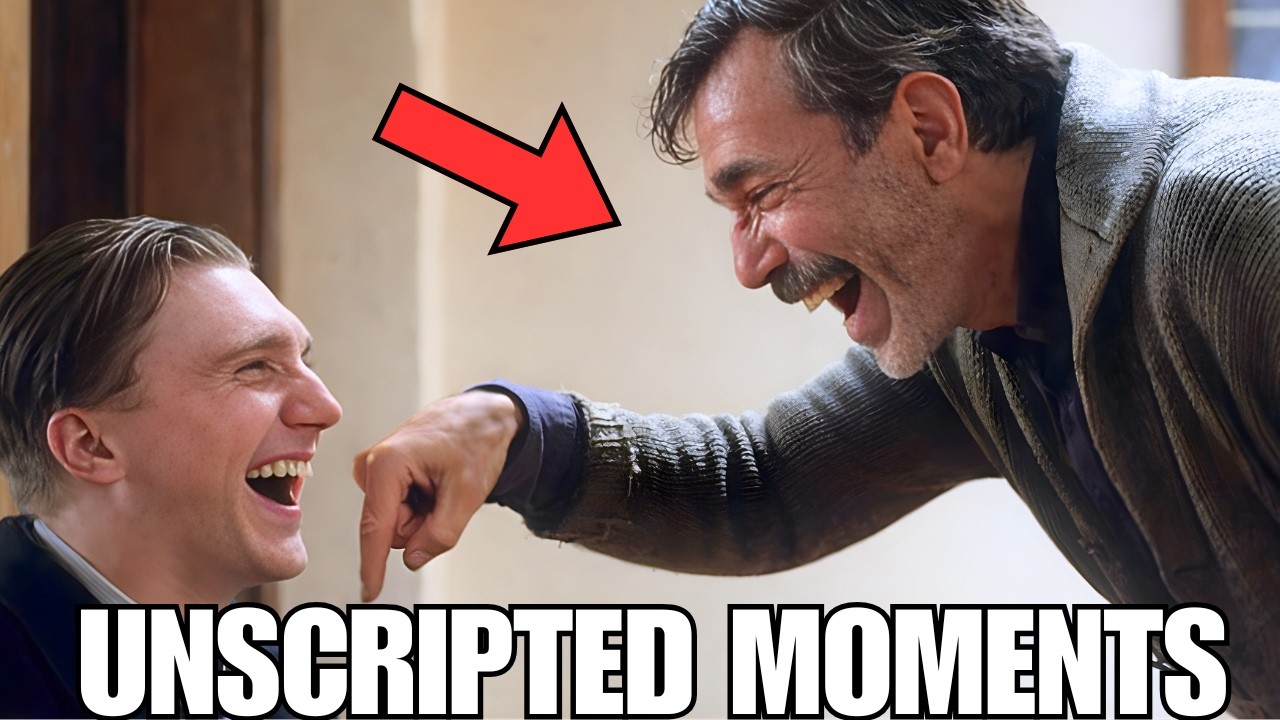
Known globally for his ironclad method acting, Day-Lewis’s legendary dedication often conjures images of silence and severity. Yet directors and co-stars alike recount unexpected scenes of contagious laughter and comic relief emanating directly from him. This contrast between myth and reality reshapes our understanding of the actor’s on-set persona.

His role as Christy Brown in “My Left Foot” showcased extreme physical commitment, breaking two ribs by maintaining a disabled man’s posture relentlessly throughout filming. Despite such taxing intensity, behind-the-scenes moments defied the expected gloom. The spirit of laughter quietly coursed through even his harshest performances.
“Lincoln,” Day-Lewis’s portrayal of Abraham Lincoln, serves as the clearest window into his ironic humor and warm presence. On set, fully immersed as the 16th president, he entertained cast and crew with genuine, period-authentic anecdotes. Lincoln’s famed storytelling ability became alive through Day-Lewis, sparking genuine laughter in a modern film production.
Steven Spielberg noted that not once was Day-Lewis addressed by his own name during filming; everyone called him Mr. President. Yet even in maintaining this rigorous historical character, he injected levity that broke the often heavy atmosphere, transforming breaks into moments of unexpected joy and camaraderie.
Sally Field, who played Mary Todd Lincoln, revealed receiving texts from Day-Lewis written as Lincoln himself. These messages mingled 19th-century language with modern technology, baffling and amusing her in equal measure. This surreal yet heartfelt exchange reflects Day-Lewis’s quirky, elaborate embrace of his roles beyond the camera.
Director Paul Thomas Anderson, who helmed Day-Lewis in “There Will Be Blood” and “Phantom Thread,” offered contrasting portraits of the actor’s set demeanor. While the former was intense and brooding, the latter revealed Day-Lewis’s razor-sharp wit and humor, integral to the character Reynolds Woodcock’s crafting and to the actor himself.
Anderson’s description of Day-Lewis as one of the funniest people he’s ever met upends standard narratives. Far from a solemn artist, Day-Lewis’s humor is dry, incisive, and self-aware, traits directly infused into his performances that balance darkness with a distinctive comedic edge.
On the brutal “Gangs of New York” set, Day-Lewis’s dedication verged on extreme. He stayed fully in character as Bill the Butcher, adopting the 19th-century accent and mannerisms relentlessly, even in casual conversations. The crew found humor not despite but because of his total immersion and seriousness in odd moments.
The tale of Day-Lewis contracting pneumonia rather than breaking character by wearing a modern coat speaks volumes about his commitment. Martin Scorsese had to personally convince him to accept medical treatment, demonstrating the combination of stubbornness, discipline, and humor that characterizes his legendary working methods.
Perhaps most surprising is Day-Lewis’s mid-career retreat into artisanal shoemaking in Florence, Italy, away from the spotlight and glitz. This period of intense craft and quiet refocusing humanizes the actor, revealing a man who values depth, tradition, and grounded pursuits beyond the cinematic mythos surrounding him.
The contrast between Daniel Day-Lewis’s public legend and his private reality sharpens with each anecdote of laughter and warmth. Despite the intensive isolation of his transformative roles, those who have worked with him confirm a presence filled with dry wit and an ability to find humor in the gravest circumstances.
During his acceptance speech for his third Oscar, Day-Lewis made a self-deprecating joke swapping roles with Meryl Streep—another sign of his humorous rapport with fame and perception. This moment captured the essence of a man who embraces his image with a knowing, playful detachment rarely visible to the public.

The enduring takeaway from these revelations is that Day-Lewis’s legendary intensity coexists with an irrepressible playfulness. His craft demands absolute dedication, but beneath the weight lies a personality that diffuses tension with warmth, laughter, and an acute sense of the absurdities underlying serious artistry.
As the legend continues to grow, so must the recognition that the man behind iconic performances is as much a master of humor and lightheartedness as he is of profound dramatic transformation. Daniel Day-Lewis’s laughter, it turns out, was there all along—quiet, unscripted, and utterly essential.