For decades, Charles Bronson represented one thing to movie audiences.
Strength.
Silence.
A man who could walk into danger without fear.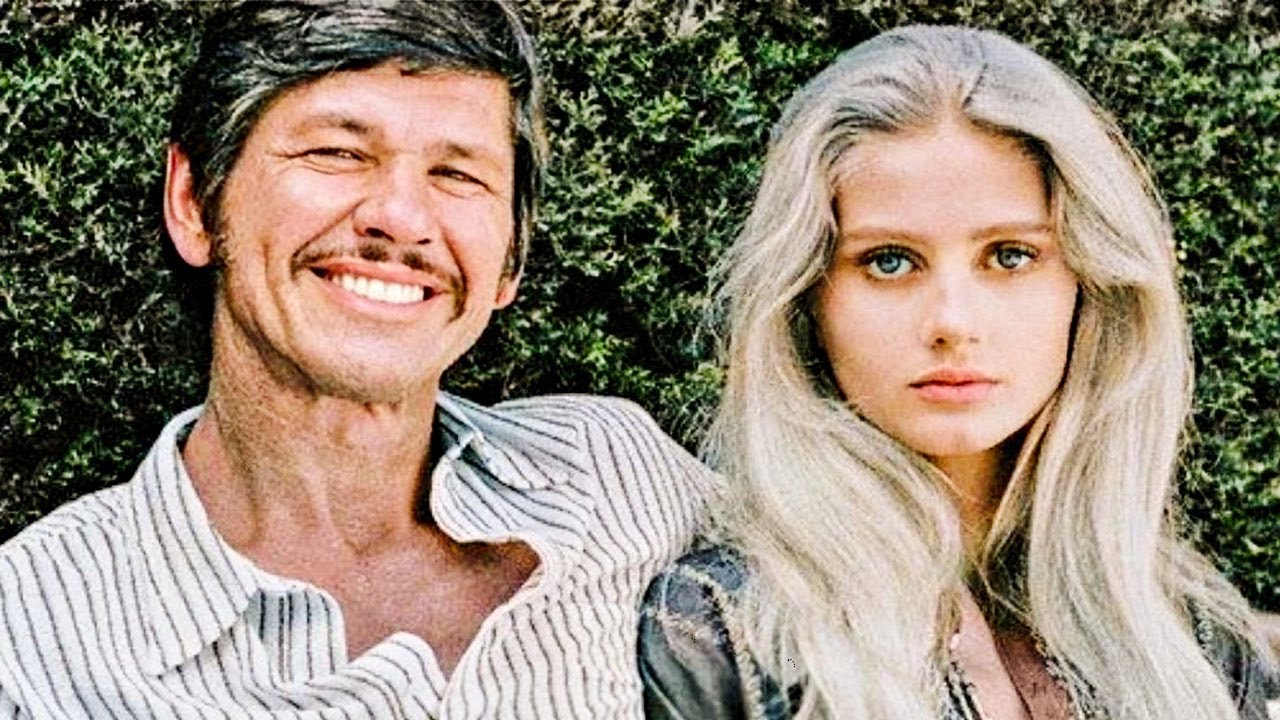
He became one of Hollywood’s most recognizable tough-guy actors, famous for playing characters who rarely smiled, rarely spoke, and always seemed impossible to defeat.
But behind the cold stare and intimidating presence was a much more complicated person.
A loving father.
A devoted husband.
And a private man who carried fears and emotions that audiences never saw.
Years after his rise to fame, his daughter Zuleika Bronson shared a different picture of the man behind the legend.
Not the action hero.
Not the revenge character.
But the father she knew at home.
Charles Dennis Buchinsky was born in 1921 in Ehrenfeld, Pennsylvania, into a family of Lithuanian immigrants.
His childhood was nothing like the glamorous world of Hollywood.
The family lived in extreme poverty.
His father worked as a coal miner, and after his death, young Charles was forced to help support the family.
He even worked in the same coal mines where his father had spent much of his life.
Those early years shaped the personality that would later define him.
Hard work.
Discipline.
A refusal to complain.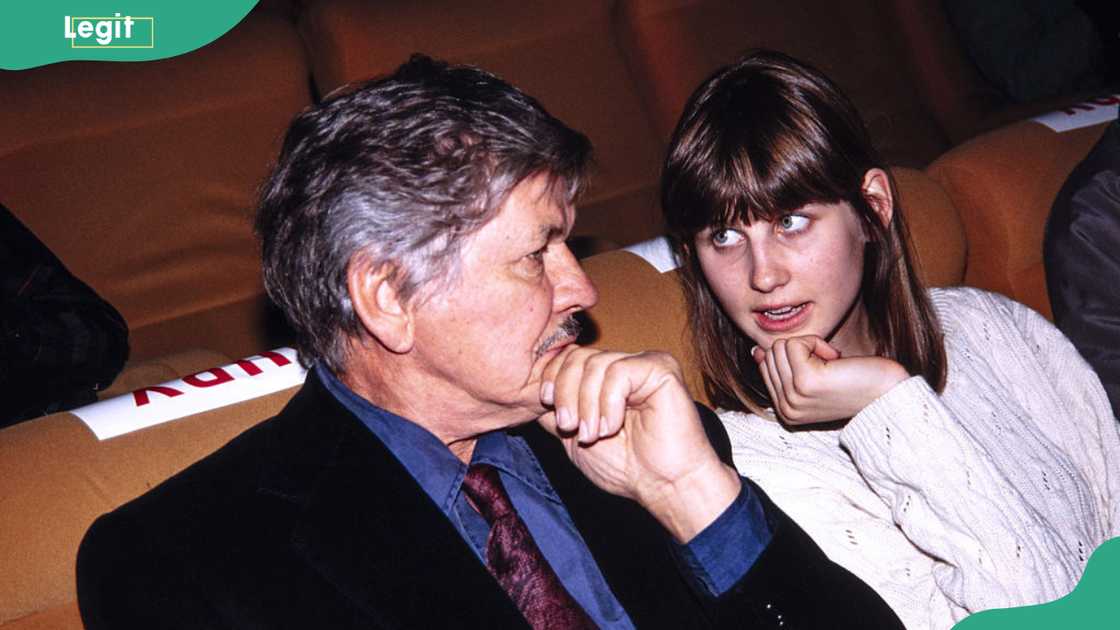
Bronson grew up understanding struggle long before he became famous.
During World War II, he served in the United States Army Air Forces, flying missions as part of the war effort.
After returning home, he discovered a new passion almost by accident.
Acting.
While working behind the scenes painting theater sets in Atlantic City, he became interested in performing.
Eventually, he began studying acting and moved toward a completely different future.
Hollywood, however, did not immediately welcome him.
His early career was filled with small roles.
He appeared in Westerns, crime films, and television programs, slowly building a reputation as a reliable character actor.
During the 1950s, he changed his name from Charles Buchinsky to Charles Bronson.
The decision came during a period of intense anti-communist fear in Hollywood, when many performers with Eastern European names worried about how they would be perceived.
The new name helped create the image that would eventually become famous.
But success was still a long journey.
Bronson worked for years before becoming a true international star.
His breakthrough came through films such as The Magnificent Seven and The Great Escape.
Audiences noticed his quiet intensity.
He did not need long speeches.
His presence alone commanded attention.
But his biggest transformation came later.
In 1974, at the age of 53, Charles Bronson became a major Hollywood superstar with Death Wish.
The film turned him into the ultimate revenge-action hero.
The character of Paul Kersey became one of the defining roles of his career.
Suddenly, the actor who had spent decades working in the background was one of the biggest names in action cinema.
But the public image was only one part of Charles Bronson.
At home, he was very different.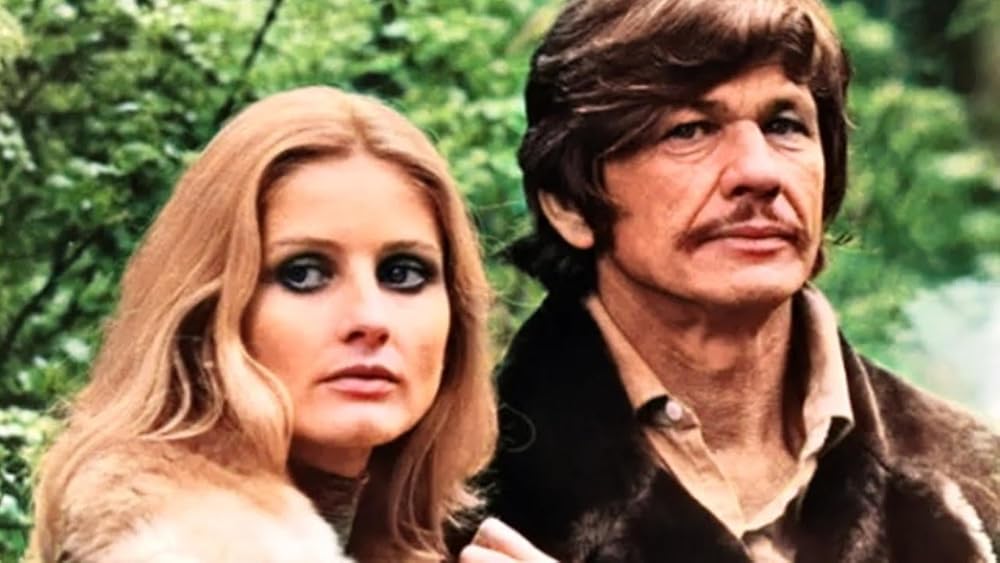
His family described him as protective, affectionate, and deeply loyal.
He was first married to Harriet Tendler, whom he met before becoming famous.
Later, he married actress Jill Ireland.
Their relationship became one of the most important parts of his life.
Bronson and Ireland worked together on many films and developed a partnership that extended beyond Hollywood.
They supported each other through professional challenges and personal hardships.
When Ireland was diagnosed with breast cancer, Bronson remained by her side throughout her illness.
Her death in 1990 was one of the greatest losses of his life.
The man audiences knew as emotionless and unbreakable was privately experiencing deep grief.
Behind the tough exterior was someone who loved intensely.
Bronson was also a person with unexpected interests and private anxieties.
Away from cameras, he enjoyed painting and valued quiet time away from Hollywood.
Those close to him also revealed that he had personal fears, including concerns about germs and fire.
These details showed a side of him that was completely different from the fearless characters he portrayed.
The man who played unstoppable heroes was not without vulnerability.
That contrast is what made him human.
For his daughter Zuleika, Charles Bronson was not the intimidating figure seen on movie posters.
He was simply her father.
Someone who cared deeply about his family.
Someone who wanted to protect the people he loved.
Someone whose public reputation often hid his softer personality.
She remembered a man who valued family above fame.
Despite becoming an international star, Bronson did not chase celebrity attention.
He preferred privacy.
He avoided unnecessary publicity.
And he focused on the people closest to him.
Charles Bronson passed away in 2003 at the age of 81.
The world remembered the action hero.
The legendary tough guy.
The actor who became a symbol of strength.
But those who knew him remembered something more.
A man who survived poverty.
A man who built himself from nothing.
A man who experienced enormous success but never forgot where he came from.
The greatest secret about Charles Bronson was not that he was tougher than everyone thought.
It was that behind the tough-guy image was a deeply emotional person who cared more about love and family than fame.