In the picturesque world of “Death in Paradise,” where the sun-drenched beaches and vibrant sunsets create an idyllic backdrop, one question looms large: why do all the detectives eventually leave the island? Each detective’s journey is as captivating as the mysteries they solve, yet the paradise they once cherished becomes a place of transformation and departure.
The show has long captivated audiences with its charming Caribbean setting and the delightful formula of a new murder mystery each week. However, beneath the surface of this cozy crime 𝒹𝓇𝒶𝓂𝒶 lies a deeper narrative—a cycle of personal growth and emotional evolution that compels each detective to leave Saint Marie, often before they are ready.
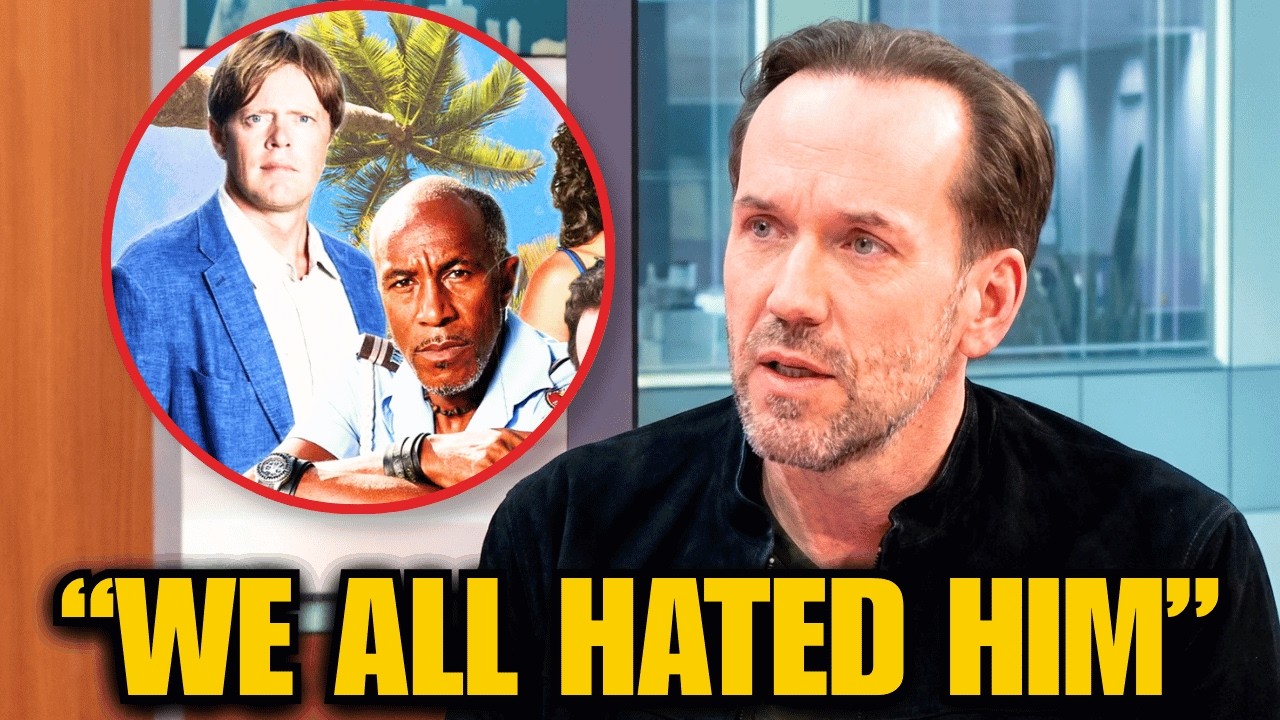 From Richard Poole, who was initially out of place in the tropical paradise, to Neville Parker, who faced his fears and anxieties, each character arrives with their own flaws. Richard, portrayed by Ben Miller, was the quintessential British detective, ill-suited for the heat and chaos of island life. His rigid demeanor and discomfort with paradise made him a brilliant yet tragic figure, ultimately leading to his 𝓈𝒽𝓸𝒸𝓀𝒾𝓃𝑔 demise in the third season—a move that left fans reeling but also set the stage for the series’ evolution.
Humphrey Goodman, played by Chris Marshall, stepped into the role after Richard’s death, bringing warmth and vulnerability. His journey of self-discovery amidst personal chaos resonated with viewers, proving that the show could thrive even after such a significant loss. Yet, even he eventually left, suggesting that the island’s lessons were meant to be temporary.
Jack Mooney, portrayed by Ardal O’Hanlon, brought a paternal warmth to the series, masking his own grief with humor and charm. His departure was a poignant reminder that healing is a journey, and sometimes, leaving is necessary to fully embrace life again. Each detective’s exit is not merely a plot device; it reflects a deeper understanding of their character arcs and the emotional weight they carry.
 Neville Parker, played by Ralf Little, became the longest-serving detective, undergoing a remarkable transformation. His struggles with anxiety and discomfort in paradise became a powerful narrative thread, culminating in his departure when he finally learned to embrace life beyond the island. His exit marked a significant moment for the series, showcasing that growth often comes with the courage to leave what is familiar.
Now, with Don Gilet stepping in as Mervyn Wilson, the show continues to explore this cycle of change. Mervyn’s arrival signals a new chapter, as he brings a unique blend of defensiveness and emotional complexity to the role. The island remains a character in its own right, teaching each detective invaluable lessons about themselves.
 The question remains: why do these detectives keep leaving the island? The answer lies in the delicate balance between comfort and growth. Each detective’s journey is a reflection of their internal struggles, and once they find their footing, the island has done its job.
Saint Marie is not just a picturesque backdrop; it is a transformative space that challenges and reshapes those who inhabit it.
 As the series continues to evolve, fans are left wondering what lies ahead for Mervyn and how he will navigate the complexities of life on the island. Will he too succumb to the allure of paradise, or will he find a way to remain grounded?