Rock Hudson, the iconic Hollywood star known for his charm and strength, met a tragic and isolated end, hidden behind layers of secrecy and fear. His life and marriage masked a devastating personal truth that only emerged late, revealing the heartbreaking cost of fame and silence in a ruthless industry.
Rock Hudson, born Roy Harold Shearer Jr. in 1925, entered Hollywood as a symbol of perfect masculinity, concealing deep internal struggles. His early life in Wanka, Illinois, was scarred by economic hardship and family abandonment, shaping a childhood defined by emotional suppression and social isolation.
Struggling with a stutter and perpetual insecurity, Roy found solace only in film icons like Cary Grant and Clark Gable, whose confident personas he aspired to emulate. His transformation into Rock Hudson was not merely a name change but a complete reinvention, forcibly crafted by Hollywood’s strict studios.
He was rigorously trained to eliminate weaknesses: his stutter was suppressed, his voice deepened, and any sign of vulnerability erased. Rock Hudson became a flawless icon of strength and control, yet behind closed doors, he wrestled with secrecy and fear, never free to live authentically.

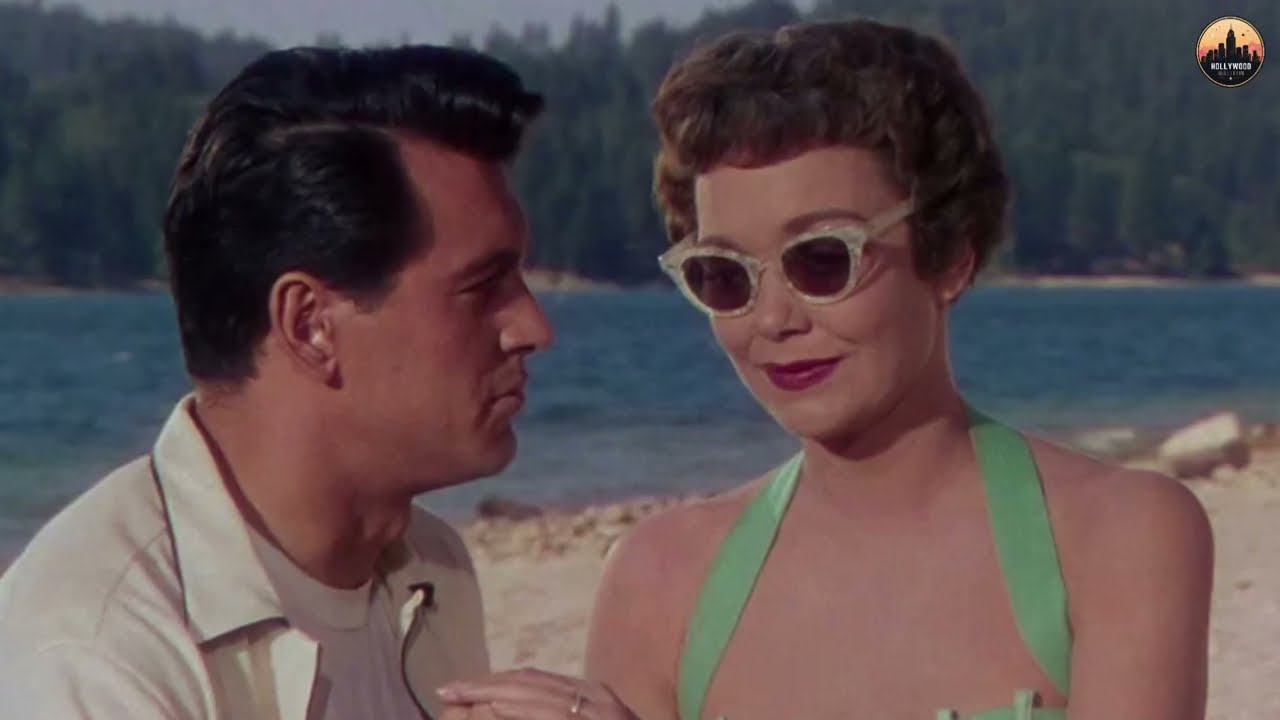
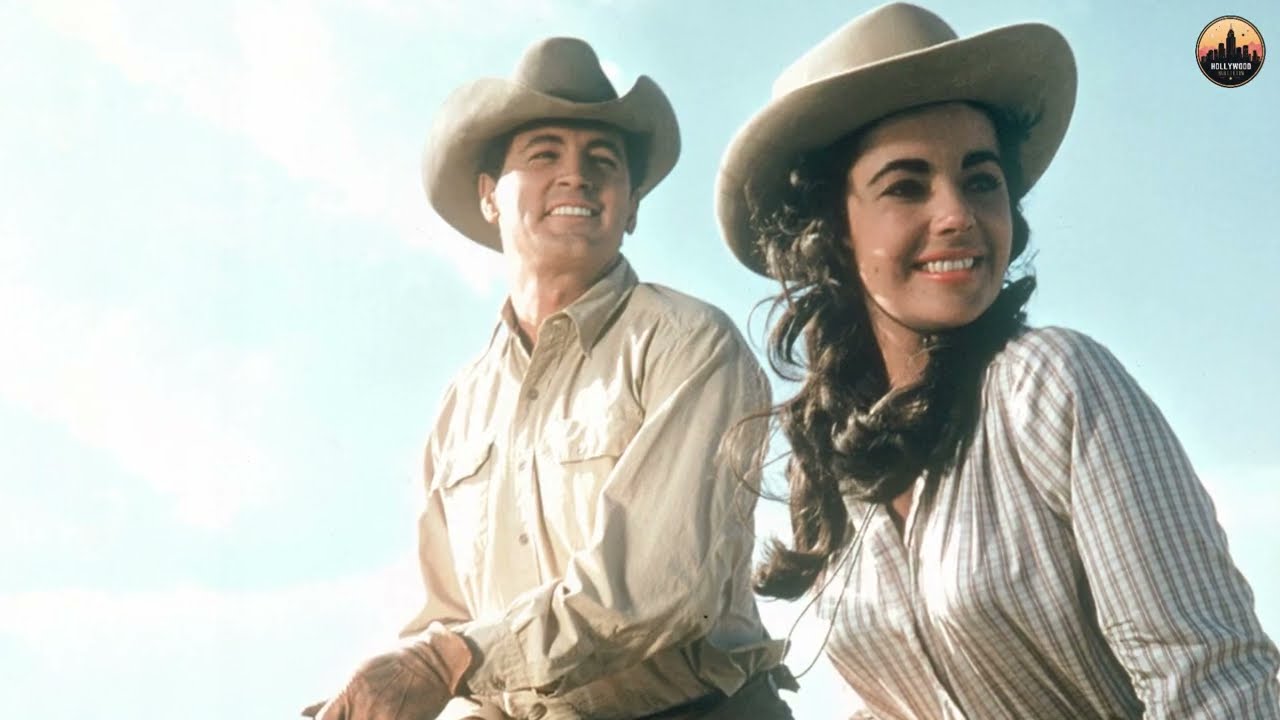
By the mid-1950s, Hudson was a leading man of undeniable allure, starring in emotional dramas and romantic hits that masked his profound personal isolation. His on-screen romances were a stark contrast to his private reality, a man living in constant concealment amid Hollywood’s ruthless scrutiny.
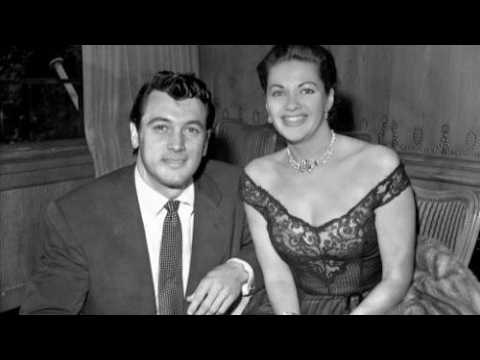
The 1955 marriage to his secretary, Phyllis Gates, was a strategic move to quell rumors about his sexuality. This union was a façade, a carefully manufactured illusion that collapsed quietly. Real love, for Hudson, existed only in secret relationships that carried the heavy burden of invisibility.
Hudson’s private life remained tightly guarded until the early 1980s when his health deteriorated. His diagnosis with AIDS shattered the impeccable image that had been meticulously maintained for decades, exposing a terrifying reality at a time when the disease was poorly understood and heavily stigmatized.
His public appearance on the TV show Dynasty, including a rare on-screen kiss, turned into a lightning rod for public fear and prejudice, exposing deep societal taboos. Hudson became a symbol not just of Hollywood glamour but also of the devastating human cost of hidden truths.
He passed away on October 2, 1985, his death marking the end of a life defined by both legendary success and profound tragedy. His funeral, subdued and private, echoed the life he had led—controlled, silent, and isolated from the freedom he never fully attained.
Elizabeth Taylor and a few close friends mourned Hudson deeply, while much of the world grappled with the implications of his illness and legacy. His story ignited conversations around AIDS and the marginalization of gay men, forever altering the cultural narrative surrounding Hollywood and illness.
Rock Hudson’s life is a stark reminder of the personal toll behind Hollywood’s glamor. His story lays bare the relentless pressure to conform and the devastating consequences of living a life hidden behind a mask of perfection and denial.
This tragic end urges a reconsideration of the costs imposed by fame and the silence that can obscure human truth. Hudson’s legacy is not only his films but a poignant testament to courage, secrecy, and the urgent need for acceptance and honesty in all facets of life.