Enya, the ethereal voice behind over 80 million album sales, has vanished from the public eye for deeply personal reasons rooted in loss, fear, and an unyielding quest for privacy. Her rare withdrawal reveals a poignant saga of control, trauma, and a haunting isolation few imagined behind her mystical sound.
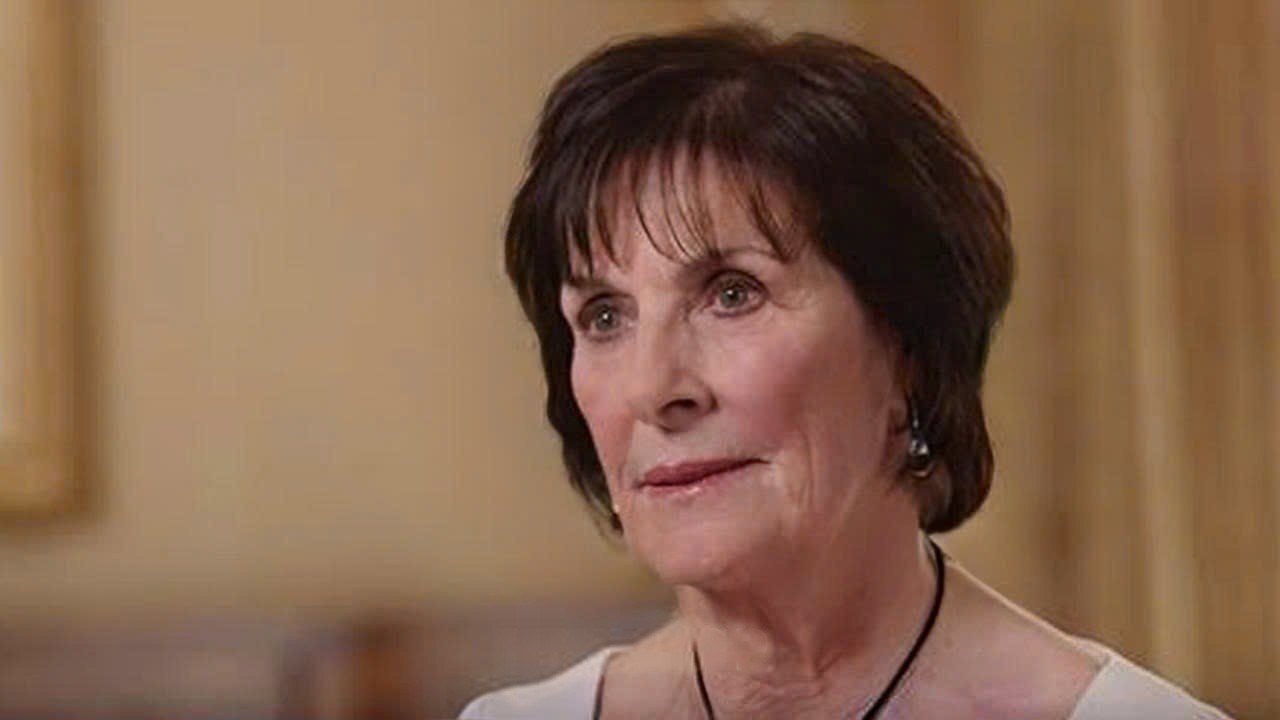
From the remote Irish coast to global stardom, Enya’s journey was never about fame’s spotlight. Born Eithne Ní Bhraonáin in a boisterous family of musicians, she quietly absorbed music amidst the crashing waves of Guidedor. While her siblings sought the stage, she retreated into silence, mastering meticulous piano practices and honing an unparalleled vocal precision.
Unlike most artists who crave public attention, Enya’s defining characteristic was her deliberate invisibility. Even as a child, she preferred to observe rather than compete, crafting an identity steeped in mystery. This innate reticence would forever shape her approach to music and fame, setting her apart in an industry driven by exposure.
Her early years were a crucible of discipline and isolation. Young Enya’s relentless practice sessions contrasted sharply with the carefree play of her siblings. This exacting dedication would later manifest in her signature sound—layers upon layers of vocals creating an otherworldly atmosphere that defied conventional pop formulas.
Political tensions in Ireland compounded her cautious demeanor. Speaking Irish marked her as different, intensifying her instinct to remain guarded. Sent away to boarding school at eleven, she embraced solitude and independence—traits that became instrumental when she eventually wrested control of her artistic destiny from family expectations and band dynamics.
As she joined Clanad, her family’s celebrated group, Enya found herself confined by roles and creative limitations. Backing vocals and keyboards were her contributions, but leadership belonged to others. The atmosphere was stifling for an artist whose primary desire was autonomy. This realizaton set the stage for a seismic personal and professional rupture.

Recognizing her unique potential, managers Nikki and Roma Ryan encouraged Enya to break free. Her departure from Clanad was fraught with emotional turmoil—not just a career shift but striking out from family roots. Rumors of manipulation surfaced, yet Enya asserted the move was her own, underscoring her unyielding pursuit of control over her music.
Launching a solo career was a gamble steeped in uncertainty. Partnering closely with the Ryans, Enya pioneered a closed, meticulous creative process, layering dozens of vocal tracks herself and intertwining mythology and abstract lyricism. The result was a sonic realm utterly unlike anything else on radio waves, captivating millions without chasing trends or crowds.
Her contract with Warner Brothers shattered norms. Enya demanded unprecedented freedoms: years between records, minimal promotional obligations, and rare public appearances. This radical avoidance of the limelight was not marketing savvy but a natural extension of a woman who had always preferred absence, relying on artistry not visibility to captivate audiences worldwide.

When “Watermark” exploded onto the scene, Enya’s haunting “Orinoco Flow” became iconic without the trappings of fame. Sales skyrocketed, yet she remained an enigma—never touring, seldom interviewed. The music transcended the artist, creating an immense cultural impact while preserving her sanctum of privacy, a rarity in celebrity culture.
However, increasing fame triggered profound tension. The public craved access to the woman behind the voice, but Enya fiercely guarded her personal domain. Privacy was more than preference—it was survival. Threats from stalkers and violent home invasions shattered any illusion of safety, transforming her secluded Victorian castle into a fortress against unwanted intrusion.
Enya’s life behind closed gates grew increasingly isolated. Renaming her estate Manderly Castle, she reinforced security measures that spoke to deep-seated fears borne from real trauma. The haunting reality of fame’s dark side cast long shadows, compelling her to withdraw even further from the world she once briefly touched with her music.
Her personal life reflected this guarded nature. Remaining unmarried and childless by choice, Enya expressed fears that relationships would be compromised by her public persona. This protective barrier guarded against exploitation, ensuring her humanity was not distorted by the trappings of celebrity but lived on her own resolute terms.
Beneath the artistic brilliance lay struggles rarely revealed. Periods of depression surfaced, fueled by the isolating demands of her methodical music creation and relentless self-expectation. A near-fatal car accident further challenged her resilience, underscoring that even those who shun the spotlight are vulnerable to life’s unpredictable upheavals.
The losses hit with brutal force. Early family tragedies left permanent imprints, yet recent deaths of her brother Leyon and long-time collaborator Nikki Ryan delivered seismic blows. Leyon, a close confidant and tour manager, and Nikki, co-architect of her sound, symbolized the irreplaceable pillars beneath her career and personal existence.

In response, Enya retreated deeper into silence. Unlike others who turn grief into public spectacle or creative reinvention, she chose privacy, declining interviews or tributes. Her diminished visibility fueled speculation but preserved the mystique that had long defined her. Despite silence, her music endured, timeless and influential across generations.
Her legacy defies the rules of fame. In an era obsessed with presence and reinvention, Enya showed that absence could amplify impact. Her refusal to conform created an enduring body of work that continues to inspire artists worldwide, proving that authentic artistry transcends the relentless glare of celebrity culture.
This break from the spotlight was not surrender but sovereignty. Enya’s life, shaped by choice and circumstance, is a testament to the power of privacy amid public adulation. While fans may yearn for glimpses behind the veil, her story commands respect for a woman who dared to let music speak while she remained unseen.
The question remains: should Enya have opened up more, or did she preserve something more precious by stepping away? Her extraordinary silence speaks volumes, challenging norms about fame, control, and the human cost hidden behind beautiful melodies heard but rarely seen.
This is the untold saga of Enya—mystic, recluse, musical pioneer—whose absence from public life is as compelling as the haunting soundscapes she created. Her choices reflect more than withdrawal; they reveal a nuanced survival amid the often brutal demands of global superstardom.