Ron Howard, the beloved director known for his charming films, has finally opened up about the darker side of his Hollywood journey, revealing a cautionary tale that contrasts sharply with the inspiring narratives often associated with his work. Behind the glitz and glamour lies a story filled with struggles, bullying, and personal sacrifices that shaped his career.
Born in 1954 in Duncan, Oklahoma, Ron’s family faced financial hardships that prompted a bold move to Hollywood in 1958, seeking better opportunities. This risky decision led them to a modest home in Burbank, where Ron was surrounded by the world of entertainment from an early age. His acting debut came at just 18 months, but his parents were determined to shield him from the harsh realities of child stardom, enforcing a strict rule against full-time acting until he turned five.
 Despite their best efforts, Ron’s early experiences on set were anything but glamorous. After landing his first credited role in the 1959 film “The Journey,” he faced cruel teasing from crew members, which left a lasting impact on his young heart. His father, actor Rance Howard, had to confront the bullies, risking his own job to protect his son.
By 1960, Ron became a household name as Opie Taylor on “The Andy Griffith Show,” a role that brought fame but also intense pressure. He had to navigate the demands of memorizing long scripts and meeting tight schedules while maintaining a semblance of childhood innocence. Although he formed a close bond with Andy Griffith, he also witnessed the struggles of his mentor, who battled alcoholism behind the scenes.
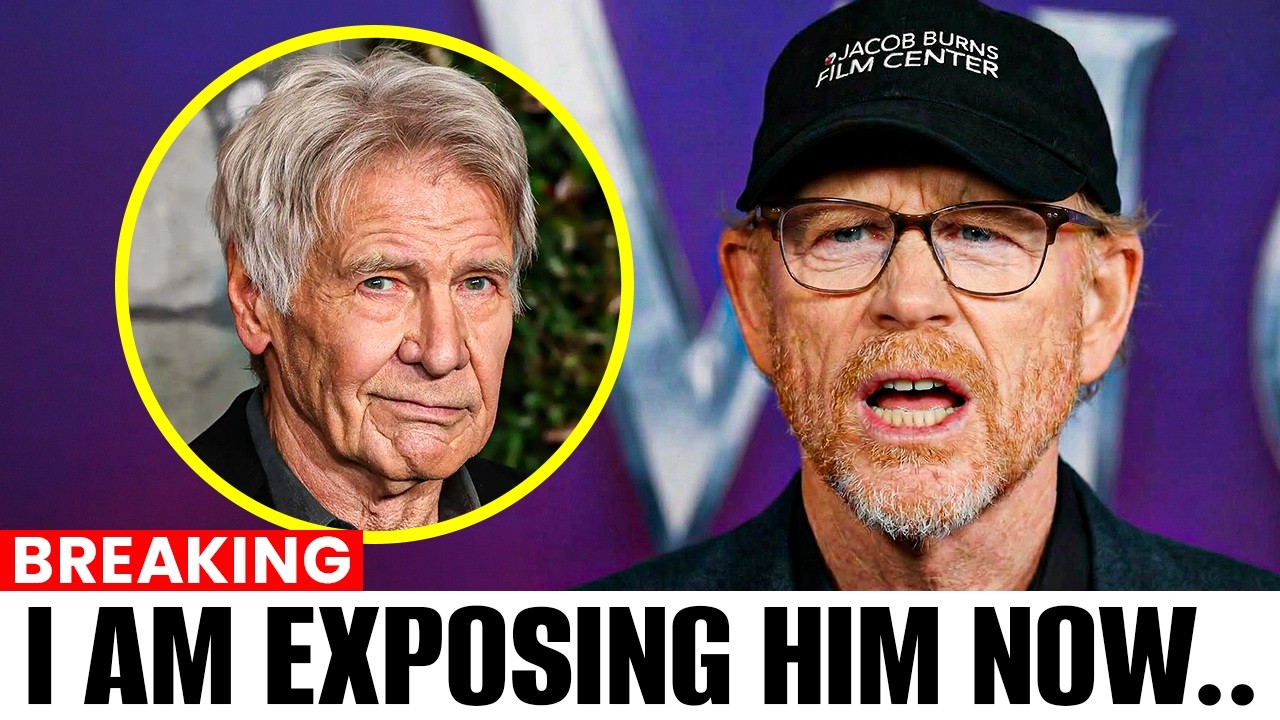
In 1973, while filming “American Graffiti,” Ron faced a new wave of challenges. He was reportedly bullied by co-stars Harrison Ford and Paul Le Mat, who subjected him to relentless harassment. This experience, which Ron later referred to as his moment of “Opie shaming,” left emotional scars that would influence his relationships in the industry for years to come.
 Despite the torment, he completed the film, which went on to gross over $115 million, but the pain lingered.
The following years brought both triumphs and trials as Ron transitioned from child actor to a leading star on “Happy Days.” While the show initially promised a fresh start, tensions arose as his character Richie Cunningham was overshadowed by the breakout success of Henry Winkler’s Fonzie. Ron’s ultimatum to keep the show’s title intact ultimately preserved his role, but it also ignited jealousy and resentment among the cast.
 As Ron began to explore directing, he faced new challenges behind the camera. His first short film, “Deed of Daring-Do,” showcased his directorial promise, but the journey was fraught with obstacles. His feature debut, “Grand Theft Auto,” while successful, came with its own set of difficulties, including a lawsuit that highlighted the dangers lurking behind the movie magic.
Throughout the 1990s, Ron’s career soared with films like “Backdraft” and “Apollo 13,” but not without significant risks. A serious accident on the set of “Backdraft” left several crew members injured, a haunting reminder of the dangers of action filmmaking. Despite these challenges, Ron’s commitment to safety and meticulous planning became a hallmark of his directing style.
 However, the controversies didn’t stop there. His adaptation of “The Da Vinci Code” faced backlash from religious groups, while his production of “The Good Lie” was marred by a lawsuit from Sudanese refugees claiming exploitation. Even his involvement in “Solo: A Star Wars Story” garnered mixed reactions, as fans debated the changes he made to the original vision.
Amidst the professional turmoil, Ron’s personal life remained a source of strength. He married high school sweetheart Cheryl Alley, and their enduring partnership has weathered the storms of fame and fortune. Their bond has been a cornerstone in Ron’s life, providing stability through the ups and downs of Hollywood.
As he reflects on his career, Ron Howard’s journey reveals a complex tapestry of resilience, creativity, and the harsh realities of the entertainment industry. His recent openness about the challenges he faced, along with his daughter’s candid remarks on nepotism, mark a new chapter in their family’s narrative. What other hidden stories might emerge from the shadows of Hollywood?