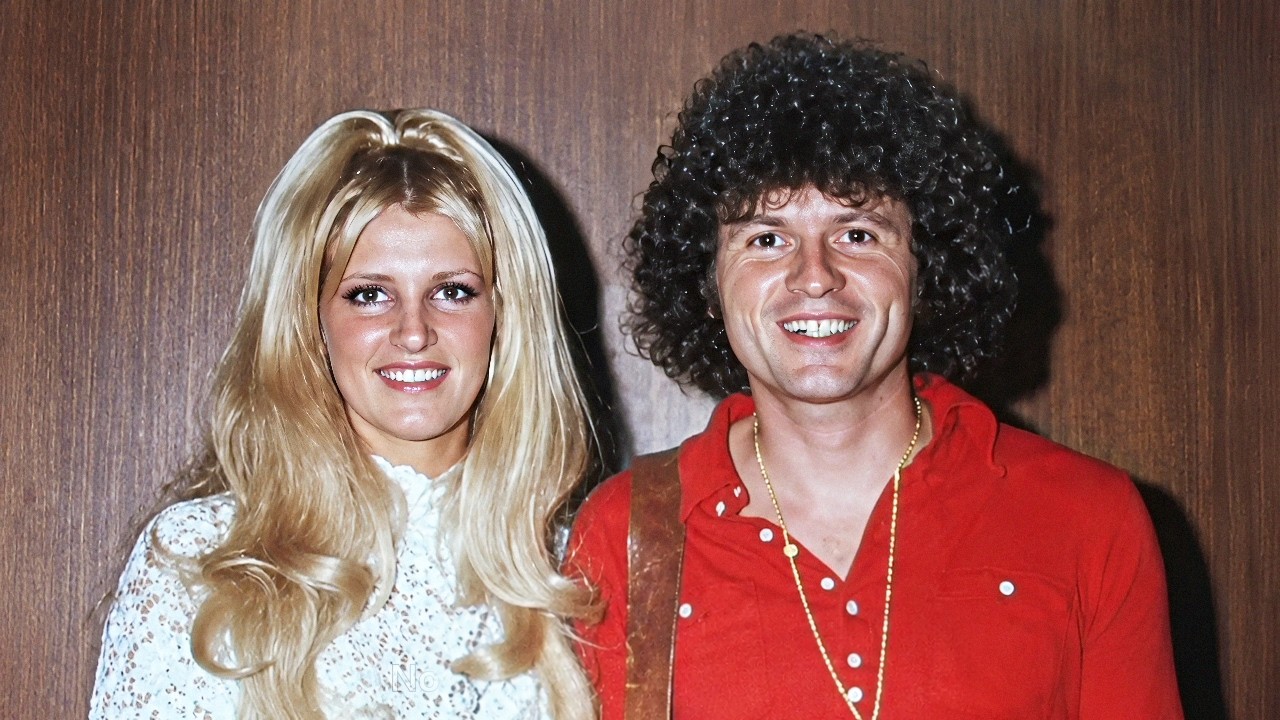
Kathleen Freeman, a beloved fixture in American television and film for over five decades, passed away quietly in 2001 from lung cancer, leaving behind a legacy of unforgettable performances overshadowed by Hollywood’s indifference. Her story of resilience, secrecy, and rare courage is only now coming to light.

Freeman was one of Hollywood’s most recognizable but unsung character actors. Known for her sharp comedic timing and memorable one-liners, she animated countless scenes despite often being relegated to background roles. From nosy neighbors to cranky housekeepers, her presence was unmistakable.
Her career began in vaudeville, performing with her family, then shifted to Hollywood where she became a reliable powerhouse of comedy and scene-stealing performances. Yet, her true talents and emotional depths were rarely explored or acknowledged by the industry.
Her frequent collaborations with Lucille Ball on “I Love Lucy,” “The Lucy Show,” and “Here’s Lucy” showcased her formidable talent and on-screen chemistry. Off-camera, however, their relationship was marked by mutual respect shadowed by professional tension and stark personality contrasts.

Hollywood typecast Freeman into comedic, secondary roles, denying her the opportunity to demonstrate the full range of her acting abilities. Despite this, she elevated every character she played, earning respect from directors and co-stars alike for her professionalism and humor.
Freeman’s personal life was intensely private, a sharp contrast to her loud and vivacious on-screen persona. She never married and lived quietly with her companion, Helen Ramsay, a fact discreetly shielded from public and media scrutiny in an era intolerant of such openness.
In a testament to her indefatigable spirit, Freeman revitalized her career with a triumphant Broadway debut in “The Full Monty” at age 78, earning a Tony nomination. Her performance as Janette Burmeister was a defiant statement against ageism and typecasting in the entertainment world.
Throughout the production, Freeman battled lung cancer in secret, refusing to allow her illness to affect her work or the show’s success. Her determination to perform despite her declining health deeply inspired her colleagues and audience alike.
The news of her illness was withheld even from many close to her. Her final months were spent performing with unyielding dedication until physical exhaustion forced her to miss a performance for the first time in decades.
Freeman’s death on August 23, 2001, stunned the entertainment community but barely registered with the wider public. Her passing was mourned quietly, the magnitude of her contribution acknowledged chiefly by insiders who knew her integral role behind the scenes.
Tributes poured in from fellow actors and filmmakers who recognized the depth of her craft and the heart she brought to every role. Jerry Lewis, having worked with her extensively, expressed profound grief, underscoring her impact on classic film comedy.
Despite her extensive body of work, Freeman’s name and face faded swiftly from public memory after her death. Hollywood’s selective remembrance left her legacy largely uncelebrated, an injustice to the actress who gave so much without complaint or fanfare.
She embodies the countless character actors whose labor underpins the entertainment industry—a reminder that the glamour of show business is built on the backs of those who rarely receive credit or acclaim.

Kathleen Freeman’s life illuminates the bittersweet reality of many performers: celebrated in fleeting moments, overlooked in history. She was a backbone of every scene she entered, making stars shine brighter without ever seeking the limelight herself.
Her story also highlights the systemic challenges within Hollywood—typecasting, ageism, and the enforced invisibility of private lives, especially for those whose truths did not conform to public expectations.
Freeman’s discreet, decades-long companionship with Helen Ramsay reflects a courageous privacy maintained in the face of pervasive industry pressure and societal norms hostile to difference or deviation from accepted images.
Her refusal to publicize her illness or personal life stands as an act of steady resolve. Kathleen Freeman chose to own her narrative on her terms—fierce, unyielding, and true to her craft until the very end.
Today, her legacy demands reconsideration—a prompt to honor the countless unsung talents who have shaped the cultural fabric yet remain shadows in the stories Hollywood tells.
Her relentless work ethic and unbreakable spirit continue to inspire actors and fans alike, proving that recognition is not always matched by contribution, but dedication never loses its value.
As archives reintroduce her performances, new generations are discovering the vivid life and humor Freeman brought to every line and setting. She remains a potent symbol of the transformative power of perseverance and authenticity in show business.
Kathleen Freeman’s passage from public spotlight to quiet obscurity is a stark indictment of an industry that often discards those who do not fit its narrow paradigms. Her story challenges us to broaden our appreciation of artistry and commitment.
Her life, performed largely in the wings, resonated louder than many can measure. She was not merely a supporting player; she was a cornerstone of comedic excellence, an artist who turned every scene into a memorable moment.
Freeman showed the world that true artistry is not always about being front and center—it is about the integrity of performance, the love of craft, and the courage to keep going despite the odds.
She leaves a powerful message about identity, resilience, and dignity. Kathleen Freeman never asked to be famous, only to be seen and to work. Her story is an urgent call to recognize and value those who labor invisibly yet indispensably in the entertainment world.

The time has come to reclaim her legacy from the margins. To see Kathleen Freeman not as a mere character actress, but as a formidable talent whose impact still echoes in every laugh, every scene she saved.
Her life and career remind us that every character, no matter how small, contributes to the larger story. And Kathleen Freeman’s story is one that must no longer be forgotten or left unspoken.
In honoring Kathleen Freeman, we honor millions who share her experience, resilience, and quiet talent—a testament to the unsung artistry that truly makes Hollywood shine.