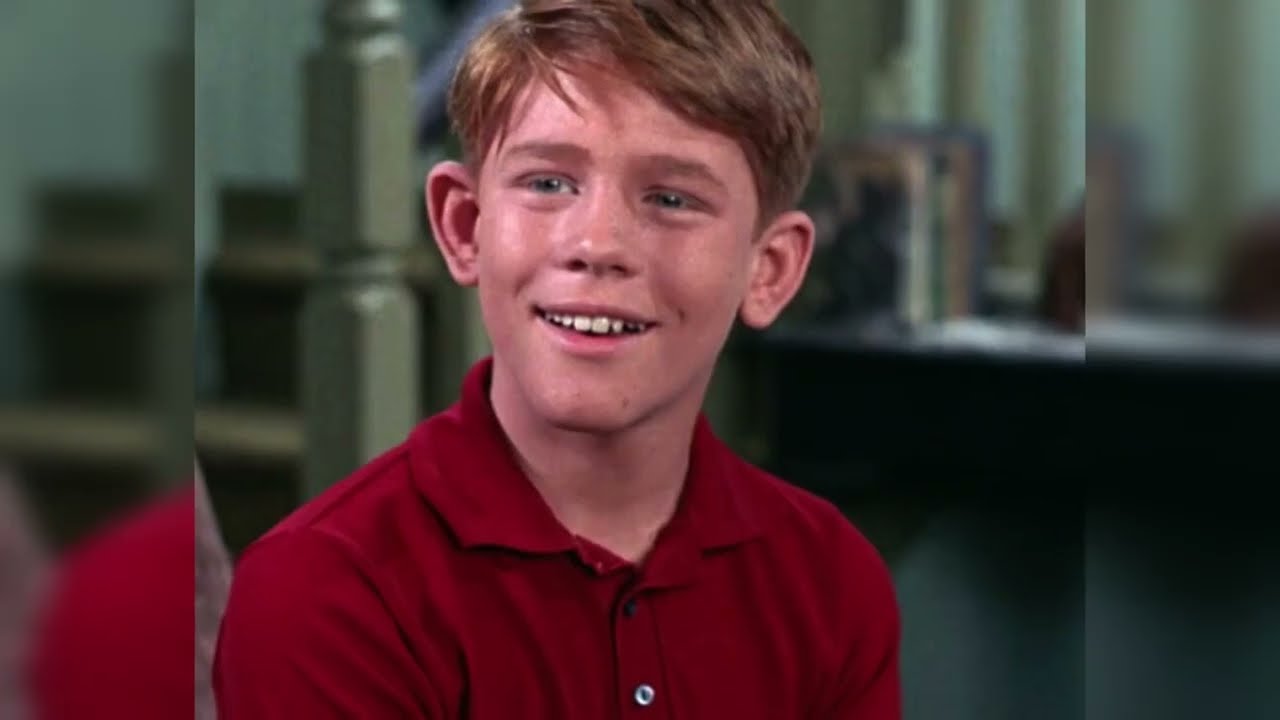
Ron Howard, the beloved child star from “The Andy Griffith Show,” recently reflected on his time in Hollywood, revealing that not all was as idyllic as it seemed in the quaint town of Mayberry. Behind the scenes, the reality of working with certain cast members was far more complex than the warm family dynamic portrayed on screen.
“The Andy Griffith Show,” which first graced television screens in 1960, quickly became a staple of American culture, running for eight successful seasons and producing nearly 250 episodes. It painted a picture of small-town life filled with laughter and moral lessons, but the camaraderie among the cast was often overshadowed by personal tensions and unspoken resentments.
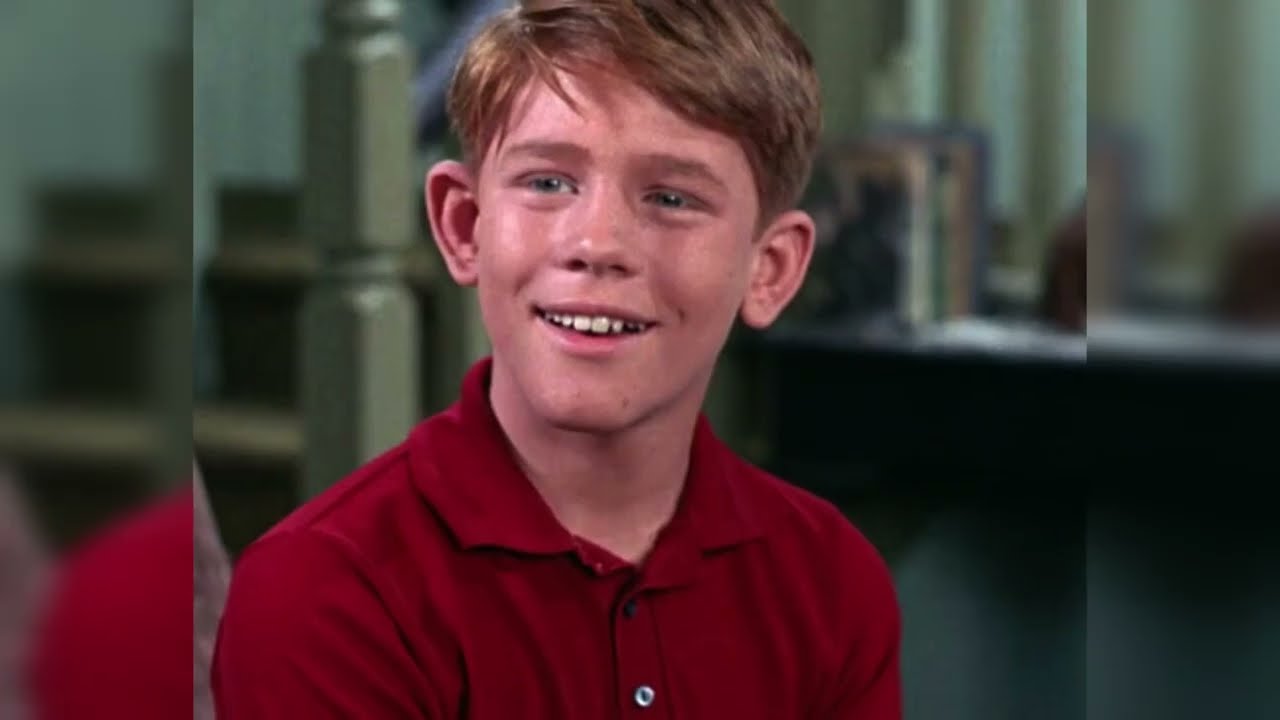
 Howard, who began his career at the tender age of six, found himself navigating the tricky waters of fame and relationships in a world that was not always welcoming. While he cherished his bond with Andy Griffith, who served as a mentor, his experiences with other cast members were not always as positive.
One particularly challenging relationship was with Francis Bavier, who played Aunt Bee. Known for her exacting nature, Bavier reportedly had a reputation that made working with her feel like “walking through a minefield.” For young Ron, her icy demeanor stood in stark contrast to the loving aunt she portrayed.
A vivid memory for Howard was filming the infamous Pickle Story episode, where he had to consume jar after jar of Aunt Bee’s notoriously bad pickles. While viewers found the scene humorous, for Howard, it was a struggle exacerbated by Bavier’s lack of warmth.
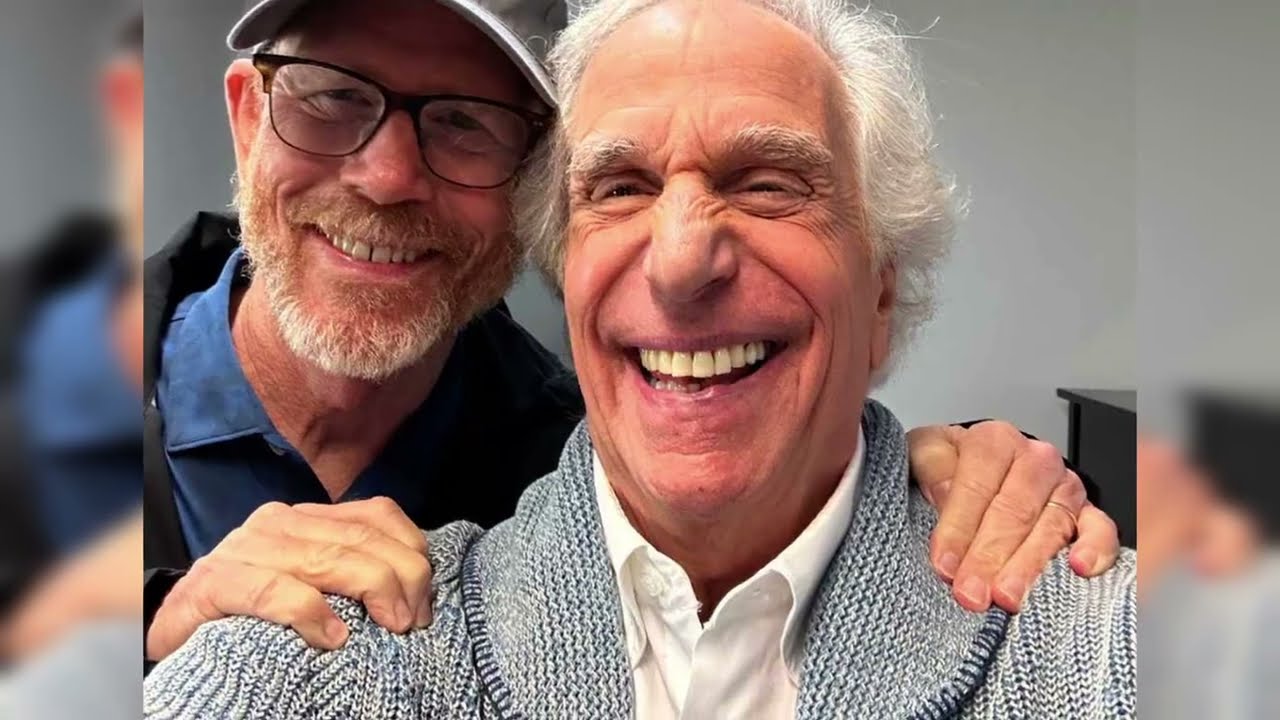
 As “The Andy Griffith Show” wrapped up in 1968, Howard’s career took a different trajectory. He transitioned to playing Richie Cunningham in “Happy Days,” where he found genuine camaraderie with co-star Henry Winkler. This time, the friendships he formed felt authentic, providing a comforting counterbalance to his earlier experiences.
Howard’s ambitions soon shifted from acting to directing, a move that would redefine his career. He began directing smaller projects in the 1970s, eventually achieving success with films like “Splash” and “Night Shift.” His directorial prowess culminated in the Oscar-winning “A Beautiful Mind,” which, while celebrated, also faced scrutiny for its portrayal of mathematician John Nash’s life.
 Throughout his career, Howard has maintained a reputation for professionalism and steadiness, qualities that have allowed him to navigate the often tumultuous waters of Hollywood. His personal life has also remained remarkably stable; he and his wife, Cheryl, have built a lasting marriage that has withstood the test of time.
However, Howard’s experiences have taught him that the glitz and glamour of Hollywood can often mask deeper truths. His recent work on “Hillbilly Elegy” brought him face-to-face with author J. D.
 Vance, whose political transformation left Howard feeling a sense of disappointment reminiscent of his earlier experiences with Bavier.
Despite the challenges, Ron Howard’s journey from child star to respected director is a testament to his resilience and adaptability. His story is a reminder that behind the polished smiles and nostalgic memories of Hollywood, there are often hidden complexities and truths waiting to be uncovered.
What about you? Which Ron Howard film resonates with you the most? Share your thoughts in the comments!