For generations, William Shatner has been remembered as the man who boldly went where no one had gone before.
Captain James T. Kirk.
The face of Star Trek.
The actor who helped inspire millions to imagine a future among the stars.
But behind that legendary image was a much more complicated journey.
A story of rejection.
Loss.
Survival.
And a man who spent his entire life searching for meaning beyond the characters he played.
William Shatner was born in 1931 in Montreal, Canada.
Growing up in a Jewish family, he often felt like someone searching for his place in the world.
He was ambitious.
Different.
And determined to prove himself.
Before fame, before Star Trek, before Hollywood knew his name, Shatner discovered acting.
The stage gave him something he had always wanted.
A place where people listened.
A place where he could transform himself.
For the first time, he was not overlooked.
He was seen.
That feeling became powerful.
Acting was no longer just a career.
It became part of his identity.
After studying theater and building experience in Canada, Shatner moved toward television and film.
He worked steadily, but true recognition came when he was cast as Captain James T. Kirk in Star Trek in 1966.
At the time, nobody knew what the series would become.
It was not expected to change television history.
But it did.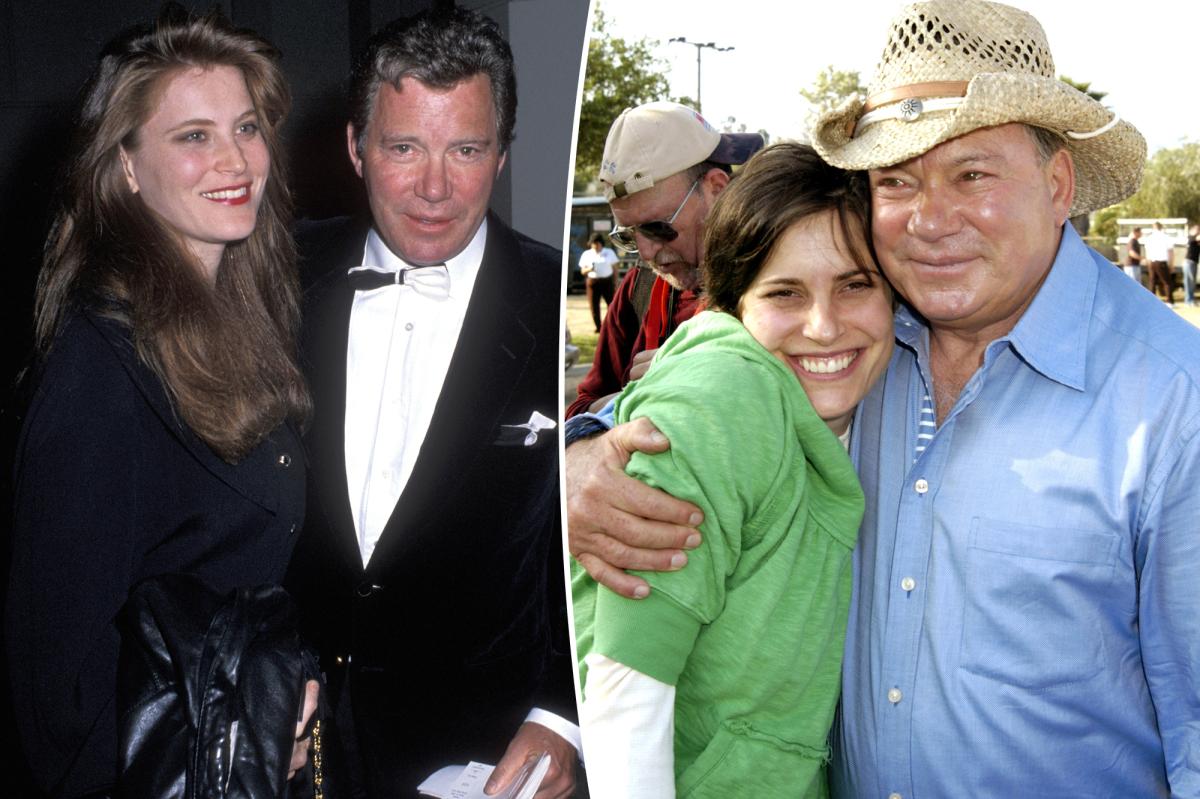
Captain Kirk became more than a character.
He became a symbol of exploration, courage, and humanity’s future.
Audiences saw a leader who believed people could overcome their differences and reach beyond their limits.
But when the original series ended, Shatner faced a reality many actors fear.
Being trapped by the role that made them famous.
Hollywood no longer saw him as William Shatner.
It saw only Captain Kirk.
The offers slowed.
The opportunities disappeared.
And the actor who had once commanded a starship suddenly found himself struggling.
At one point, Shatner faced financial difficulties so severe that he lived out of a truck while trying to support his family.
During the day, he continued working.
At night, he faced uncertainty.
The world had celebrated him as a hero from the future.
But his own future felt unclear.
Then something unexpected happened.
Hollywood brought him back.
In 1979, Star Trek: The Motion Picture arrived, returning Shatner to the role that had defined him.
This time, the character was not just a career opportunity.
It was a second chance.
The franchise grew.
The films became successful.
And Shatner transformed from a forgotten television actor into a cultural icon.
Later, he found another major success with Boston Legal, proving that his talent extended far beyond Captain Kirk.
He earned awards.
Critical respect.
And recognition that many felt he deserved decades earlier.
But life continued testing him.
In the late 1990s, Shatner found love again with Nerine Kidd.
Their relationship was intense and meaningful.
But it was also affected by serious struggles, including addiction.
In 1999, tragedy struck.
Shatner returned home and discovered that Nerine had died in their swimming pool.
The loss devastated him.
For someone who had survived career failures and professional rejection, this was a different kind of pain.
It was personal.
And impossible to simply overcome.
Yet Shatner continued moving forward.
Another complicated chapter of his life involved his relationship with Leonard Nimoy.
The two men shared one of the most famous friendships in science fiction history.
As Captain Kirk and Spock, they created one of television’s most iconic partnerships.
Off screen, their relationship was complex.
There was friendship.
Competition.
And a connection built over decades.
When Leonard Nimoy passed away in 2015, Shatner did not attend the funeral.
The decision received criticism from many fans.
Later, Shatner admitted that missing that final goodbye became one of his greatest regrets.
It was not about public opinion.
It was about losing a final opportunity to honor someone who had been part of his life for so long.
As the years passed, Shatner experienced something many people face later in life.
Loss.
Friends disappeared.
Colleagues passed away.
The people who shared important chapters of his story were slowly leaving.
For someone who spent decades surrounded by millions of fans, loneliness became a different kind of challenge.
Then came another unexpected chapter.
Space.
In 2021, at the age of 90, William Shatner traveled into space aboard Blue Origin’s New Shepard spacecraft.
For the man who spent decades playing a space captain, it seemed like the perfect ending to a legendary career.
But the experience affected him in a way he never expected.
Many people assumed he would return with excitement and celebration.
Instead, Shatner described something much deeper.
Looking at Earth from above, he saw something fragile.
Something beautiful.
Something incredibly vulnerable.
The experience left him emotional.
It was not like playing Captain Kirk.
It was not fiction.
It was real.
For a few minutes, he was not a television icon.
He was simply a human being looking back at the planet that held everything he had ever known.
The journey changed his perspective.
After a lifetime of chasing success, recognition, and achievement, he found a different kind of understanding.
Time is limited.
People matter.
The moments we share are what remain.
William Shatner’s life was never just about Star Trek.
It was about resilience.
A man who fell and rebuilt himself.
A man who experienced incredible fame and painful loss.
A man who kept searching for meaning long after the cameras stopped.
The world knows Captain Kirk.
But behind the uniform was William Shatner—a person who experienced the same fears, regrets, and hopes as everyone else.