The beloved sitcom “The Beverly Hillbillies” defied all odds when it premiered in 1962, quickly becoming a cultural phenomenon despite facing harsh criticism from intellectuals and network executives. With 60 million viewers tuning in, the show not only captured hearts but also concealed a treasure trove of secrets that have remained hidden for decades.
Creator Paul Henning crafted “The Beverly Hillbillies” as a direct response to the New York critics who dismissed rural comedies as lowbrow entertainment. Growing up in Missouri, Henning took it personally when urban elites belittled country values. His vision was simple yet audacious: drop a poor hillbilly family into the opulent world of Beverly Hills and watch the hilarity unfold.
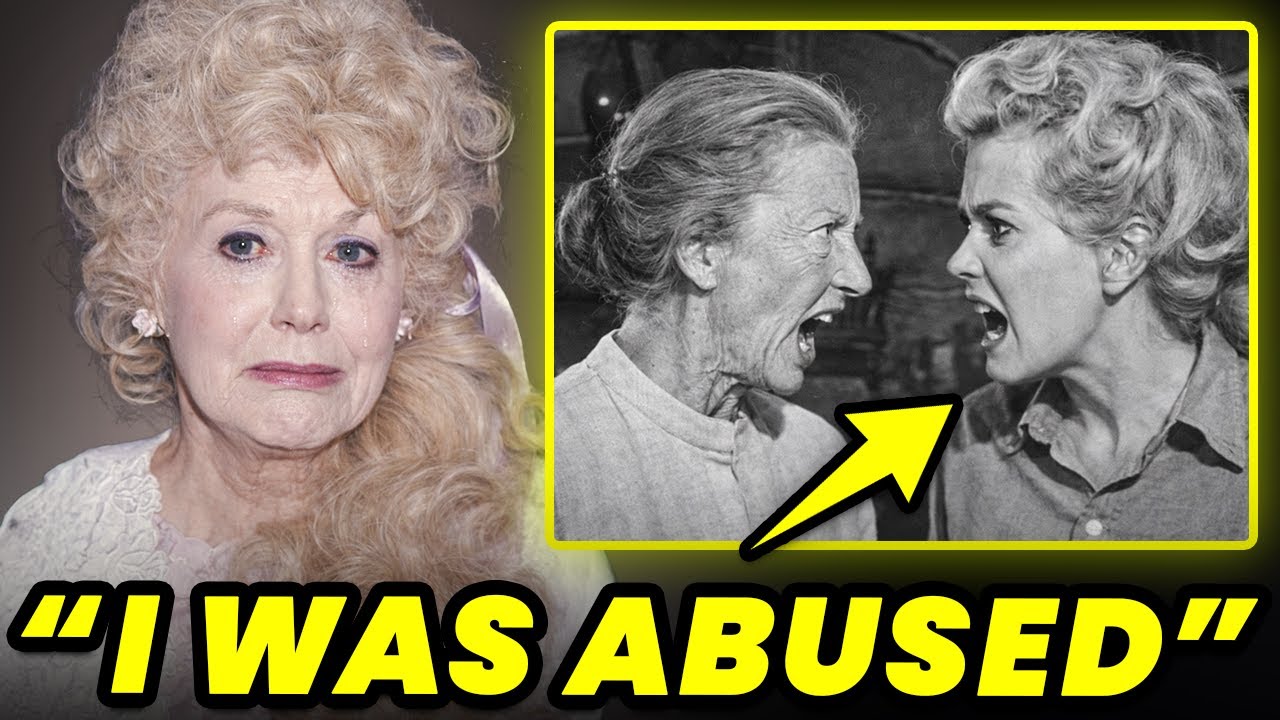 CBS was skeptical, but the show debuted to scathing reviews and quickly soared to the top of the ratings, proving that mainstream America had a different taste than the critics.
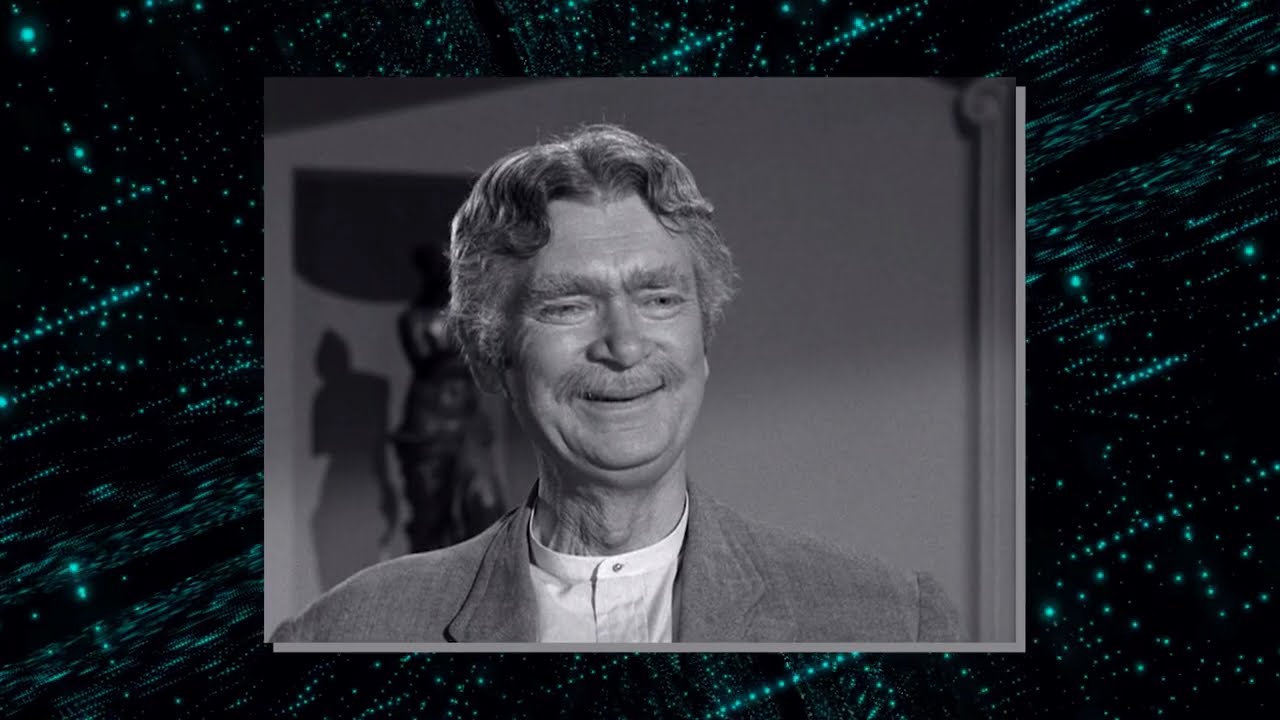
Buddy Ebsen, who portrayed the iconic Jed Clampett, carried the weight of a traumatic past from his earlier role as the Tin Man in “The Wizard of Oz.” The harrowing experience left him wary of Hollywood, but Henning’s respectful treatment of actors drew him back into the spotlight. Ebsen’s portrayal of Jed was not just comedic; he infused the character with dignity and warmth, making him a beloved figure.
Irene Ryan, who played the feisty Granny, was a vaudeville legend whose talent was often overlooked. At 60, she brought a fierce energy to the role, performing her own stunts and captivating audiences with her impeccable timing. Surprisingly, she was younger than Ebsen, yet her transformation into Granny was so complete that it left fans in awe.
On the other hand, Donna Douglas, who embodied the sweet and naive Ellie Mae, initially hesitated to take the role. She was pursuing a serious acting career and viewed the character as a step back. However, after reading the script, she found unexpected depth in Ellie Mae and accepted the role, which ultimately catapulted her to fame.
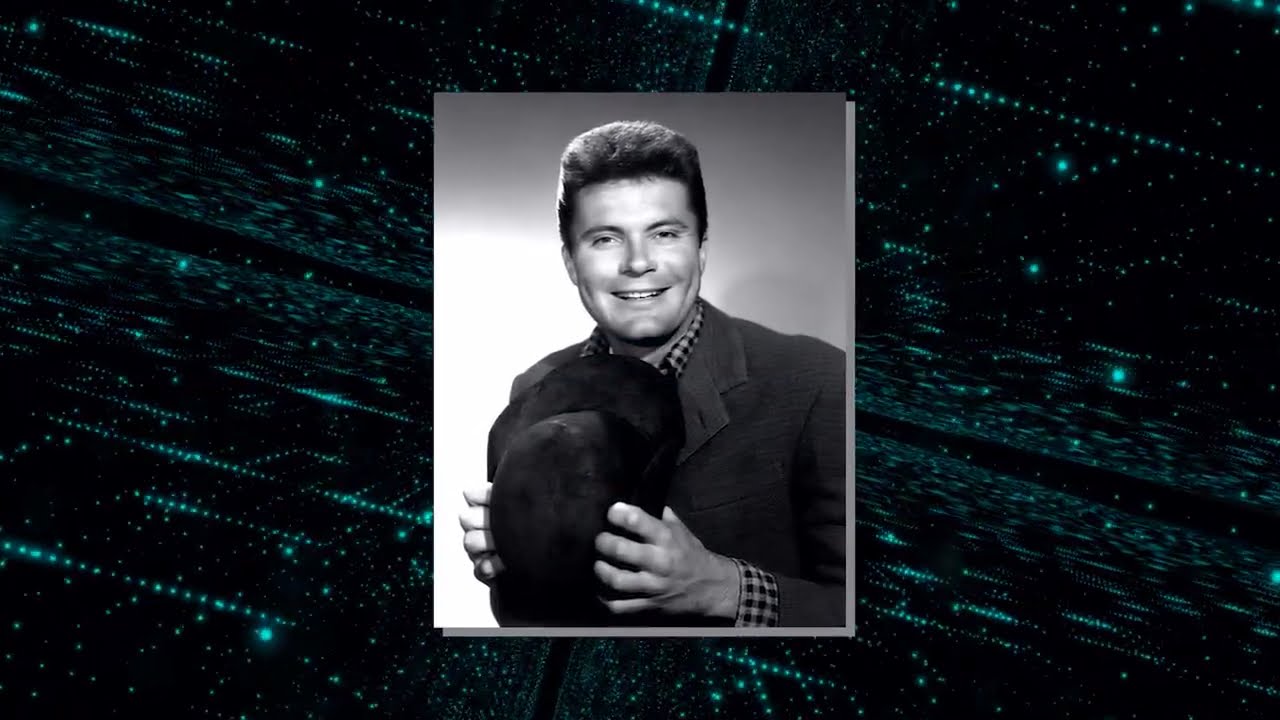
 Max Baer Jr., who played Jethro, struggled with the limitations of his character. Despite his intelligence and ambition, audiences only saw him as the dimwitted Jethro, leading to frustration and a career path that veered away from acting after the show ended.
The lavish Clampett mansion was not just a set; it was a real estate gem in Beverly Hills. The production rented the estate for exterior shots, grounding the show in a sense of reality that resonated with viewers. However, while CBS profited immensely from the show’s success, the cast found themselves underpaid and locked into contracts that did not reflect the show’s popularity.
The show’s iconic theme song almost led to its cancellation, as executives initially deemed it too country. But Henning fought for it, and the catchy tune became synonymous with the series, embedding itself in American pop culture.
 Interestingly, the character of Mr. Drysdale, played by Raymond Bailey, was inspired by real-life bankers who often exploited wealthy clients. This satirical edge ran throughout the show, revealing the absurdities of wealth and sophistication while celebrating the Clampetts’ simple values.
As the series progressed, friendships among the cast were tested by politics, as seen in the fallout between Ebsen and Kulp when she ran for Congress. Their bond, once strong, crumbled under the weight of differing ideologies.
Despite still enjoying respectable ratings, CBS made the controversial decision to cancel “The Beverly Hillbillies” in the early ’70s as part of a broader shift away from rural comedies. This move blindsided the cast, who believed they had more stories to tell.
 Irene Ryan’s untimely death in 1973 left a profound impact on the cast, who mourned the loss of their beloved Granny. Her vibrant spirit and mentorship had been a cornerstone of the show’s success.
In a twist of fate, the iconic truck that the Clampetts drove became a highly sought-after collector’s item, valued at over $200,000. Its journey from a forgotten prop to a cherished artifact illustrates the lasting legacy of the series.
The success of “The Beverly Hillbillies” inspired a wave of imitators, flooding television with rural comedies, but none could replicate its unique charm. The show changed the landscape of television, proving that audiences craved stories that celebrated the working class.
Buddy Ebsen carried a complex relationship with the show throughout his life. While he was grateful for the fame it brought him, he often felt overshadowed by the character of Jed Clampett, a role that defined his legacy.
As we reflect on the hidden stories behind “The Beverly Hillbillies,” one must wonder: what other secrets lie beneath the surface of our favorite shows?