Maureen O’Hara, the fiery redhead of Hollywood’s golden age, was not just a celebrated actress but a woman of remarkable strength and conviction. Known for her fierce independence and unwavering integrity, she navigated the tumultuous waters of the film industry while refusing to conform to its often exploitative norms.
Born Maureen FitzSimons on August 17, 1920, in Dublin, Ireland, she showed an early affinity for the arts, nurtured by her close-knit family. Her journey began at the Abbey Theatre, where she honed her craft before being discovered by the legendary actor Charles Elton. This pivotal moment in the late 1930s led to her breakout role in Alfred Hitchcock’s “Jamaica Inn,” setting the stage for her Hollywood debut in “The Hunchback of Notre Dame” the same year.
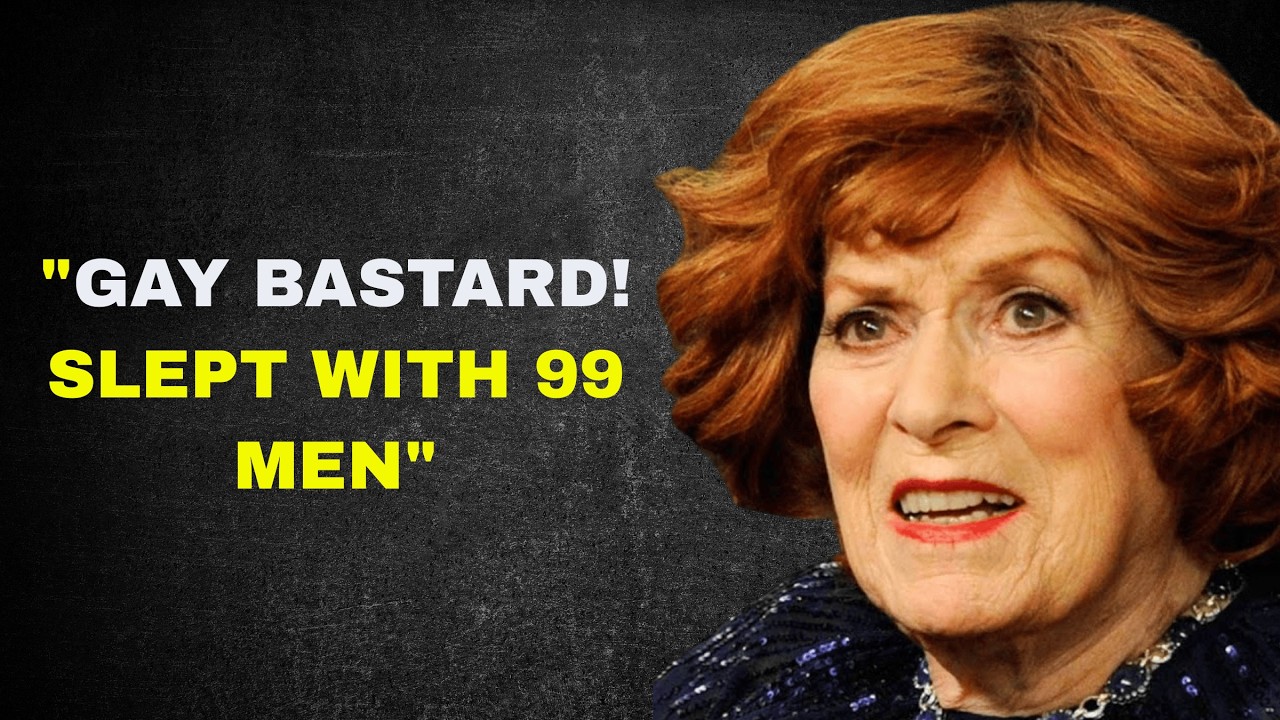 O’Hara quickly became a household name, captivating audiences with her beauty and the depth she brought to her characters. Unlike many of her contemporaries, she chose roles that showcased strong, spirited women, defying the era’s expectations of female portrayals. Films like “How Green Was My Valley,” which won the Academy Award for Best Picture, and “The Quiet Man,” where she starred alongside John Wayne, solidified her status as a leading lady.
Her collaborations with director John Ford were particularly notable, creating iconic films while also revealing the complexities of their professional relationship. O’Hara later described Ford as emotionally manipulative and demanding, a stark contrast to the warmth of their on-screen chemistry. Despite the challenges, she remained resolute, refusing to be silenced or diminished by the pressures of Hollywood.
Throughout her career, O’Hara was known for her fierce stance against the industry’s darker aspects. She openly rejected roles that she deemed shallow or demeaning, earning respect for her integrity at a time when many actresses felt compelled to comply with the status quo. Her refusal to engage in the so-called “casting couch” culture reportedly cost her roles, yet she remained unwavering in her principles.
 O’Hara’s personal life was as vibrant and tumultuous as her film career. She married English producer George H. Brown at just 19, a union that ended in annulment two years later.
Her second marriage to director William Houston Price brought joy, but also challenges, particularly due to his struggles with alcoholism. Despite these difficulties, she embraced motherhood, finding deep fulfillment in raising her daughter, Bronwyn.
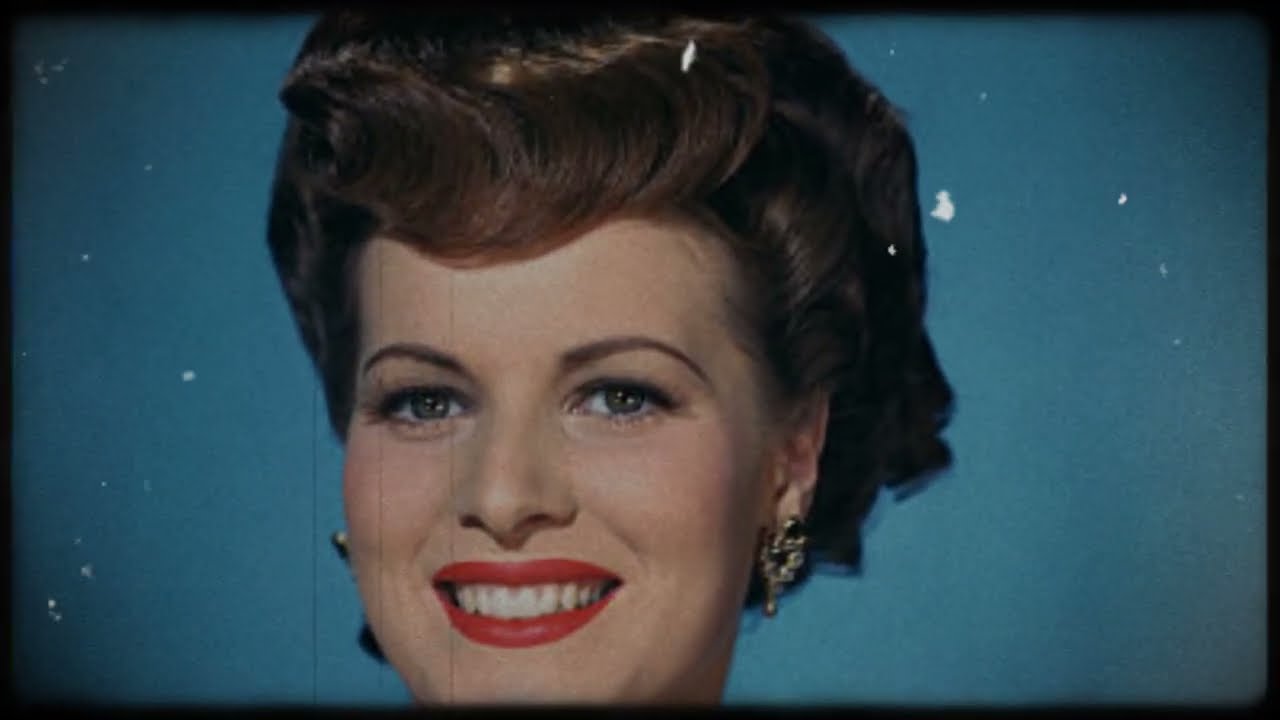 In 1968, O’Hara married Charles F. Blair Jr. , a distinguished aviator who encouraged her to step back from the spotlight.
Their bond was one of mutual respect and adventure, yet tragedy struck when Blair died in a plane crash in 1978. O’Hara faced this heartbreak with resilience, later penning an autobiography that offered insight into her remarkable journey.
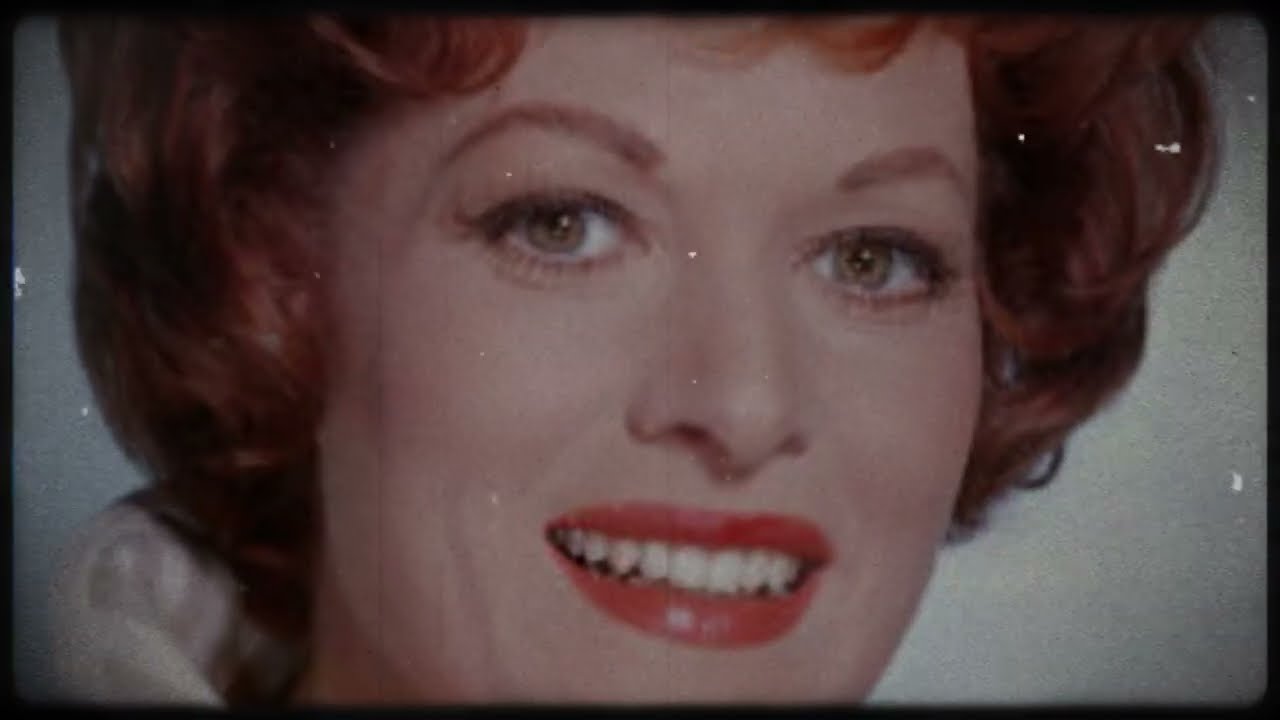 O’Hara’s legacy extends beyond her film roles; she was an early advocate for women’s rights in Hollywood. Her candid discussions about harassment and 𝓪𝓫𝓾𝓼𝓮 in the industry were groundbreaking, paving the way for future generations to speak out. Even as she faced personal and professional challenges, she maintained her dignity and self-respect, becoming a beacon of strength for women everywhere.
In 2014, the Academy honored her with an honorary Oscar, celebrating her contributions to cinema and her indomitable spirit. O’Hara passed away peacefully in 2015 at the age of 95, leaving behind a legacy marked by both cinematic triumphs and personal resilience. Her final resting place at Arlington National Cemetery beside her beloved husband serves as a testament to their enduring love and her remarkable life.
As we reflect on O’Hara’s incredible journey, one has to wonder: what lessons can we learn from her fearless approach to life and her unwavering commitment to integrity in an often unforgiving industry?