A centuries-old mystery surrounding one of England’s most infamous queens has reignited a fierce debate among historians, as a charred and damaged letter purportedly written by Anne Boleyn from her prison cell in the Tower of London is being scrutinized for its authenticity. The document, held in the British Library’s Cotton collection, claims to be the final missive from Henry VIII’s second wife to her husband, penned just days before her execution on May 19, 1536. But experts are divided: is this a genuine cry from a doomed queen, or a masterful forgery crafted to manipulate history?
The letter, dated May 6, 1536, just four days after Anne’s shock arrest on charges of adultery and treason, is a desperate plea for a fair trial and a warning to the king about his eternal soul. In it, the writer addresses Henry with a mix of defiance and sorrow, declaring, “Never prince had wife more loyal in all duty and in all true affection than you have ever found in Anne Boleyn.” The document also references Jane Seymour, the lady-in-waiting whom Henry married just 11 days after Anne’s execution, calling her “that party, for whose sake I am now as I am.”
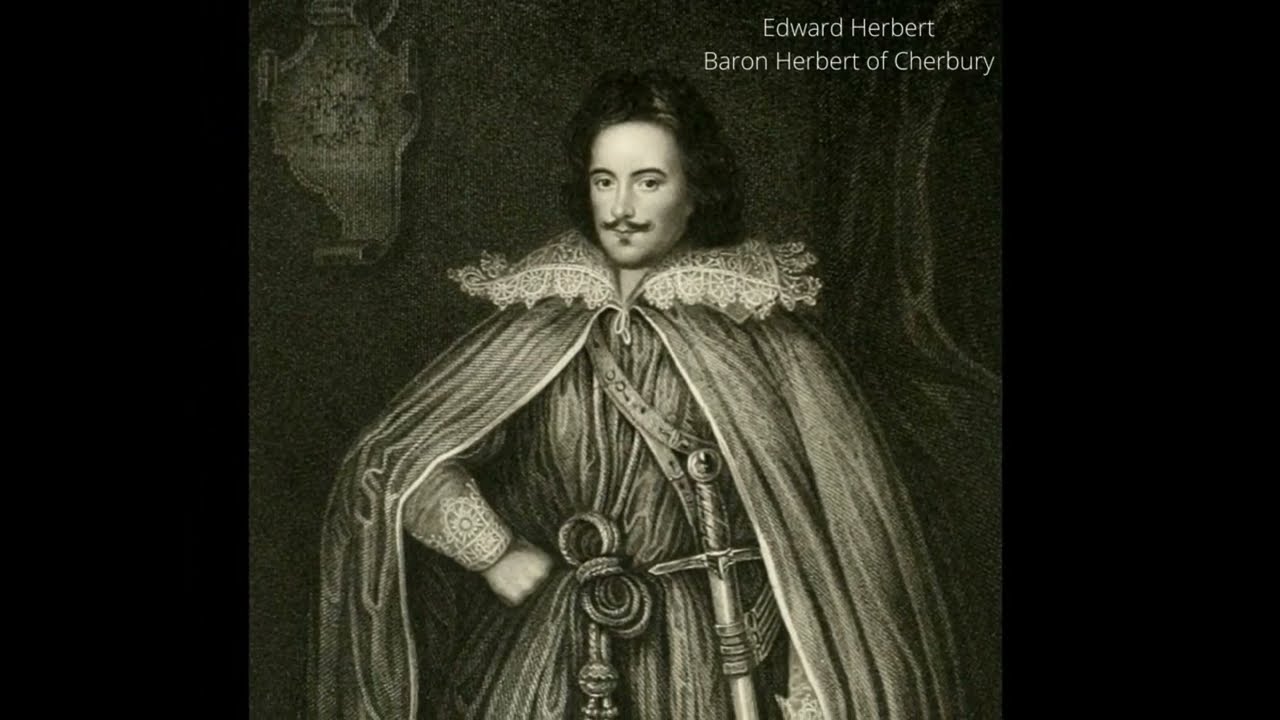
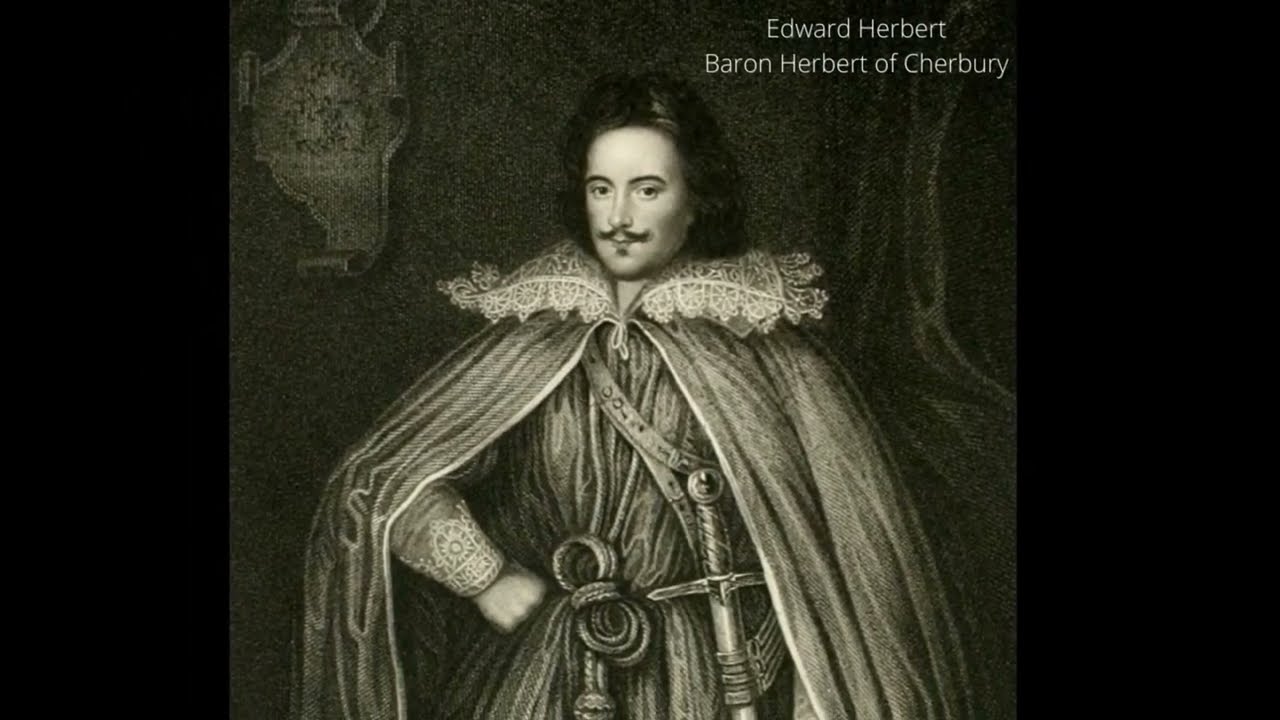
 The letter’s provenance is as murky as its contents are dramatic. It first appeared in print in 1649, over a century after Anne’s death, in a book by Edward Herbert, Baron of Cherbury. Herbert transcribed it from the Cotton collection, but he himself expressed doubts, noting that he had not seen an original and that the document “seems ancient and consonant to the matter in question.”
The version in the Cotton manuscripts was heavily damaged in a fire in 1731, but six manuscript copies survive, some dating to as early as 1628. Yet no original in Anne’s hand has ever been found.
The handwriting is a central point of contention. Authenticated samples of Anne’s script show distinct differences, particularly in how she formed her capital A’s and lowercase N’s, and in her signature, which always ended with a flourish. The Cotton letter’s handwriting is softer and more rounded, leading many experts to conclude it is not Anne’s.
“The handwriting doesn’t correspond exactly,” wrote historian Susan Bordo, though she added it “could easily have been transcribed by someone else.” Others, like James Gairdner in the 1880s, declared the script “Elizabethan,” suggesting it was created decades after Anne’s death.
The letter’s tone has also raised red flags. Historian Eric Ives argued that it would have been “wholly improbable” for Anne to write that her marriage was built on “nothing but the king’s fancy” or to warn Henry that he faced “the judgment of God.” Such language, Ives said, was “totally counterproductive” for a prisoner hoping to save her life.
Yet supporters of the letter’s authenticity, like author Sandra Vasoli, contend that Anne’s boldness was characteristic of her relationship with Henry. “This is how they fought and made up,” Vasoli wrote, arguing that the letter reflects “the boldness she used when they loved and argued and loved again.”
 Perhaps the most puzzling aspect is the signature. The letter is signed “Anne Boleyn,” not “Anne the Queen,” which is highly unusual for a woman who had fought a long battle to secure her royal title. By using her maiden name, the writer effectively acknowledges that she is no longer Henry’s wife, which would have undermined her daughter Elizabeth’s legitimacy.
“Those who argue that the letter is genuine have never satisfactorily accounted for this problem,” the video transcript notes, calling the signature “bizarre for a woman desperately trying to protect her position as a wife and queen.”
The letter’s journey to the British Library is equally mysterious. It is said to have come from the papers of Thomas Cromwell, Henry’s chief minister, who was himself executed in 1540. Cromwell and Anne had a difficult relationship, and some speculate he intercepted the letter to prevent Henry from changing his mind about her execution.
But there is no proof of this connection, and the letter’s first known appearance was in the Cotton collection, assembled by Sir Robert Cotton in the early 17th century. How it got there remains unknown.
Adding to the intrigue, a postscript in the same handwriting refers to Anne in the third person, saying she “could confess no more than she had already said” and that the king was “purposing to make her by martyrdom a saint in heaven.” This has led many to believe the letter was not written by Anne at all, but by someone else, possibly a scribe or a later forger. “The fact script which refers to Anne in the third person is in the same handwriting as the letter but is clearly not part of it is one of the most obvious indicators that Anne didn’t write it,” the video transcript states.
 Despite these doubts, the letter has captivated historians and the public for centuries. It was published in multiple books in the 17th century, including Gilbert Burnet’s “The History of the Reformation of the Church of England” in 1679, and has been cited as evidence of Anne’s innocence and her tragic fate. The emotional power of the words, with their references to “my doleful prison in the Tower” and the plea for “a lawful trial,” has made it a cornerstone of Tudor lore.
Yet the lack of contemporary evidence is striking. William Kingston, the governor of the Tower, wrote exhaustive reports of Anne’s every word and action during her imprisonment, but he never mentioned any letter to the king. In fact, Kingston recorded that Anne asked to write to Cromwell, but he refused, telling her he would transmit a message by word of mouth.
“There is no other reference in his exhaustive reports of Anne’s time in the Tower to any letter or message being sent to the outside world by her,” the video transcript notes, adding that it “certainly could not have been smuggled out.”
The possibility of forgery has led to speculation about who might have created the letter and why. Some suggest it was made to damage the reputation of Queen Henrietta Maria, the French Catholic wife of Charles I, by portraying Anne as a Protestant martyr. But historian Samantha Smith concluded that “there is no obvious motive for such a forgery, as no one seems to have gained from it.”
Others propose it was simply a literary exercise or a hoax, but the lack of a clear beneficiary leaves the question open.
 For now, the letter remains one of history’s most tantalizing enigmas. The British Library’s Cotton manuscript, with its fire damage and faded ink, offers no easy answers. The handwriting, the tone, the signature, and the provenance all point to a document that may be a copy of a lost original, or a fabrication designed to shape how we remember Anne Boleyn.
As the video transcript concludes, “I’m on the fence. I can’t see why anyone would 𝒻𝒶𝓀𝑒 this document, but I certainly don’t think that any of the manuscript versions were actually written by Anne.”
The debate is unlikely to be resolved anytime soon. New research, including handwriting analysis and historical context, continues to emerge, but the letter’s authenticity may never be proven beyond a reasonable doubt. What is certain is that Anne Boleyn’s story, with its themes of love, betrayal, and tragedy, continues to resonate more than 500 years after her death.
Whether the letter is real or 𝒻𝒶𝓀𝑒, it has become a powerful symbol of her voice, silenced by the ax but preserved in ink.
Historians and enthusiasts are now calling for further study, including advanced imaging techniques that might reveal hidden details in the Cotton manuscript. The British Library has not commented on the renewed interest, but the document remains accessible to researchers. For now, the question of whether Anne Boleyn’s last letter is a genuine artifact or a clever forgery remains unanswered, adding another layer of mystery to the Tudor era’s most dramatic downfall.