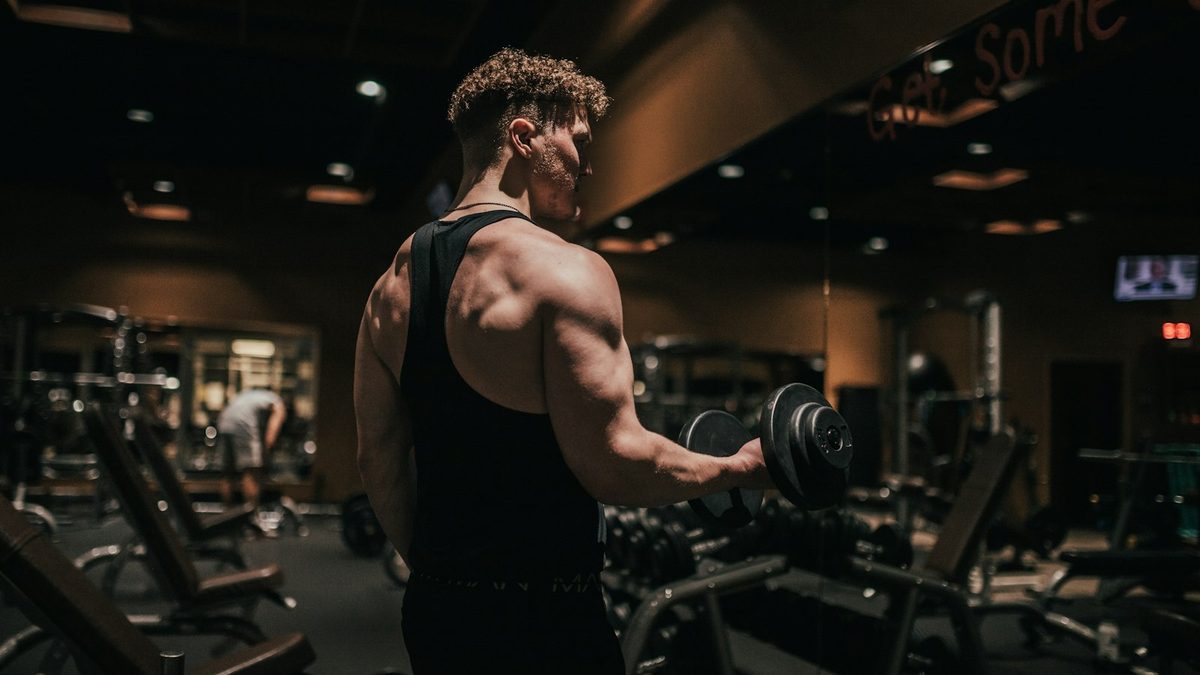
Ever felt lost in the endless stream of fitness advice, diet fads, and extreme workout routines? You’re not alone. The world of fitness can seem overwhelming, full of contradictory information and unrealistic expectations. But here’s a secret: true fitness isn’t about looking like a cover model or lifting a car. It’s about how you feel, how you move, and how well your body supports your life, day in and day out. It’s about building a foundation for a healthier, happier you, one step at a time.
This isn’t just about dropping a few pounds or bulking up. Real fitness is a journey, a commitment to a lifestyle that rewards you with energy, resilience, and a better quality of life. And trust me, it’s far more attainable than you probably think.
What Does “Fitness” Really Mean? Beyond the Biceps
When most people hear the word “fitness,” their minds instantly conjure images of ripped abs, marathon runners, or super-strong weightlifters. Sure, those are certainly aspects of fitness, but they don’t paint the full picture. Think of fitness as a multi-layered cake, not just a single ingredient.
Here’s what I mean:
- Cardiovascular Endurance: This is your heart and lungs doing their job well. It means you can walk up three flights of stairs without gasping, or chase your kids around the park for an hour. Activities like brisk walking, jogging, cycling, or swimming build this up. You want your heart to be a strong, efficient pump, not a sputtering engine.
- Muscular Strength: We’re talking about how much force your muscles can generate. Lifting groceries, moving furniture, or simply carrying your backpack – these everyday tasks become easier when you’ve got solid strength. You don’t need to be a powerlifter; even bodyweight exercises like squats and push-ups make a huge difference.
- Muscular Endurance: This measures how long your muscles can keep working without getting totally wiped out. Holding a plank, raking leaves for an hour, or going for a long bike ride all test your muscular endurance. It’s about sustained effort.
- Flexibility: Can you touch your toes? Can you reach for something on a high shelf without straining? Flexibility is your joints’ range of motion and your muscles’ ability to stretch. It prevents injuries and keeps you moving freely as you age. Yoga and simple stretching routines are fantastic here.
- Body Composition: This refers to the proportion of fat to lean mass (muscle, bone, water) in your body. It’s not just about the number on the scale, but what that weight is actually made of. A healthy body composition generally means less body fat and more muscle.
You see? It’s a lot more than just looking good in a swimsuit. It’s about being functional, resilient, and ready for whatever life throws your way.
Why Should You Care About Your Fitness? The Real Payoffs

Okay, so fitness has many facets. But why bother? Isn’t it just for people who love gyms or competitive sports? Absolutely not. Caring about your fitness is one of the most proactive steps you can take for your overall well-being. The payoffs are immense, and they touch every part of your life.
First off, your health. Good fitness drastically reduces your risk of chronic diseases like heart disease, type 2 diabetes, and certain cancers. It strengthens your immune system, meaning you’ll get sick less often and recover faster when you do. You’ll also notice better bone density, which is crucial for preventing osteoporosis down the line.
Then there’s the energy boost. Forget that afternoon slump! When you’re fit, your body is more efficient at converting food into energy. You’ll wake up feeling more refreshed, power through your workday with ease, and still have gas in the tank for evening activities.
And don’t underestimate the mental game. Regular physical activity is a phenomenal stress reliever. It releases endorphins, those “feel-good” chemicals, which can literally improve your mood and reduce symptoms of anxiety and depression. Some experts even suggest that physical exertion can help process difficult emotions, much like how some public figures use their routines to cope with high-pressure situations. Just think about the sheer mental fortitude required to navigate public life and media scrutiny; a robust fitness routine can be a grounding force, helping manage the intense stress that comes with the territory, whether you’re dealing with a difficult interview or handling unexpected public chaos like Arisa facing a “disqualification” rumor at Sanremo.
You’ll sleep better, too. Deeper, more restorative sleep isn’t a luxury; it’s a fundamental pillar of health. A good workout routine can regulate your sleep cycles, helping you fall asleep faster and stay asleep longer.
Finally, there’s longevity and quality of life. Being fit means you can enjoy your hobbies, play with your grandkids, travel, and generally live your life to the fullest for much longer. It’s about adding not just years to your life, but life to your years.
Starting Your Fitness Journey: No Excuses!
The biggest hurdle for many people is just starting. It feels like climbing Mount Everest. But it doesn’t have to be. You can begin right where you are, with what you have.
Set Realistic Goals, Not Olympic Dreams
Don’t dive in expecting to run a marathon next month if you haven’t run a mile in years. That’s a recipe for burnout and disappointment. Instead, aim small, aim consistently. Maybe it’s “walk for 15 minutes, three times a week” or “do 10 squats every morning.” Small victories build momentum. Once you consistently hit those easy targets, then you can slowly increase the challenge.
Find What You Love (Seriously)
This is perhaps the most critical piece of advice I can give you. If you dread your workout, you won’t stick with it. Period. The best fitness plan is the one you actually do.
Do you love music? Try dancing!
Enjoy nature? Go hiking or cycling.
Prefer to be in the water? Swimming is a fantastic full-body workout.
Maybe you’re competitive? Join a local sports league.
There are a million ways to move your body. Explore them! If a celebrity like Orietta Berti found her experience on “Dancing with the Stars” to be a torment, it highlights the fact that even seemingly fun activities might not be the right fit for everyone. You need to find what brings you joy, not dread.
Don’t Forget Nutrition: You Can’t Out-Exercise a Bad Diet
Exercise is essential, but it’s only half the equation. What you put into your body fuels its performance and recovery. You wouldn’t put cheap gas in a sports car, right? Treat your body the same way. Focus on whole, unprocessed foods: lots of vegetables, fruits, lean proteins, and healthy fats. Hydrate with plenty of water. Small, consistent changes here make a massive impact on your energy levels and how your body responds to exercise.
Consistency Trumps Intensity, Every Single Time
You know the person who goes all out at the gym for one day, barely moves for a week, and then wonders why they’re not seeing results? Don’t be that person. It’s far better to do a moderate 30-minute workout three to four times a week than to kill yourself for two hours once a week. Your body responds to consistent effort. Its about building a habit, building a routine.
Common Fitness Myths Debunked

The fitness industry is rife with misinformation. Let’s clear up a few common misconceptions that might be holding you back.
- Myth #1: You need a gym membership to get fit. Absolutely not. Your body weight is a fantastic tool. Push-ups, squats, lunges, planks – these are powerful exercises you can do anywhere, anytime. Parks offer great spaces for running or calisthenics. A good pair of shoes and an open road are often all you need.
- Myth #2: More is always better. Pushing yourself too hard, too fast, is a fast track to injury and burnout. Your body needs time to adapt and recover. Overtraining can actually hinder progress and increase stress hormones. Listen to your body, take rest days, and gradually increase intensity.
- Myth #3: You can “spot reduce” fat. Want to lose belly fat by doing a thousand crunches? Sorry, it doesn’t work that way. Your body decides where it loses fat from, and you can’t target specific areas. Overall fat loss, achieved through a combination of diet and exercise, will reduce fat proportionally across your body.
Making Fitness a Lifestyle (Not a Chore)
The ultimate goal isn’t just to get fit, but to stay fit. This means integrating movement and healthy habits into your daily life so seamlessly that it just becomes who you are.
Think about small shifts: taking the stairs instead of the elevator, parking further away, walking during phone calls, or having a “movement break” every hour. These little choices add up to big gains over time.
Also, be kind to yourself. There will be days you don’t feel like it. There will be setbacks. That’s part of being human. The key is to acknowledge it, pick yourself up, and get back on track the next day. Don’t let one missed workout derail your entire journey. Even public figures face immense pressure and can have moments where they feel overwhelmed or “explode” under scrutiny, as we saw with Alessandra Mussolini’s highly tense live broadcast. The ability to bounce back and maintain composure, or in our case, maintain our fitness routine, is what truly matters.
Consider seeking professional guidance if you’re unsure where to start. A certified personal trainer can design a program tailored to your specific needs and goals, ensuring you exercise safely and effectively. They can teach you proper form and keep you accountable.
Ultimately, fitness isn’t just about transforming your body. It’s about transforming your relationship with yourself, empowering you to live a more vibrant, energetic, and fulfilling life. It’s an investment that pays dividends for years to come. So, take that first step. Your future self will thank you.