For 50 years, Jimmie Walker and Esther Rolle have been etched in the hearts of fans as the unforgettable mother-son duo from the iconic sitcom “Good Times.” Now, at 78, Walker is finally shedding light on a long-held secret about their relationship that has intrigued audiences for decades.
Walker, known for his infectious energy and the catchphrase “Dynamite,” rose to fame from humble beginnings. Growing up in the Bronx, New York, he faced numerous challenges that shaped his resilient spirit. Before he became a household name in comedy, he was a skilled radio engineer.
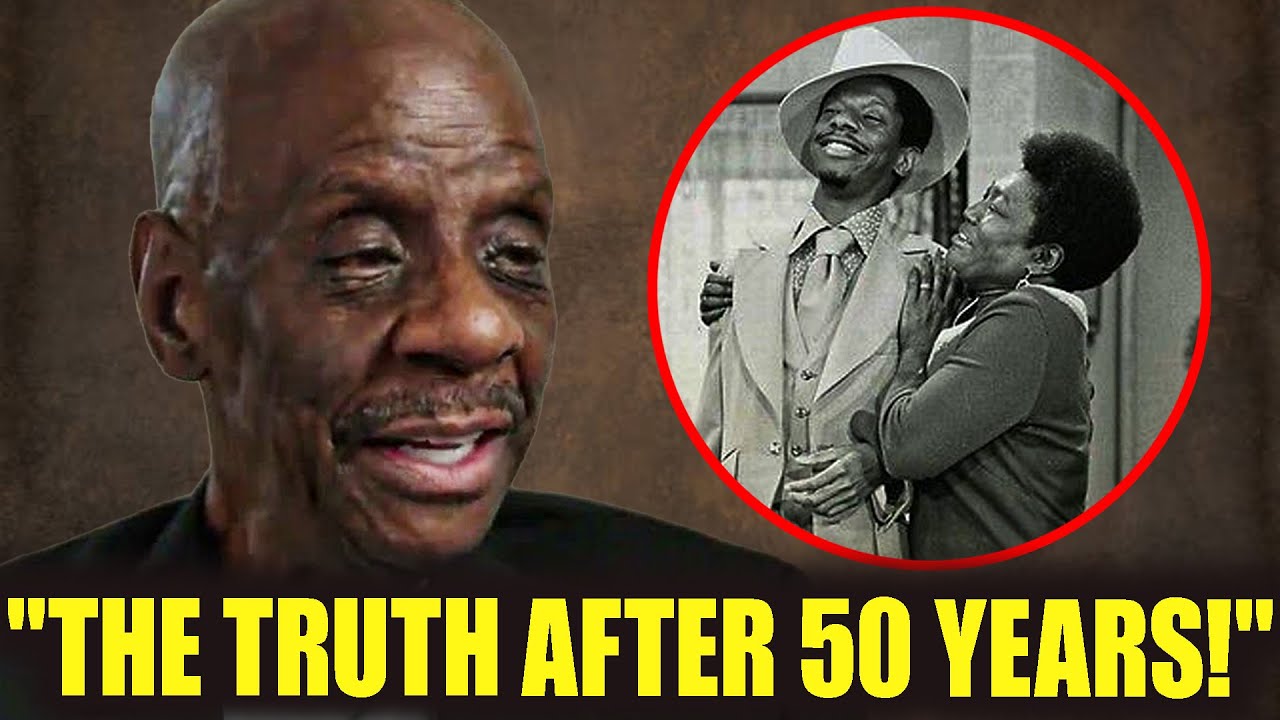 However, his passion for stand-up comedy soon took center stage, leading him to perform at small venues in the early 1970s. It was during this time that he caught the eye of producers, ultimately landing the role of James “JJ” Evans Jr. on “Good Times,” which aired from 1974 to 1979.
“Good Times” was groundbreaking, depicting the realities of a working-class African-American family in Chicago. The show resonated with millions, blending humor with poignant messages about family and community resilience. Walker’s portrayal of JJ sparked a cultural phenomenon, making his catchphrase a staple in American pop culture.
But behind the laughter, tensions simmered between Walker and his co-stars, particularly Esther Rolle, who played the family matriarch, Florida Evans.
Rolle was not just a co-star; she was a formidable actress with a vision for authentic representation of African-Americans. Raised in a large family in Florida, she carried values of resilience and dignity throughout her career. She made her mark on stage before bringing Florida Evans to life, aiming to showcase the strength and struggles of black families.
 However, as JJ’s character became more comedic, Rolle and fellow cast member John Amos voiced concerns that the show was losing its depth and purpose.
The artistic clash between Walker and Rolle led to significant rifts, with both actors holding strong to their beliefs about the show’s direction. Their disagreements were never fully resolved, leaving a complex legacy behind “Good Times.”
Now, in a moment of reflection, Walker has opened up about his relationship with Rolle, acknowledging that their conflicts stemmed from differing artistic visions rather than personal animosity. He expressed newfound respect for her commitment to portraying the dignity of her community, realizing that her fight was for something greater than individual success.
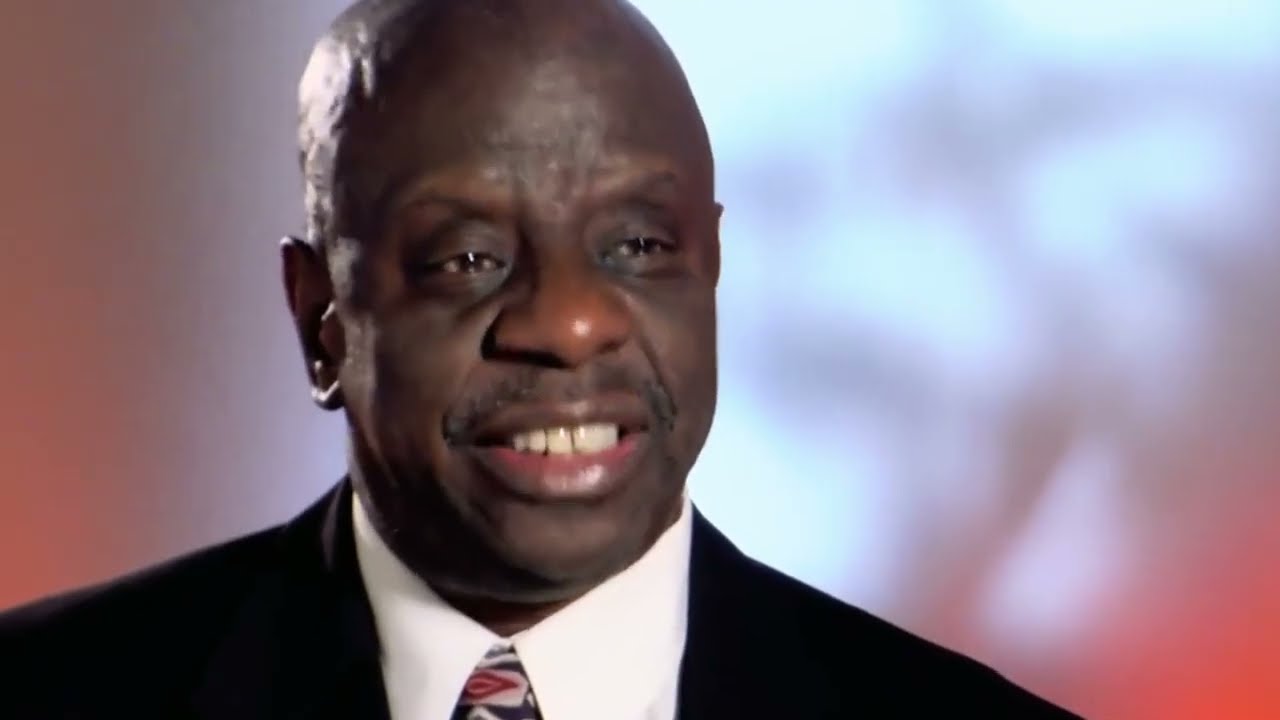 Walker’s revelations reveal a mature understanding of their past, filled with regret for not reconciling while Rolle was alive. He now appreciates how her steadfastness brought depth to “Good Times,” transforming it from mere entertainment into a significant cultural commentary.
Beyond the legacy of “Good Times,” Walker’s career has seen its ups and downs. After the show, he faced typecasting challenges but continued to perform, showcasing his comedic talents in various projects. In recent years, he has also become a notable voice in political discussions, sharing his perspectives candidly.
However, it’s his personal revelations that have captured public attention. From never marrying to his outspoken political views, Walker has opened up about aspects of his life that contrast with his on-screen persona.
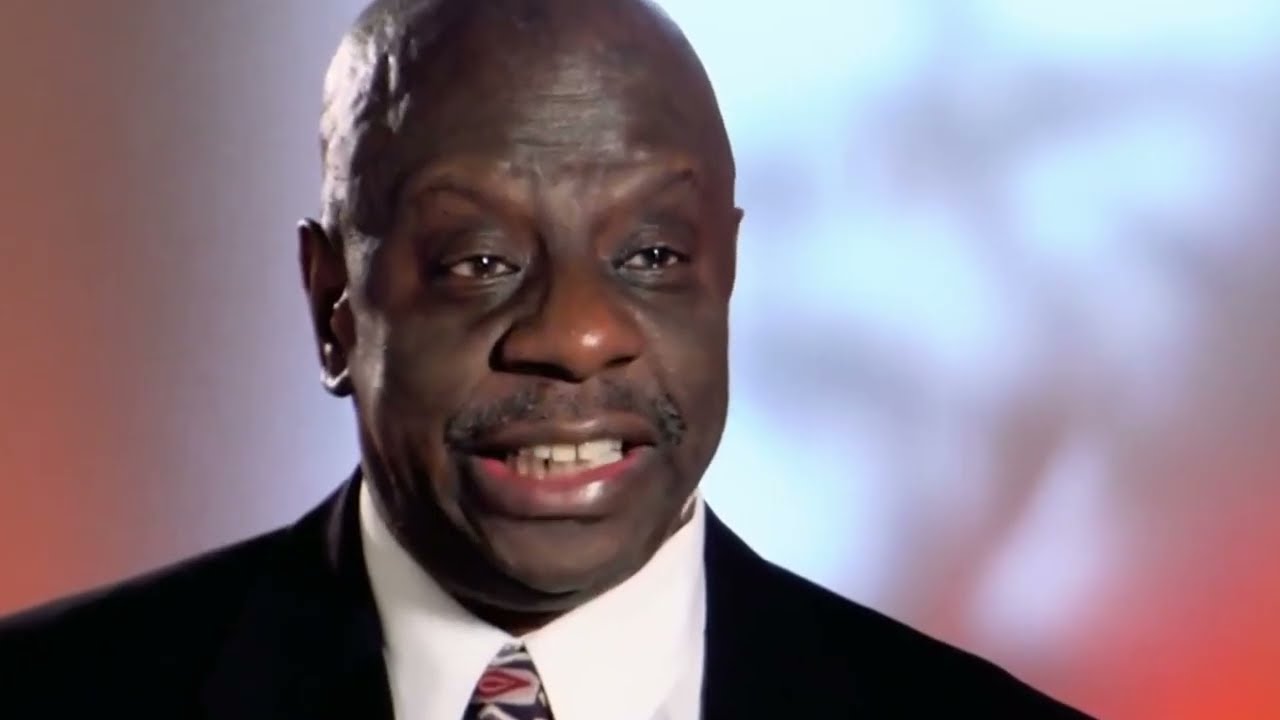 As he reflects on his journey, Walker’s story serves as a poignant reminder of the complexities of relationships in the entertainment industry. It highlights the importance of understanding and appreciating those who share the spotlight, even amid disagreements.
What do you think about Jimmie Walker’s reflections on his relationship with Esther Rolle? How do you feel their dynamic shaped “Good Times”? Share your thoughts below!