Death in Paradise shocks fans once again as every lead detective continuously leaves the island, fueling intense speculation about the curse of Saint Marie. This relentless turnover, far from weakening the show, reveals a compelling narrative device – the island breaks and remakes each detective, forcing them to either escape or perish in paradise’s grip.
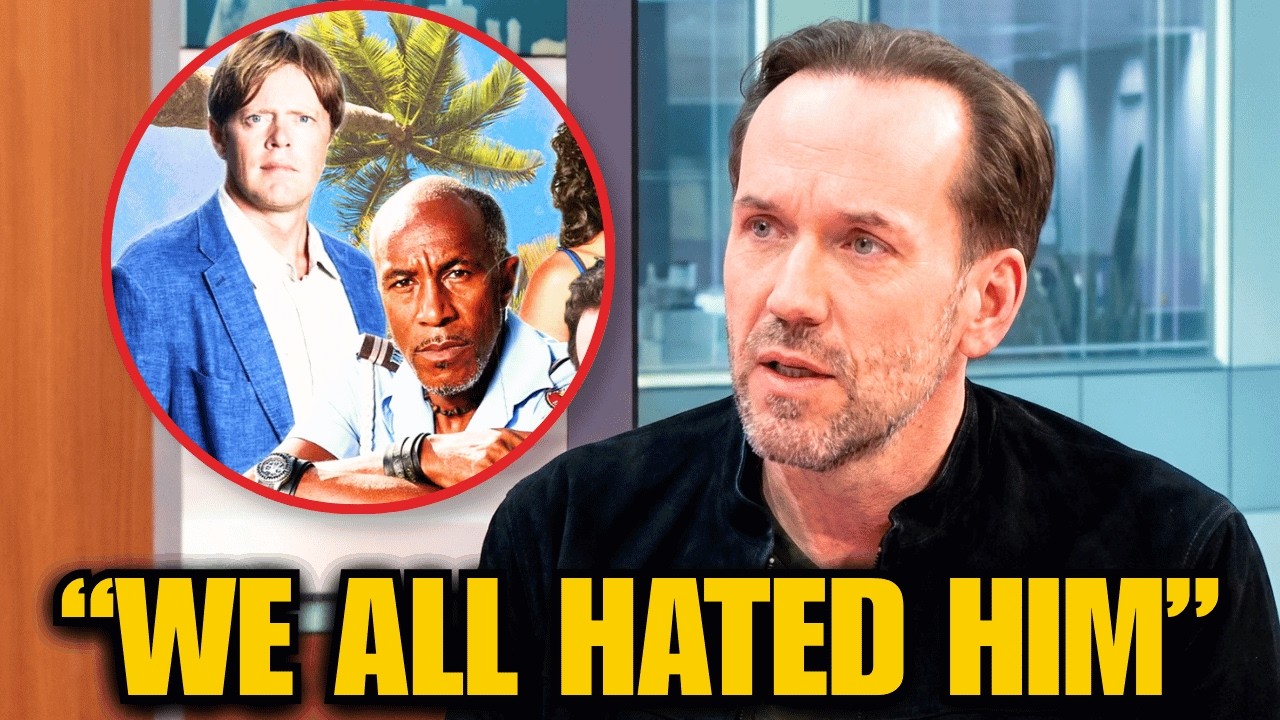
The British Caribbean island of Saint Marie, with its idyllic beaches and warm sunsets, masks a brutal truth: none of its detectives remain permanently. From the rigid Richard Poole’s 𝓈𝒽𝓸𝒸𝓀𝒾𝓃𝑔 murder to the emotionally fractured Neville Parker’s brave departure, Death in Paradise has transformed every exit into a pivotal, heart-wrenching event.
Richard Poole’s death stunned audiences early on, setting a dark precedent by killing the very figure meant to solve murders. His icy demise shattered the illusion of safety, making clear that no detective was indispensable. This brutal twist became a foundational shock, allowing the series to reinvent itself and survive beyond its original lead.
Humphrey Goodman’s arrival hardened the challenge: could the show survive beyond Richard’s death? The chaotic, warmly human Humphrey not only won over grieving fans but also demonstrated a new kind of resilience. His departure to “Beyond Paradise” shifted the narrative, proving leads could leave without alienating viewers.

Jack Mooney’s tenure marked a subtle shift to emotional healing. A widower seeking solace, Jack’s warmth and quiet strength contrasted earlier detectives’ unease. His choice to leave before grief could root him in one place illustrated the island’s transformative power – paradise as both comfort and catalyst for moving on.

Neville Parker embodied fear and vulnerability in Saint Marie’s relentless heat. Allergic to both island life and emotional risk, Neville’s extended growth arc made his departure feel earned, not abrupt. His final exit, stepping into love and new bravery, underscored the show’s evolving exploration of personal growth amid tropical murders.
Enter Mervyn Wilson, the latest detective to face Saint Marie’s harsh emotional tests. Unlike predecessors, Mervyn arrives defensive and emotionally guarded, promising fresh tension. His arrival reaffirms Death in Paradise’s formula: the island isn’t just a setting, it’s a crucible molding each detective through conflict, connection, and inevitable transformation.
Behind the scenes, the relentless cast turnover reflects grueling production demands. Filming months in Guadeloupe’s heat separates actors from families and limits career mobility. This practical reality fuels many departures, but the show’s deeper creative genius lies in turning character exits into powerful narrative rites, maintaining viewer engagement through renewal.
Death in Paradise defies television norms by rotating its lead detective repeatedly – a risky gamble that has become its secret weapon. Traditional crime dramas hinge on a single protagonist; here, the island itself holds the spotlight, an unchanging character that outlasts and reshapes all who come to solve its crimes.
Supporting characters also cycle through, reinforcing the show’s dynamic heartbeat. From Camille’s ambition-driven exit to JP’s family-focused departure, these changes prevent stagnation and preserve emotional anchors. Commissioner Selwyn Patterson’s enduring presence provides essential continuity, binding eras together and grounding the island’s evolving story.

The show’s expanding universe, with spin-offs like Beyond Paradise and Return to Paradise, proves Death in Paradise is no mere sitcom-style whodunit. It is a flexible format centered on displacement and discovery, where each departure enriches the franchise’s emotional depth and narrative potential rather than eroding its fan base.
Each detective leaves Saint Marie marked and changed, delivering unique legacies that fuel continuing audience passion and debate. Richard’s strict standards, Humphrey’s warmth, Jack’s maturity, Neville’s courage, and now Mervyn’s defiance create a layered mythology essential to the show’s survival and renewal.
This cycle of arrival, transformation, and departure underscores a profound thematic core: Saint Marie is both paradise and crucible, paradise and trap. It nurtures and tests fragile souls, revealing who they truly are when stripped from their known lives, ensuring Death in Paradise remains endlessly compelling and urgently relevant.


