An extraordinary revelation has unsettled fans of the classic 1960s sitcom The Munsters with a rediscovered color pilot featuring an entirely different wife and a wilder version of Eddie. This lost footage exposes a bizarre behind-the-scenes struggle involving casting upheavals, drastic creative shifts, and hidden tragedies that shaped the show’s final form.
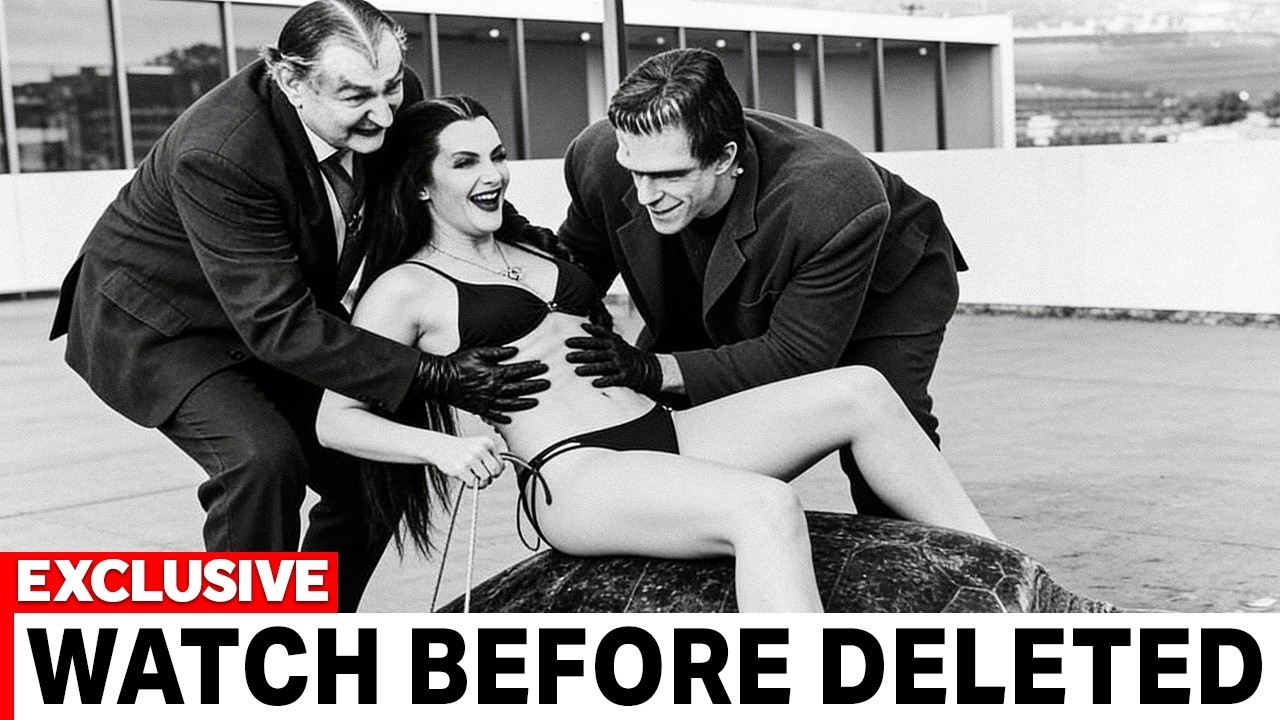
The footage, filmed in 1964, shows a version of The Munsters that feels immediately off. The setting and characters look familiar—the gothic house, the iconic staircase, Herman’s towering flathead—but the woman standing beside Herman is not the beloved Lily. Instead, it is Phoebe Monster, a colder, more distant figure played by Joan Marshall who was ultimately replaced.

Alongside Phoebe’s unsettling presence, the clip’s vibrant color is striking, standing in stark contrast to the monochrome black-and-white broadcasts the public remembers. This pilot was shot in color but abandoned, as CBS and Universal pivoted to black-and-white to cut costs and evoke the atmosphere of Universal’s classic monster films from the 1930s.
The wild differences extend beyond just Phoebe. Eddie Monster, originally portrayed by Nate Dur, is feral and snarling, far from the gentle child later played by Butch Patrick. This fierce iteration pushed the family tone into darker territory, which producers feared could alienate audiences, prompting them to recast and reshape Eddie into a more conventional sitcom youngster.
The abandoned pilot, titled My Fair Monster, survives in two versions—one in color and one mostly black-and-white, with extended scenes. Both versions reveal a discordant mood and tension among the cast, particularly in the rocky, strained depiction of Herman and Phoebe’s marriage, far from the warm domestic comedy fans cherish.
This radical recasting was prompted in part by competition. Only six days before The Munsters debuted on CBS in 1964, ABC premiered The Addams Family. Both series exploited the same cultural fascination with spooky, offbeat families. Universal’s advantage lay in owning the classic monster rights, but to compete, The Munsters had to hone the tone distinctly.
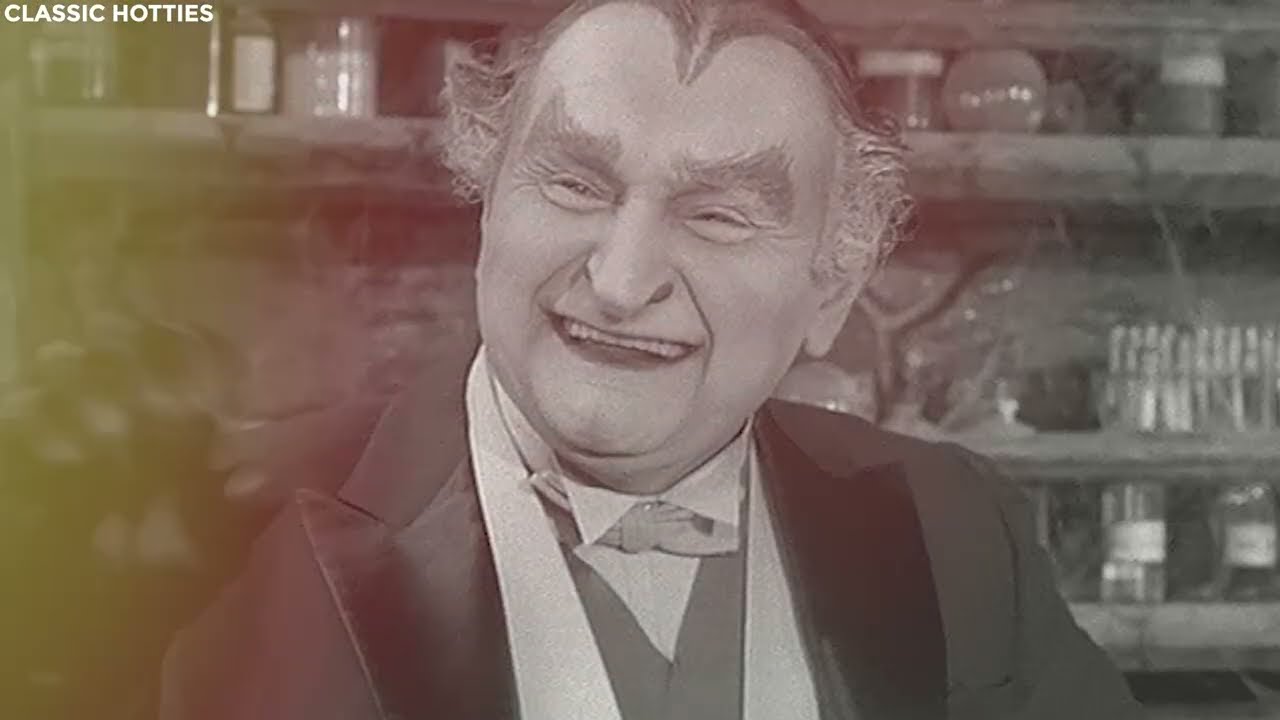
Joan Marshall’s Phoebe was scrapped due to her resemblance to Morticia Addams, forcing a rewrite and replacement with Ivon D’Carlo’s warmer, softer Lily. Initially doubted by co-stars Fred Gwyn and Al Lewis, D’Carlo ultimately became an irreplaceable figure, embodying the familial affection at the heart of the sitcom’s humor and appeal.
Behind the scenes, remarkable contrasts defined the cast. Al Lewis, playing Grandpa, was actually younger than Ivon D’Carlo, his on-screen daughter. Fred Gwyn, underneath Herman’s monstrous prosthetics, endured intense physical hardship wearing a 50-pound foam rubber suit with heavy boots that pushed his height past seven feet, face painted in bright purple.
Gwyn’s grueling costume weighed down his body, causing dehydration and back pain under hot studio lights. Between takes, crew members cooled him with compressed air hoses inserted into his collar, a surreal image behind the familiar comedic character beloved on screen. His dedication under such conditions elevated Herman’s performance immeasurably.
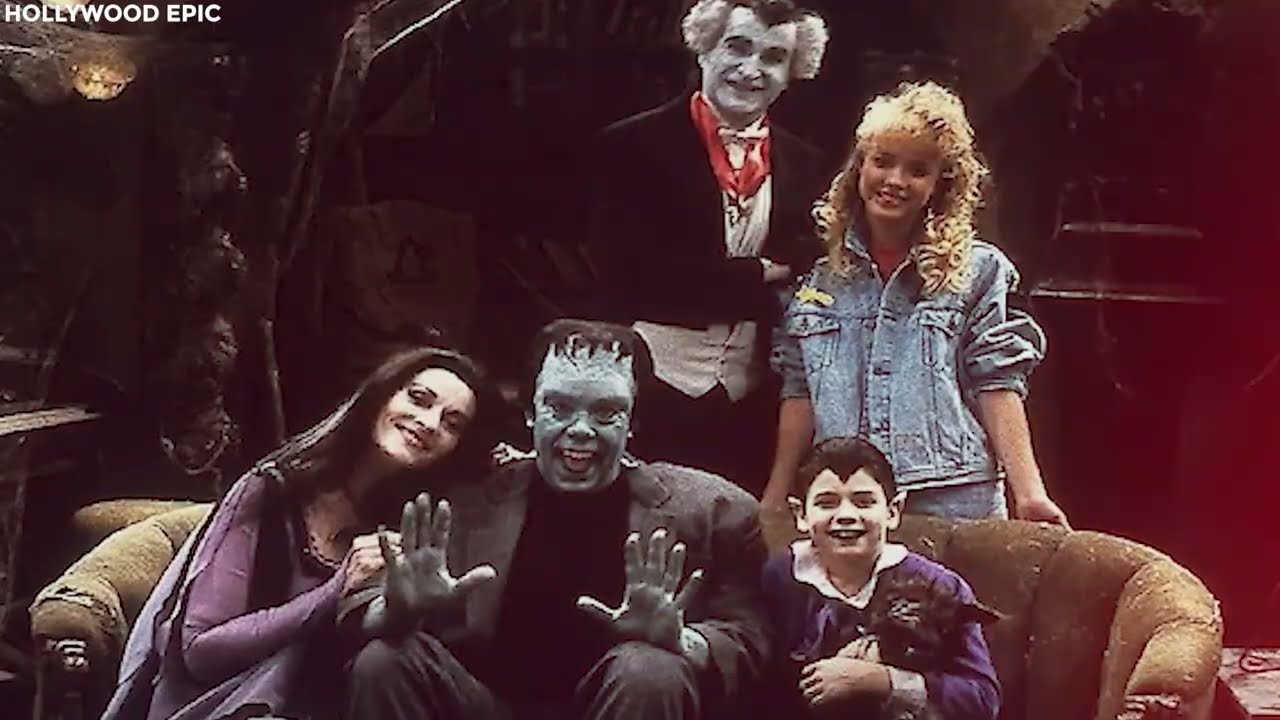
Beverly Owen, the original Marilyn Monster, faced personal turmoil during filming. Torn between her fiancé in New York and a demanding studio contract that threatened legal action if she quit, she endured 13 episodes of emotional distress marked by tears between scenes. Her forced smile concealed deep unhappiness until she finally left the series.
After Owen’s exit, the show delicately eased viewers into the transition by retaining Marilyn’s signature headband when Head Priest assumed the role. This subtle touch helped audiences adjust seamlessly to the casting change, illustrating the show’s careful balance between its offbeat monster family and relatable suburban sitcom format.
The Mu nsters’ transformation from this troubled, colorful pilot to the black-and-white classic took place amid strong network pressures and sharp creative decisions. The cost-saving choice to film in black and white not only honored the Universal horror legacy but also gave the series a distinctive aesthetic that reinforced its humor and nostalgic appeal.
This fascinating backstory illuminates how nearly forgotten production struggles, casting controversies, and fiercely competitive timing shaped The Munsters’ legacy. The original vision’s raw edges were smoothed away, giving rise to a beloved family that remains an indelible part of television history, carrying traces of its complex and surprising origins.