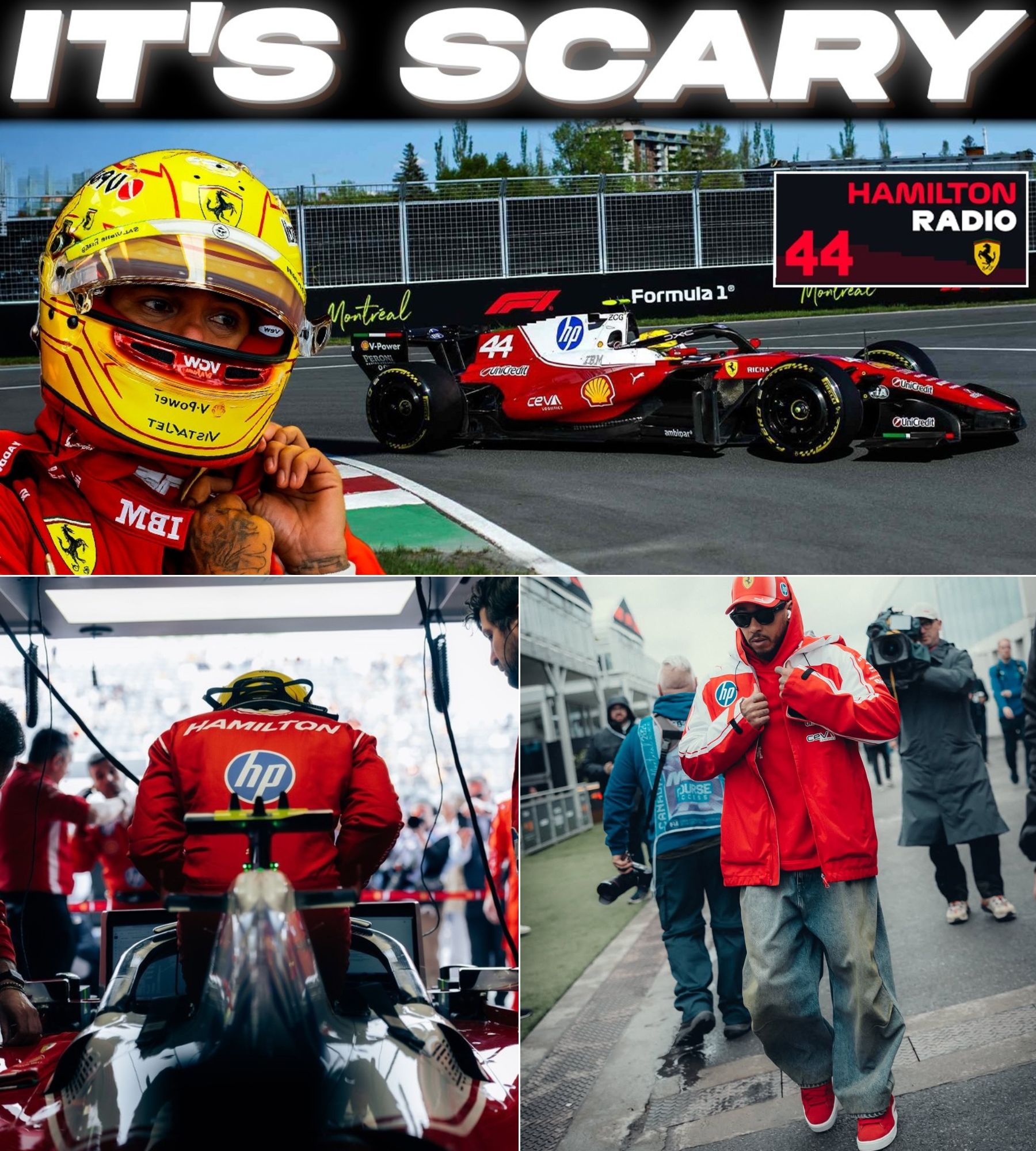
Tensions are running high at Ferrari following the recent Canadian Grand Prix, where Lewis Hamilton’s radio communications revealed a troubling reality for the team. While Hamilton crossed the finish line with a smile, his messages during the race hinted at deeper issues within Ferrari’s SF26, particularly concerning its power output.
 As Hamilton battled for a podium finish against Max Verstappen, Charles Leclerc found himself trapped in what he described as one of the most challenging weekends of his career. Despite being part of the same team and driving the same car, their experiences were worlds apart. Reports suggest that Ferrari may be down as much as 20 to 25 horsepower compared to Mercedes, a significant deficit in the highly competitive world of Formula 1.
The Canadian circuit is notoriously tough on engines, with its relentless demands exposing any weaknesses. Hamilton quickly noticed the SF26’s struggles on the straights, likening it to sprinting with resistance bands. While he began to trust the car’s handling in corners, the lack of power left him frustrated, unable to capitalize on his improved confidence.
 In contrast, Leclerc spent much of the race stuck in traffic, unable to execute overtakes due to the car’s insufficient speed. As tire temperatures fluctuated and dirty air became an issue, his confidence waned, leading to a disheartening performance. Hamilton, however, adapted his strategy, managing his race intelligently and compensating for the power deficit, a move that did not go unnoticed by Ferrari’s engineers.
The aftermath of the race revealed a stark emotional divide within the team. Hamilton emerged optimistic and energized, while Leclerc expressed exhaustion and frustration. This shift in dynamics could have significant implications for Ferrari’s future, especially as they grapple with their engine performance issues.

The situation became even more complex when George Russell’s retirement from the lead brought a safety car into play, giving Hamilton a chance to pit for fresh tires. For a brief moment, it seemed like Ferrari might capitalize on the opportunity. Yet, the underlying engine problems persisted, hindering Hamilton’s ability to apply pressure on Verstappen when it mattered most.
 As Hamilton’s frustration grew, it became clear that he was acutely aware of the limitations imposed by the SF26’s engine. Meanwhile, Leclerc’s struggle with confidence could have lasting effects on his performance moving forward. The contrast between the two drivers’ experiences raises questions about the internal dynamics at Ferrari and how they will navigate this challenging season.
Looking ahead, the next race in Monaco could provide a unique opportunity for Ferrari. The circuit’s characteristics may downplay the impact of their engine deficit, allowing Hamilton to leverage his newfound confidence. If he can perform well there, it might shift the narrative surrounding Ferrari and their championship aspirations.
Yet, the looming question remains: can Ferrari resolve their engine issues before the mounting pressure begins to fracture the team? The stakes have never been higher, and the answers could reshape the entire season.