Tiger Woods’s meticulously controlled life unraveled dramatically after a severe car crash near his Jupiter Island mansion, exposing cracks in his dominance beyond golf. Inside his sprawling estate, designed for precision and privacy, signs of disarray revealed a man grappling with pain and loss of control, unmasking a deeper personal crisis.

Tiger Woods’s Jupiter Island mansion, spanning nearly 26,000 square feet with its living quarters and multi-purpose training facility, was the epicenter of his disciplined regimen. Encompassing a private gym, extensive pools, and a golf course replicating the most grueling challenges, the estate symbolized peak athletic control and focus.
This estate was not just about luxury—every inch served a purpose: aiding physical recovery, maintaining an invincible routine. From oxygen therapy rooms to a strict layout eliminating distractions, Woods built a fortress to isolate himself, reinforcing his legendary discipline both on and off the course.
But on March 27th, that fortress seemed to falter. Woods lost control on a Jupiter Island private road when his Land Rover collided with a utility truck and flipped. Despite escaping serious injury, his condition immediately raised alarms—he was lethargic, confused, and evidently impaired.
Breathalyzer tests showed no alcohol, deepening suspicions of impairment from other substances. Woods revealed he was recovering from a recent Achilles tendon surgery and was in possession of hydrocodone pills. This prescription opioid, critical for pain management, also impairs cognitive function, possibly contributing to the crash.

The incident echoed a haunting pattern. Years earlier, Woods was found unconscious behind the wheel due to prescriptions’ side effects—a grim reminder of the collision between elite athletic recovery and risky medication use. That past caused legal fallout and serious concerns over Woods’s health.
Upon release from custody eight hours later, Woods returned to his mansion under close security. Yet, scenes of his home left insiders stunned: the front glass door left ajar in the predawn hours—a glaring deviation in an environment carefully engineered for control and privacy, signaling mental or emotional turmoil.
The open door was more than a simple oversight. It symbolized a fracturing of the self-discipline that had defined Woods’s career and personal life. In a property where every move was watched and regulated, leaving entry unsecured highlighted disorientation and exhaustion after the traumatic sequence.
Woods’s current reality starkly contrasts his peak years. Multiple surgeries, intense pain management, and forced lifestyle changes have transformed his daily routine. His physical limitations and reliance on strong prescription medication have introduced uncertainties and vulnerabilities previously unseen in the athlete’s life.
The intersection of injury, recovery, and medication presents a complicated challenge that extends beyond the physical. Woods’s case highlights how elite athletes’ transitions from performance to rehabilitation entail cognitive and emotional obstacles that disrupt even the most entrenched habits of discipline.

This is not merely about Woods’s March crash. It reveals a crisis in preserving control amid chronic pain and healing. The mansion, once a sanctuary of order, became a testament to instability—where even simple tasks like securing the front door went neglected in the absence of a robust external structure.
For Woods, whose identity was forged through relentless precision, this shift is profound. It underscores the immense psychological toll of injury and the fragility beneath the veneer of success. His situation exemplifies how the physical and mental dimensions of recovery are inseparably entwined and challenging to navigate.
The lingering questions extend beyond legal technicalities or medical explanations. Woods’s silence post-release, the visible cracks in his private world, and the stark contrast to his once impervious control spotlight an ongoing struggle, making this more than an isolated incident—it’s a pivotal moment in his journey.
This event compels a reassessment of how athletes cope with injury and pain management under intense pressures. Woods’s fallibility underlines the dangers inherent in prescription 𝒹𝓇𝓊𝑔 reliance and the difficulty in maintaining a structured life when the core foundation—physical ability—is compromised.
As Woods faces legal charges for DUI and test refusal, his long-term recovery and well-being remain uncertain. The pressures of rehabilitation compounded by medication effects call for close observation, both for his health and for understanding the broader implications on athlete welfare and safety.
Ultimately, what was discovered inside Tiger Woods’s mansion that night was not a hidden secret but a raw vulnerability. It was the 𝓮𝔁𝓹𝓸𝓼𝓮𝓭 fragility of a man whose greatest opponent had become the unpredictable nature of injury and recovery—not an external rival on the course.
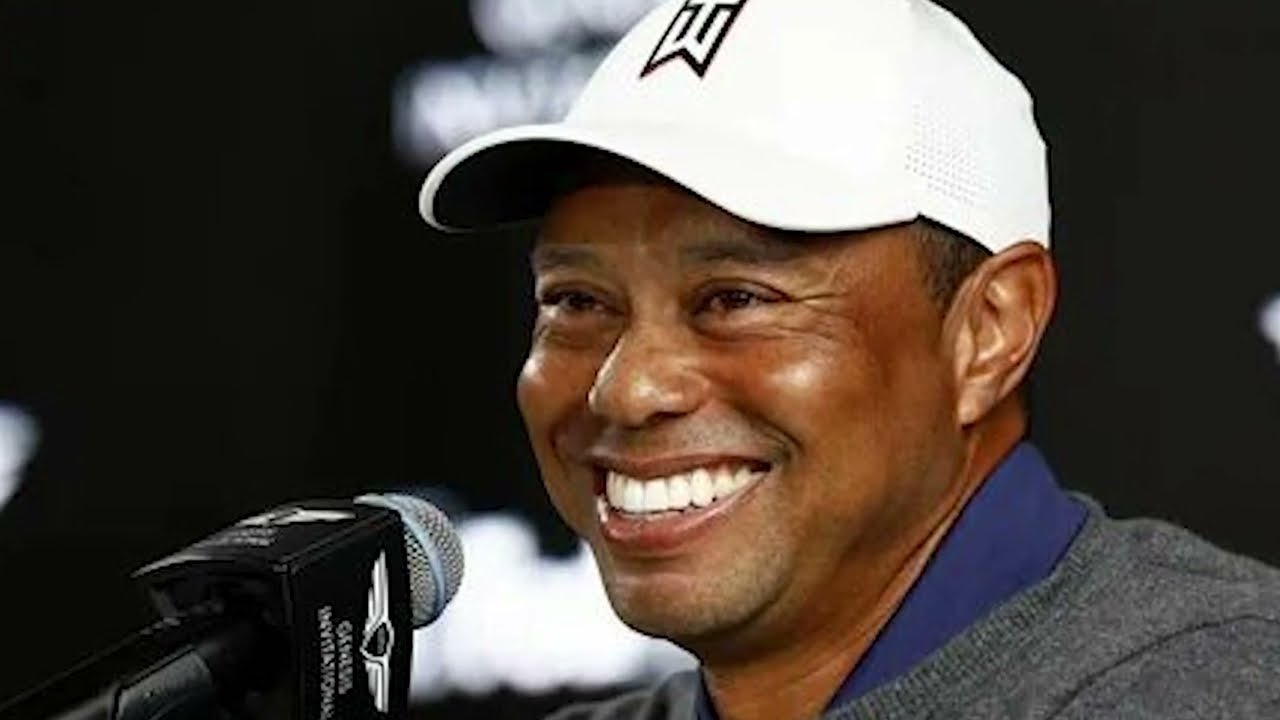
The narrative unfolding at Woods’s home and in his life forces us to confront the harsh reality of control lost and the profound human cost behind athletic excellence. His story now resonates as a cautionary tale about resilience, mental health, and the hidden battles beneath public triumphs.
As this developing story continues, the world watches a legend grappling not just with physical pain but with the unraveling of the very systems that once held him together. The true question remains: Can Tiger Woods reclaim the control that defined his legacy, or has that era quietly ended inside that open door?