Audie Murphy, America’s most decorated World War II soldier, reportedly harbored deep resentment toward Hollywood legend John Wayne—a tension rooted not merely in personal animosity but in the painful contrast between real combat experience and Hollywood’s glorified war myths. The complex truth behind Murphy’s feelings is more disturbing than previously believed.
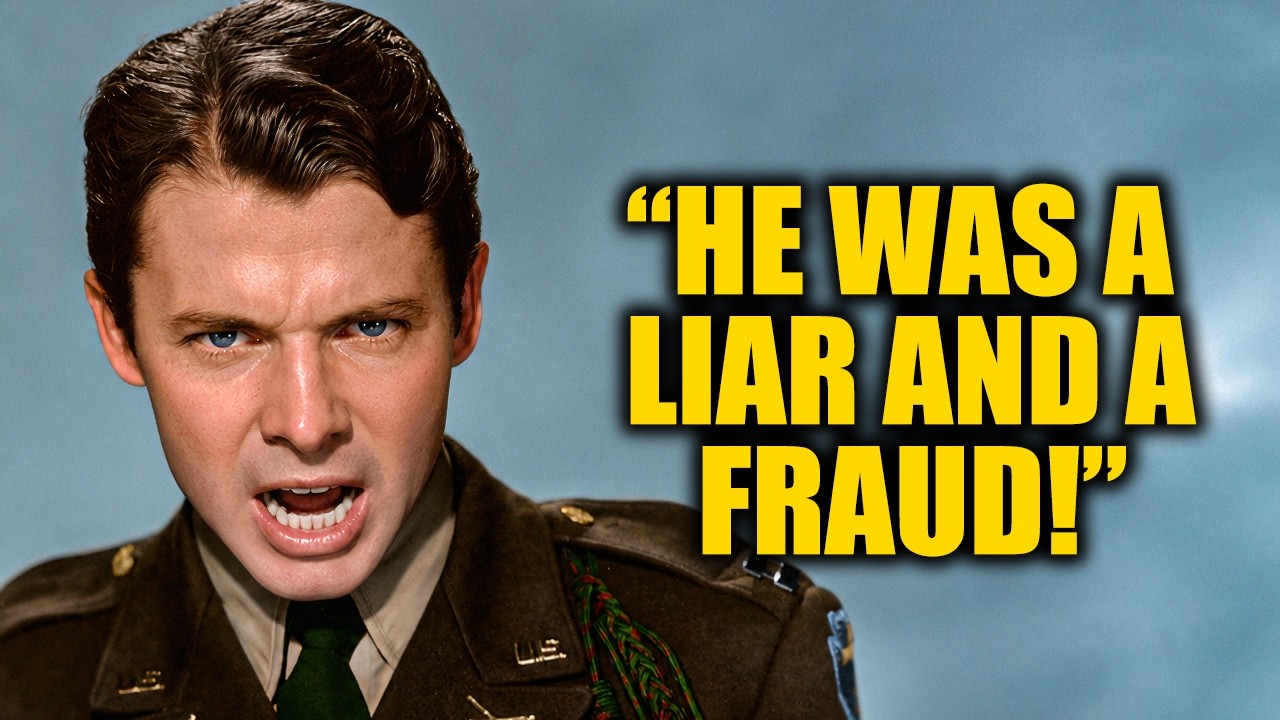
Murphy’s war record is legendary: wounded, fearless, and awarded the Medal of Honor for single-handedly holding off German forces in France. Returning to America, he was thrust into Hollywood, where studios sought to capitalize on his fame but struggled with his quiet demeanor and genuine combat scars. Murphy faced a harsh reality—Hollywood valued spectacle, not the raw trauma of battle.
John Wayne’s career followed a drastically different path. An iconic figure who never fought in World War II, Wayne portrayed American heroism on screen with bravado and confident ease. Though he sought military service, family, age, and studio priorities kept him off the battlefield. Wayne represented a comforting, cinematic ideal of war, far removed from Murphy’s brutal reality.

These contrasting experiences seeded Murphy’s frustration—not at Wayne personally, but at what he symbolized: a sanitized, heroic mythology that ignored the complex psychological toll war exacted on real soldiers. Murphy’s struggles with nightmares, insomnia, and post-combat trauma clashed against Hollywood’s demand for simple, marketable heroes like Wayne.
Murphy’s moment to challenge this narrative came with The Red Badge of Courage. Cast as a fearful, conflicted soldier, he had a rare chance to portray war’s grim reality. Yet studios sabotaged this quiet, honest portrayal by cutting and altering the film to a commercialized version, diluting its emotional power and further sidelining genuine soldier stories.
To Hell and Back, Murphy’s autobiographical film, was a commercial triumph, but behind the scenes, reliving these terrors fueled his personal demons. Financial setbacks, gambling, and attempts to confront his PTSD complicated his post-war life. Hollywood craved the hero image but shunned the human depths Murphy embodied, deepening his isolation and discontent.
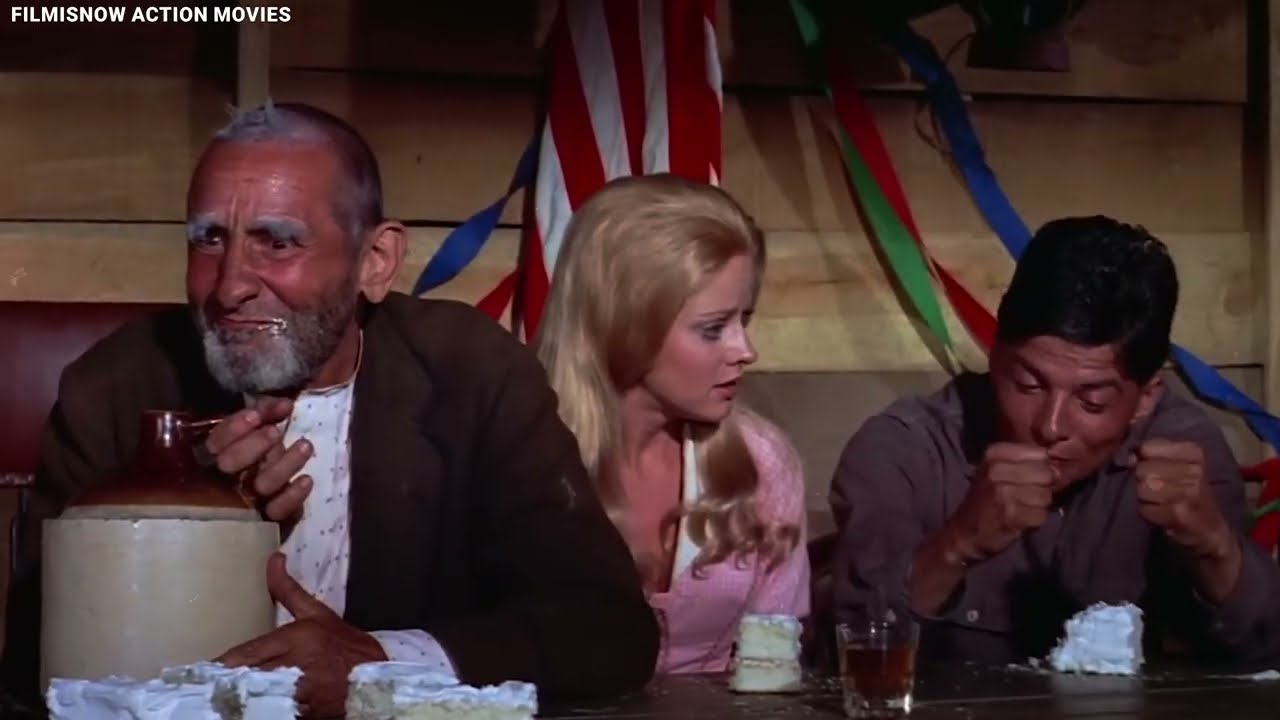
By the late 1960s, Murphy continued to advocate for veterans’ mental health, bravely publicizing the lingering wounds of combat. Meanwhile, Wayne maintained his status as America’s idealized war hero, championing patriotic crusades in film. The nation’s cultural divide sharpened the gap between their legacies, signaling a deeper societal discomfort with genuine veteran realities.
Murphy’s tragic death in 1971, in a plane crash at age 45, ended a life battled by both war and Hollywood’s conflicting demands. His burial at Arlington, a solemn tribute, marked recognition of his true sacrifice. Meanwhile, Wayne died in 1979, immortalized as a symbol of rugged American masculinity, honored with a Congressional Gold Medal.
The enduring controversy revolves around whether Murphy hated Wayne or the sanitized legacy Wayne represented. Evidence of personal hatred is scant; instead, Murphy’s frustration appears aimed at a culture that commodified heroism while ignoring the psychological cost of war veterans. Their stories illuminate a painful truth about fame, trauma, and memory.

Audie Murphy, a living embodiment of battlefield courage, struggled against Hollywood’s superficial heroism personified by John Wayne. Their intertwined narratives reveal the harsh divide between authentic experience and mythologized patriotism, exposing uncomfortable questions about how America honors its warriors and the price of true heroism beyond the spotlight.