In a riveting exploration of human extremes, the stories of the twelve biggest humans to ever live have resurfaced, revealing astonishing heights, colossal weights, and haunting legacies. From towering giants nearly nine feet tall to individuals bearing the mass of small vehicles, their lives were marred by medical mysteries and tragic endings that defy belief.
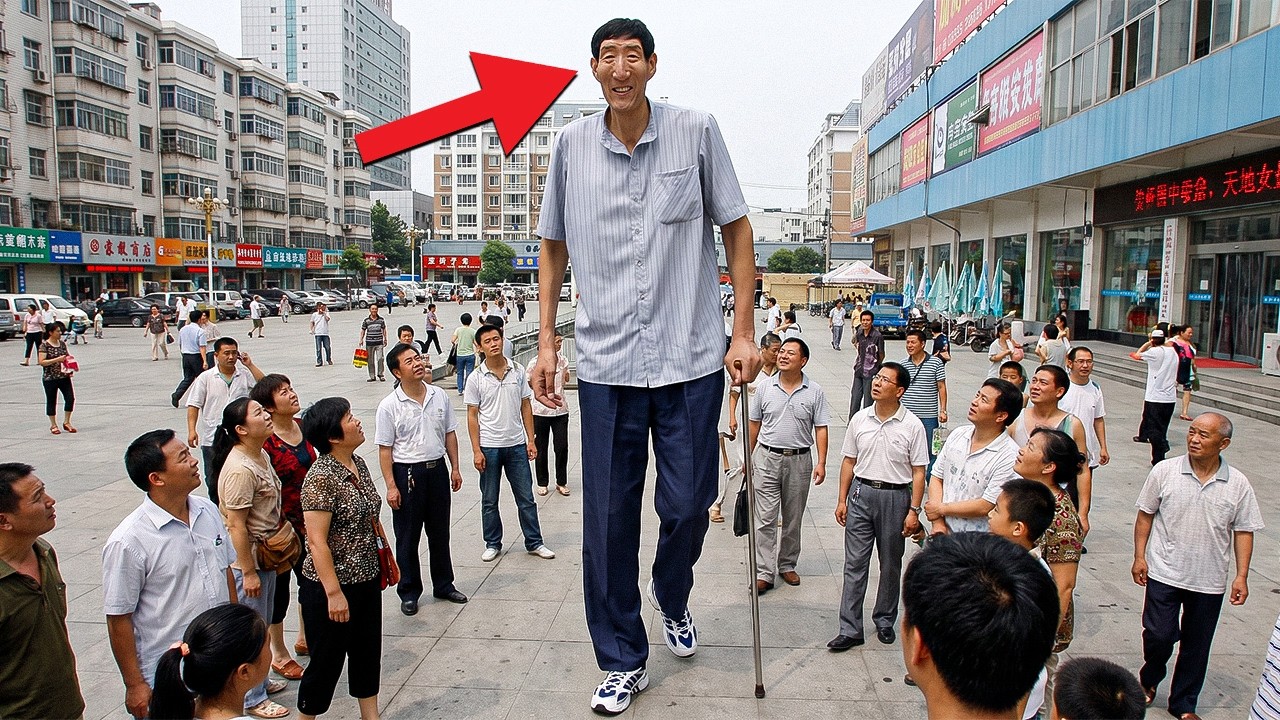
Robert Wadlow, the tallest human ever recorded at 8 feet 11.1 inches, captivated the world with his gentle nature despite his extraordinary size. Born in 1918 in Illinois, Robert suffered from pituitary gland hyperplasia, causing unchecked growth. By age five, he was already unusually tall, and this relentless growth led to serious health complications, including a fatal infection from a blister caused by his iron leg brace. He died tragically young at just 22 years old, his record likely never to be broken given modern medical advances.
John William Rogan, who reached 8 feet 9 inches, faced severe ankylosis, leaving him unable to walk in adolescence. Rejecting lucrative offers to appear in sideshows, Rogan instead carved out a dignified life selling portraits and working as a painter. His family’s decision to seal his grave in concrete was a grave measure to protect him from posthumous exploitation, underscoring the dark intersection of fame and humanity.
Zeng Jinlian, the tallest woman ever confirmed, soared to 8 feet 1 inch before severe scoliosis and diabetes confined her to bed. Born in China’s Hunan province, her rapid growth mirrored Wadlow’s condition but cut her life even shorter at just 17. Guinness failed to recognize her standing height, reflecting a cruel oversight of a life marked by extraordinary physical and personal challenges.
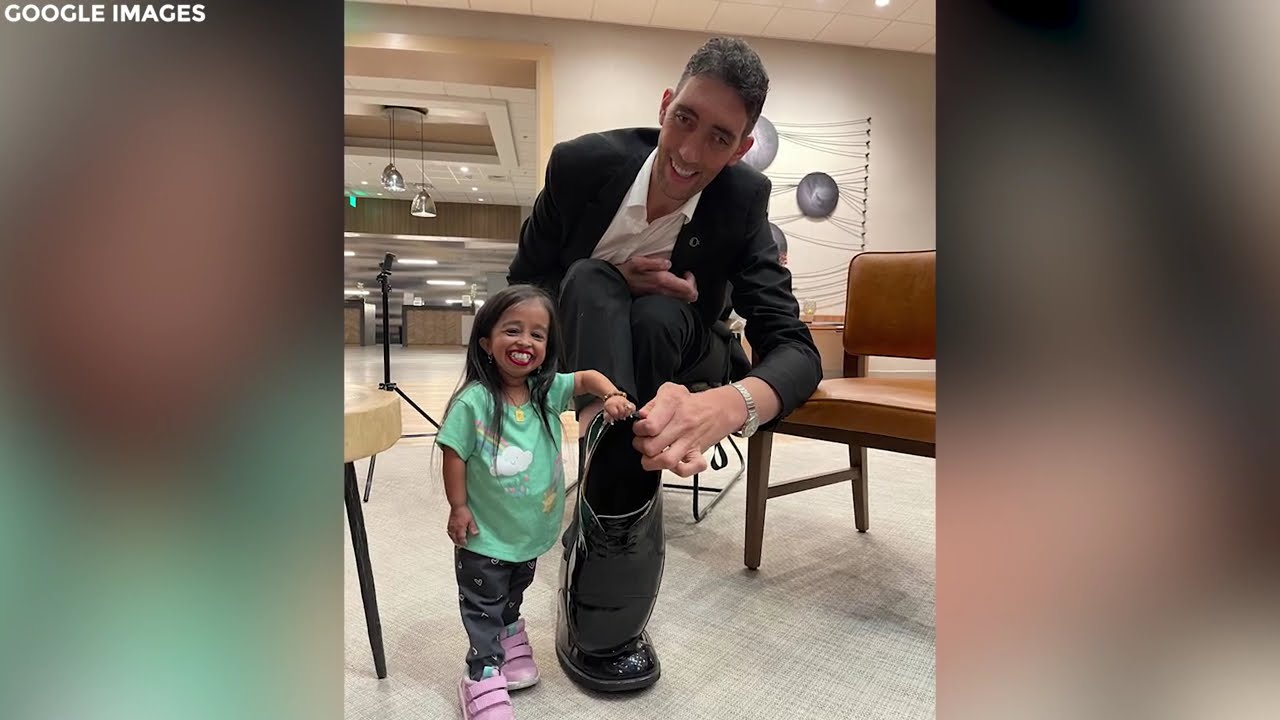
Historical accounts from the 17th century recall Trijntje Keever, who allegedly grew over 8 feet 5 inches in the Netherlands. Famed across Europe, she was exhibited at carnivals, but without modern verification tools, her story remains shrouded in legend and loss, emblematic of the fragile preservation of history surrounding gigantism.
Edouard Beaupré, a Métis strongman from Canada, stood 8 feet 2.9 inches and dazzled audiences with feats like horse lifting. His career ended prematurely, succumbing to tuberculosis at 23 during the 1904 St. Louis World’s Fair. His body’s decades-long display before finally being buried in 1990 reflects a somber captivity extending beyond life.
In an unparalleled military context, Finland’s Väinö Myllyrinne, towering at 8 feet 3 inches, served despite significant logistical challenges posed by his size during World War II. His story intersects the clash between human physical extremes and institutional rigidity, highlighting endurance on the battlefield and the strain of living in a uniformed world not designed for giants.

The astounding married giants Anna Haining Swan and Martin Van Buren Bates, towering nearly 8 feet each, represent both intimacy and tragedy. Their meticulously built home accommodated their colossal frames, yet the heavy toll of such stature continued with their children, one of whom tragically weighed an unprecedented 22 pounds at birth and did not survive infancy.
John Brower Minnoch’s journey into extraordinary weight exemplifies the extreme human conditions that challenge medicine and society. Tipping scales at an estimated 1,400 pounds, his life ringed with cardiac and respiratory crises, required immense care and logistics. His death in 1983 left a permanent record of the human body pushed to its limits.
Carol Yager, the heaviest woman recorded, has an enigmatic weight claimed as high as 1,600 pounds, though officially verified near 1,200 pounds. Her story, marked by severe obesity, invites urgent reflection on health, support, and society’s response to those 𝒄𝒂𝓊𝓰𝒉𝓉 in such extreme conditions, emphasizing compassion amidst statistics.
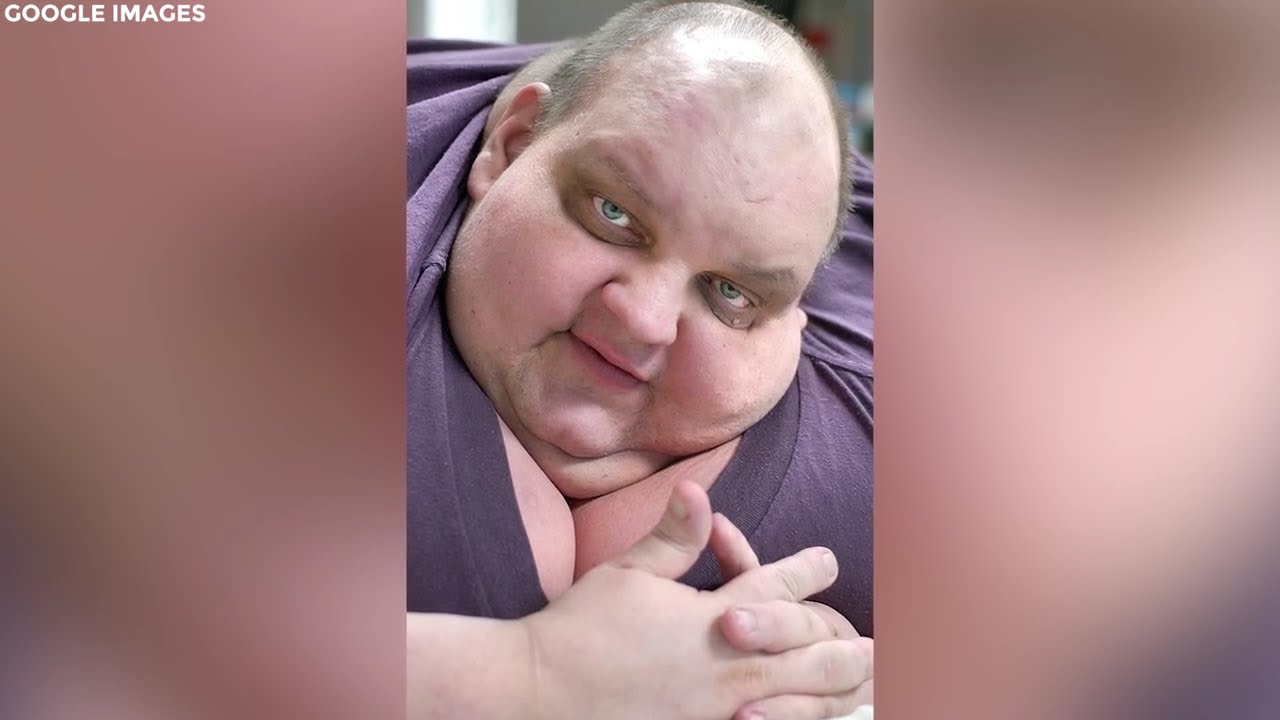
Khalid bin Mohsen Shaari’s modern saga is a striking contrast—a 5-foot-8 Saudi man weighing 1,370 pounds received unprecedented national intervention. His medical evacuation, weight loss exceeding 1,100 pounds, and ongoing survival highlight advances in treatment and societal care heretofore unavailable to predecessors like Minnoch.
Robert Earl Hughes, renowned for the largest human chest circumference ever recorded at 10 feet 4 inches, endured a life in the carnival circuit before dying young at 32. Misconceptions about his burial in a piano case persist, but his legacy is a powerful reminder of the line between spectacle and humanity.
Each life among these giants unfolded at the intersection of awe and tragedy. Their towering physiques and unprecedented weights attracted wonder, but the personal costs were profound and often fatal. Beyond records and measurements lies the indelible human story—struggle, dignity, and the urgent need for compassionate understanding.