Eustace Conway, famed for his rugged independence on “Mountain Men,” faces a heartbreaking collapse of his lifelong dream as legal battles and regulatory pressures threaten Turtle Island Preserve, the sanctuary he built to embody primitive living. The mountain man’s fierce resistance to modern codes spirals into a fragile, costly compromise that reshapes his legacy.
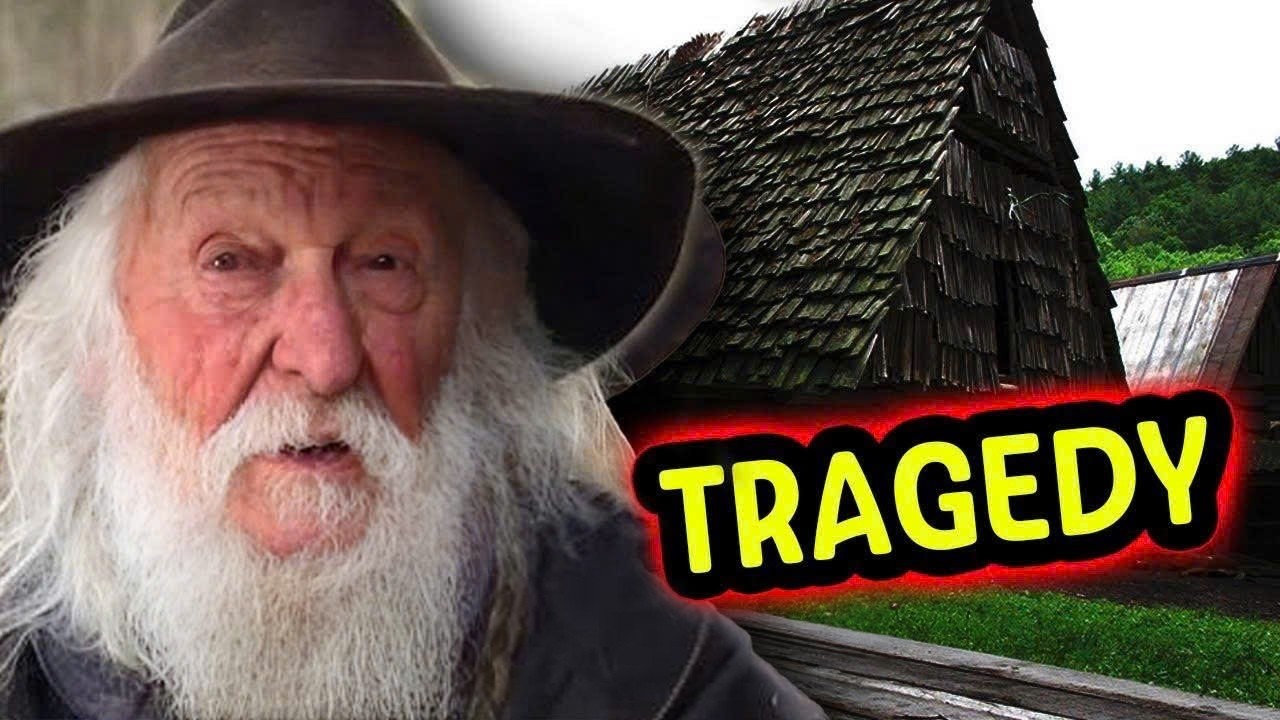
Eustace Conway’s journey from a traditional Southern upbringing to a national symbol of off-grid survival is nothing short of extraordinary. By age 17, he had abandoned conventional life, embracing a raw wilderness existence in a tipi, determined to master survival untouched by modern comforts.
His feats—like hiking the Appalachian Trail and a contested horseback journey across the U.S.—cemented his frontiersman image. Yet, beneath these tales lay contradictions that would foreshadow his complex reality, one marked by blurred lines between myth and fact.

In 1987, Conway’s vision crystalized with the purchase of 107 acres in North Carolina, evolving into Turtle Island Preserve. This ambitious sanctuary aimed to demonstrate living in harmony with nature, teaching ancient skills and championing sustainability, attracting visitors worldwide.
However, Turtle Island’s primitive ethos clashed with contemporary laws. Structures built using traditional methods failed to meet stringent modern codes. This mismatch ignited controversy, exposing the operational fragility of a retreat that depended increasingly on public interaction for survival.
Television fame arrived with “Mountain Men,” amplifying Conway’s legend yet intensifying scrutiny. While the show portrayed a wild man’s struggle, the reality involved legal disputes rooted in a serious injury lawsuit, forcing Conway to mortgage land to meet financial obligations.
The mounting legal pressures culminated in a sharp confrontation with Watauga County authorities. Inspections revealed numerous buildings not compliant with safety codes, leading to restricted access, halted public programs, and a threatened shutdown of Conway’s environmental and educational mission.
Conway’s fight transcended mere regulation compliance. He portrayed it as a defense of personal freedom against government overreach, asserting his right to teach and live by ancestral methods, challenging modern systems that he believed undermined authentic human connection to the land.
Public opinion polarized. Supporters saw Conway as a martyr resisting an intrusive bureaucracy, while critics emphasized the necessity of safety standards given public access. National attention turned Turtle Island’s local dispute into a broader debate on independence and responsibility.
Pressure mounted for a resolution. State lawmakers responded with tailored legislation exempting certain primitive structures from modern codes, a law unanimously passed and signed by Governor Pat McCrory. This legislative victory allowed Turtle Island to reopen but marked a pivotal shift.
Survival meant compromise. Turtle Island transitioned from a pure off-grid experiment into a hybrid model reliant on paying visitors, interns, and media exposure. Conway himself adapted, blending traditional living with practical concessions, embodying the tension between idealism and reality.
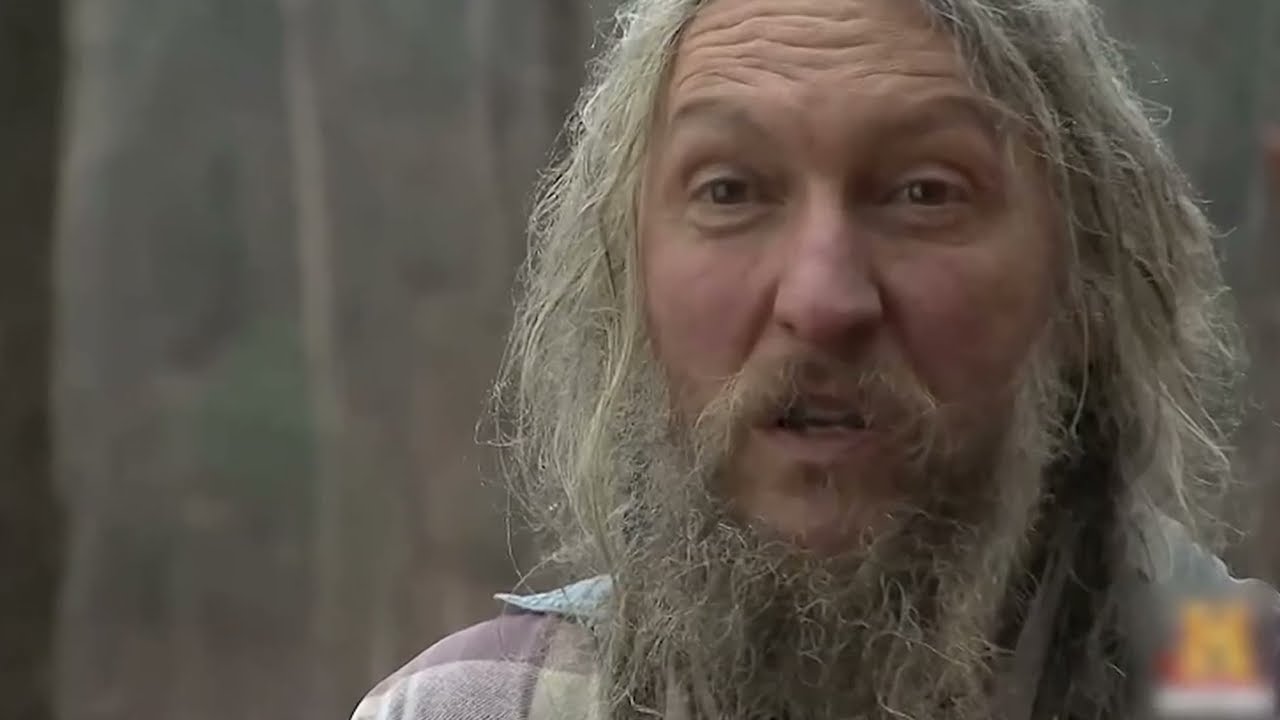
Conway conceded that his “last American man” persona was partly performance, crafted to inspire and sustain the preserve. The tragic irony lies in his lifelong rejection of modern society morphing into a dependent relationship with the systems he sought to evade.
Today, Turtle Island endures, a testament to resilience and adaptation. Conway continues teaching ancestral skills, but the dream he chased has transformed, revealing the harsh realities of sustaining a primitive life within a modern, regulated world.
His story underscores a broader truth: true independence rarely exists untouched by external forces. Conway’s plight raises urgent questions about the survival of alternative lifestyles amid legal and societal frameworks designed for uniformity and control.
Eustace Conway’s tragedy is not a single event but a gradual unraveling of pure freedom into negotiated existence. His legacy challenges us to reconsider the cost of autonomy when confronted with the unavoidable realities of law, safety, and public expectation.
As legal battles fade into a complex compromise, the man once seen as a natural lone wolf reveals himself as a figure 𝒄𝒂𝓊𝓰𝒉𝓉 between two worlds—striving to protect a fading way of life while navigating the demands of modern civilization.
The heartbreaking saga of Eustace Conway is a stark reminder that even the most determined spirits are vulnerable to the pressures of contemporary society. Turtle Island’s survival depends not just on wilderness skills but on legal battles fought far from the forest’s edge.
What began as an escape from modern life has become a negotiation with it. Conway’s endurance story speaks volumes about the cost of living authentically in today’s world—a world that both romanticizes and refuses the wild life he embodies.
The legacy of Turtle Island Preserve now stands as more than a homestead; it is a battleground for values, autonomy, and the survival of an ancient way of life in the face of relentless systemic control and modernization.
Conway’s battle is far from over. His fragile victory through legislative change signals ongoing tensions as traditional living faces relentless scrutiny from safety-conscious authorities and a society conflicted over freedom versus regulation.
The Mountain Men star’s fate illustrates the complexities of enforcing ideals in a world governed by regulations ill-suited for nonconformity. Conway’s story is a cautionary tale of how legend and law collide, with real-life consequences for pioneering spirits.
As Turtle Island reopens under new legal frameworks, the balance between preservation and progress hangs in the balance. Conway’s experience shines a light on the challenges of pioneering alternative lifestyles today, fueling debate on the limits of independence.
Ultimately, Eustace Conway’s heartbreaking ordeal underscores the fragile nature of dreams that reject modernity. His life reflects the painful reality that survival is not just about courage in the wild but navigating the wilds of societal expectations and legal constraints.

In this critical chapter of his life, Conway confronts the paradox of fame aiding his cause while simultaneously inviting scrutiny that threatens his sanctuary. Turtle Island symbolizes both resistance and compromise, a duality marking the modern American frontier.
This urgent story continues to unfold, with broader implications for those eyeing a return to simpler, self-sufficient living. Conway’s experience may well define the future viability of such pursuits in a world dominated by regulation and media spectacle.
Eustace Conway’s journey compels us to examine how modern society negotiates or suppresses visions of autonomy, revealing the deep costs embedded in pursuing freedom on one’s own terms amidst complex institutional realities.
His story is not just about a man or a mountain but about the universal struggle between individual will and societal order, a conflict as old as civilization itself, played out in real time on the rugged edges of America’s wilderness.
In the aftermath, Turtle Island remains a symbol of resilience and adaptation, a living classroom where ancient survival skills coexist uneasily with legal mandates and the demands of a media-driven age, embodying a delicate balance.
For fans and critics alike, the tragedy of Eustace Conway is a profound and sobering lesson on the difficulty of sustaining alternative lifestyles today—where ideals often confront inconvenient laws, and dreams bend under the weight of reality.
As this dramatic saga enters its next phase, all eyes remain on Turtle Island, waiting to see if the mountain man’s dream can endure or will be forever transformed, reminding us that survival is as much about adaptation as it is about defiance.