Joan Baez’s explosive revelation about her turbulent romance with Bob Dylan exposes a hidden world of betrayal, cruelty, and heartbreak behind their iconic partnership. Once hailed as folk music’s golden couple, their love story spiraled into deception and sabotage, reshaping both their lives and legacies forever.
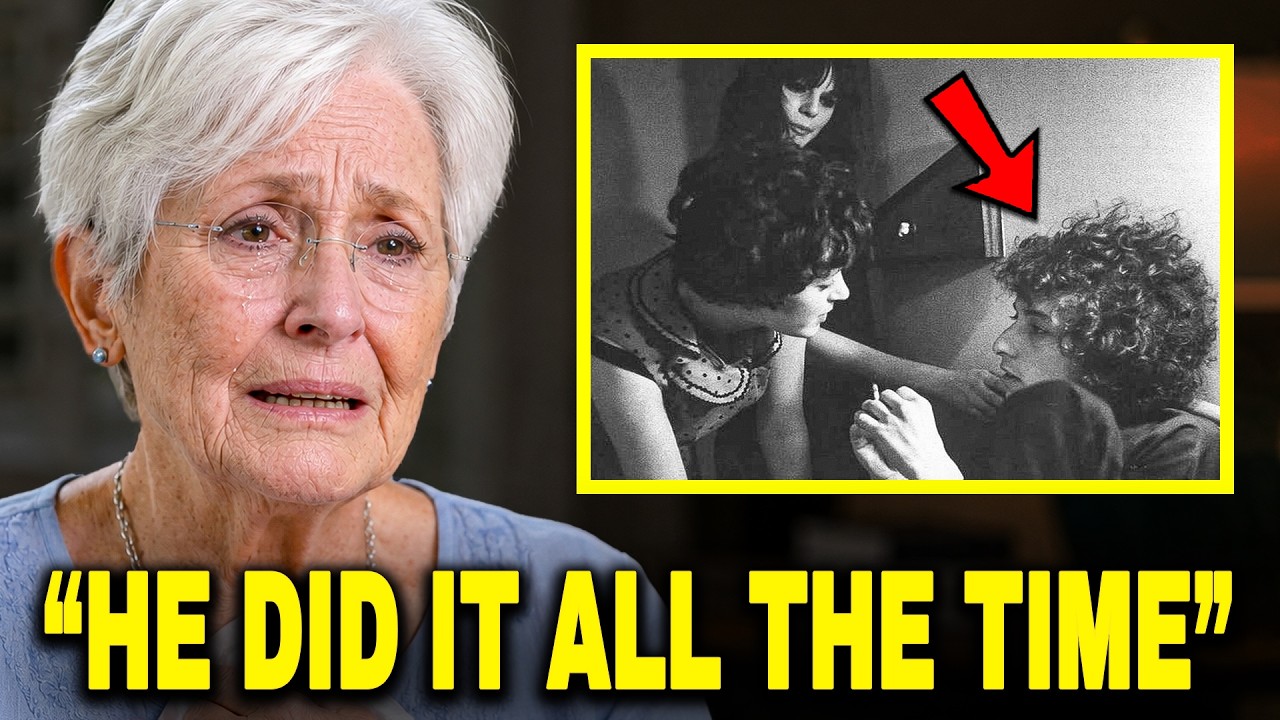
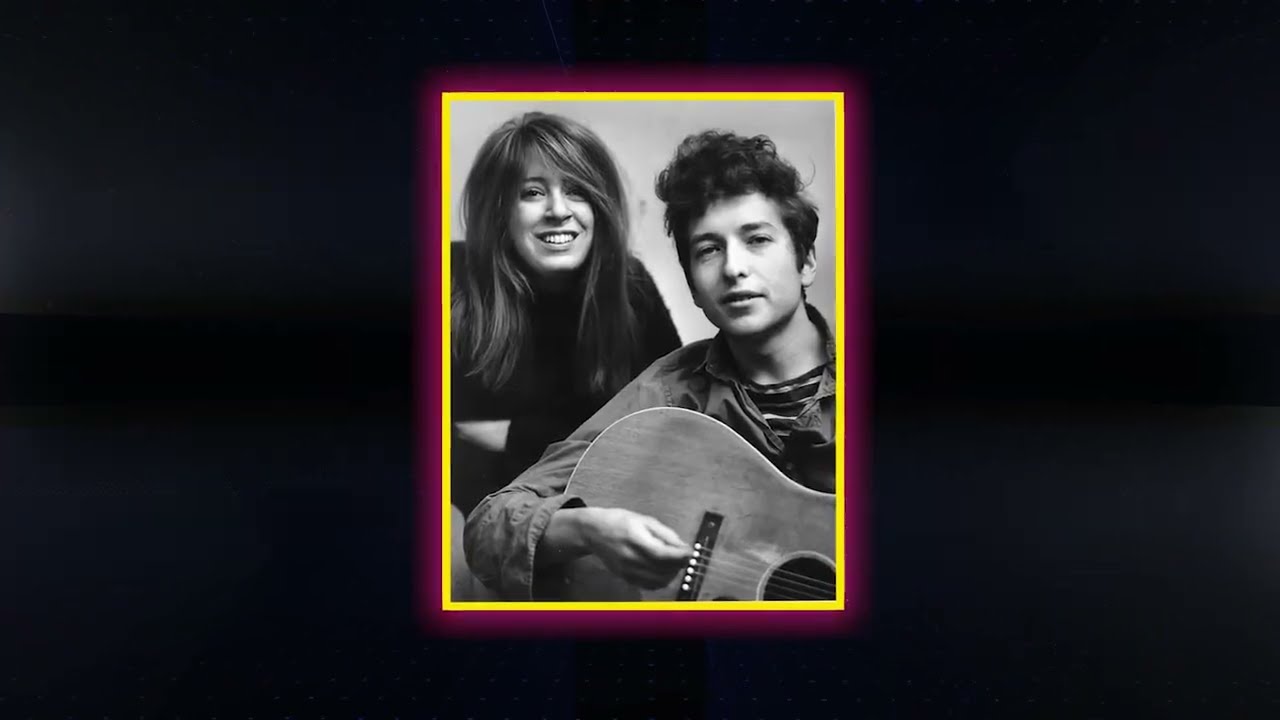
The 1960s folk scene was electrified by the union of Joan Baez and Bob Dylan, two towering figures whose music fueled a generation’s call for justice. Baez, the established queen of folk, lifted Dylan from obscurity, introducing him to her vast audience and cementing his place as a revolutionary artist.

Their initial meeting in 1961 at Gerde’s Folk City was unremarkable—Baez noted Dylan’s scruffy, pale appearance—but his raw, poignant performance of “Song to Woody” changed everything. She was immediately captivated, recognizing a genius songwriting spirit beneath his rough edges.
Dylan admired Baez’s crystalline soprano and political activism, and their immediate backstage connection sparked a partnership that fused their contrasting styles. Baez showcased Dylan on her 1963 tours despite hostile crowds, trusting his artistry and vision with unwavering conviction.
By 1963, Dylan’s star rose dramatically with “The Freewheelin’ Bob Dylan,” flipping the power dynamic. The press crowned them king and queen of folk as they marched and sang together during historic civil rights events, symbolizing the era’s socially conscious youth movement.
Yet beneath this public facade, personal tensions simmered. Baez’s steadfast commitment to nonviolent activism and political purity increasingly clashed with Dylan’s growing aversion to labels and political engagement. Their ideological rift deepened, fracturing trust and emotional closeness.
The lifestyle gulf widened as Dylan embraced a hedonistic entourage, steeped in drugs and chaos. Baez, sober and health-conscious, became alienated—an outsider watching the man she loved descend into a world she could neither enter nor accept.
Communication decayed into long silences and paranoia. Dylan’s moods grew impenetrable, pushing Baez away just when she longed for connection. Emotional isolation mounted, as the couple drifted into separate private worlds, their once passionate bond unraveling under fame’s heavy shadow.
Dylan’s egotism flared, fueled by the memory of his indebtedness to Baez. As his fame eclipsed hers, he demanded dominance, shrinking Baez’s role from partner to forgotten accessory. Media hounds and public scrutiny only intensified their growing, toxic rivalry.
The rupture became public during Dylan’s 1965 UK tour. Baez boarded believing she’d perform alongside him, only to be sidelined completely, excluded from shows and ignored. The humiliation was captured in the documentary *Don’t Look Back*, exposing Dylan’s chilling indifference and mockery.
Baez endured being left alone in hotel rooms while Dylan and his entourage indulged in rampant 𝓈𝓊𝒷𝓈𝓉𝒶𝓃𝒸𝑒 𝓪𝓫𝓾𝓼𝓮, deepening her alienation. The chaotic, high-society world Dylan inhabited was a jarring contrast to Baez’s principled lifestyle, adding personal betrayal to professional snubs.
The tour’s emotional torment forced Baez to leave London alone, her heartbreak compounded by a devastating secret: Dylan had secretly married model Sara Lownds months earlier, concealed from both Baez and the public to maintain his folk purity image.
This clandestine marriage was a brutal betrayal revealing Dylan’s double life. Baez, blindsided by the news through mutual acquaintances, was crushed. The man she had powered to superstardom had moved on completely, shattering her illusions of love and partnership beyond repair.
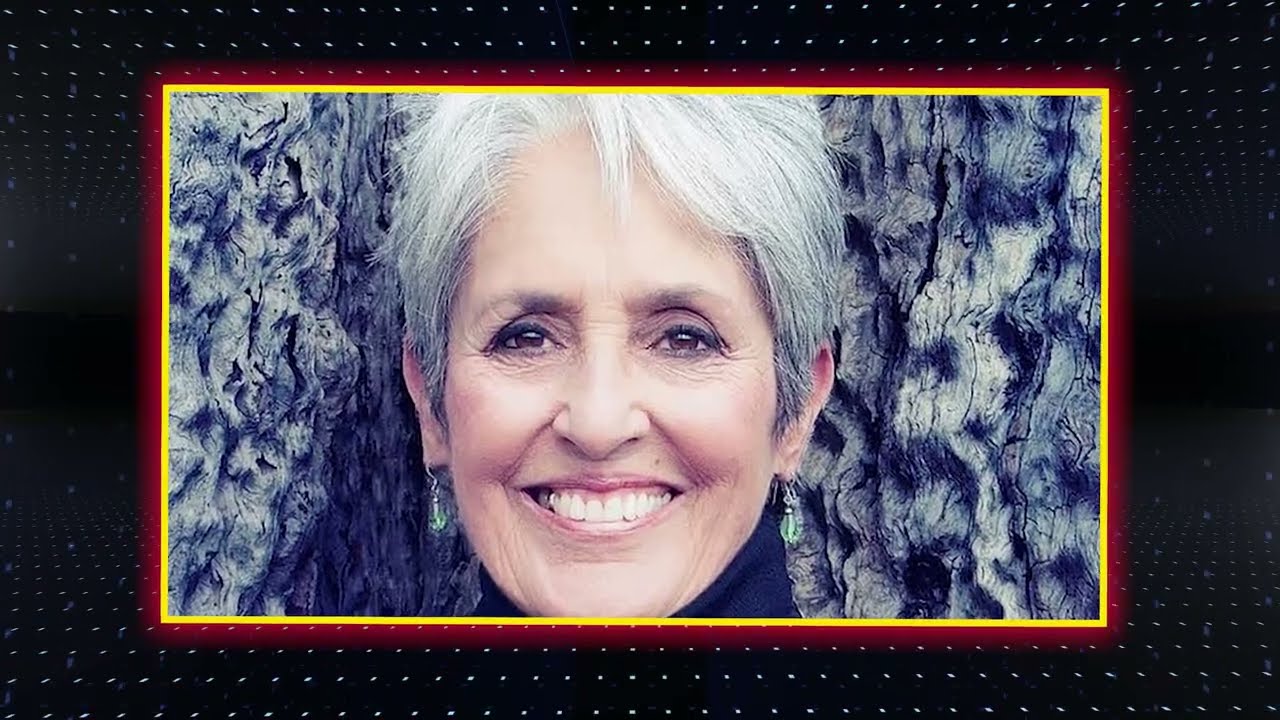
Baez’s 1987 autobiography detailed the overwhelming emotional shock of discovering Dylan’s secret marriage and impending fatherhood. The layers of deception confirmed her worst fears and crystallized the painful end of a once-promising relationship marred by trust violations.
In response to the pain, Baez turned to her artistry, releasing *Any Day Now* filled with Dylan covers—an elegy to a broken bond. Her 1975 hit “Diamonds and Rust” became a soaring anthem of regret, anger, and unresolved love, resonating globally with anyone surviving personal betrayal.
Despite their bitter split, Dylan called Baez in 1975 to join his Rolling Thunder Revue, a tantalizing glimpse of possible reconciliation. Their interactions shown in Martin Scorsese’s documentary reveal unresolved conflict underscored by Dylan’s lingering resentment and Baez’s guarded refusal.
The 1984 European co-headlining tour promised a reunion but unraveled into another tale of corporate sabotage and powerplay. Dylan’s management marginalized Baez, canceled duets, and shortened her performances, reigniting painful memories of inequality. Baez ended the tour abruptly, severing ties for good.
Dylan’s rare 2009 public apology in the PBS documentary *Joan Baez: How Sweet the Sound* acknowledged the damage inflicted, expressing regret and a desire to protect Baez from the madness of fame. The brief admission was a rare moment of contrition and closure.
Baez’s 2023 documentary process gave her peace, as she finally released decades of resentment. Her forgiveness was for herself, affirming a personal liberation long overdue. The tumultuous story between these two icons serves as a testament to art’s power to transform pain into legacy.
Joan Baez and Bob Dylan’s story embodies epic passion, ideological conflict, and deep betrayal under the spotlight of fame. Their contributions transformed music history, but their fractured romance reveals the human cost behind the myth of folk’s golden king and queen. The truth now fully unveiled shakes the legacy of both forever.