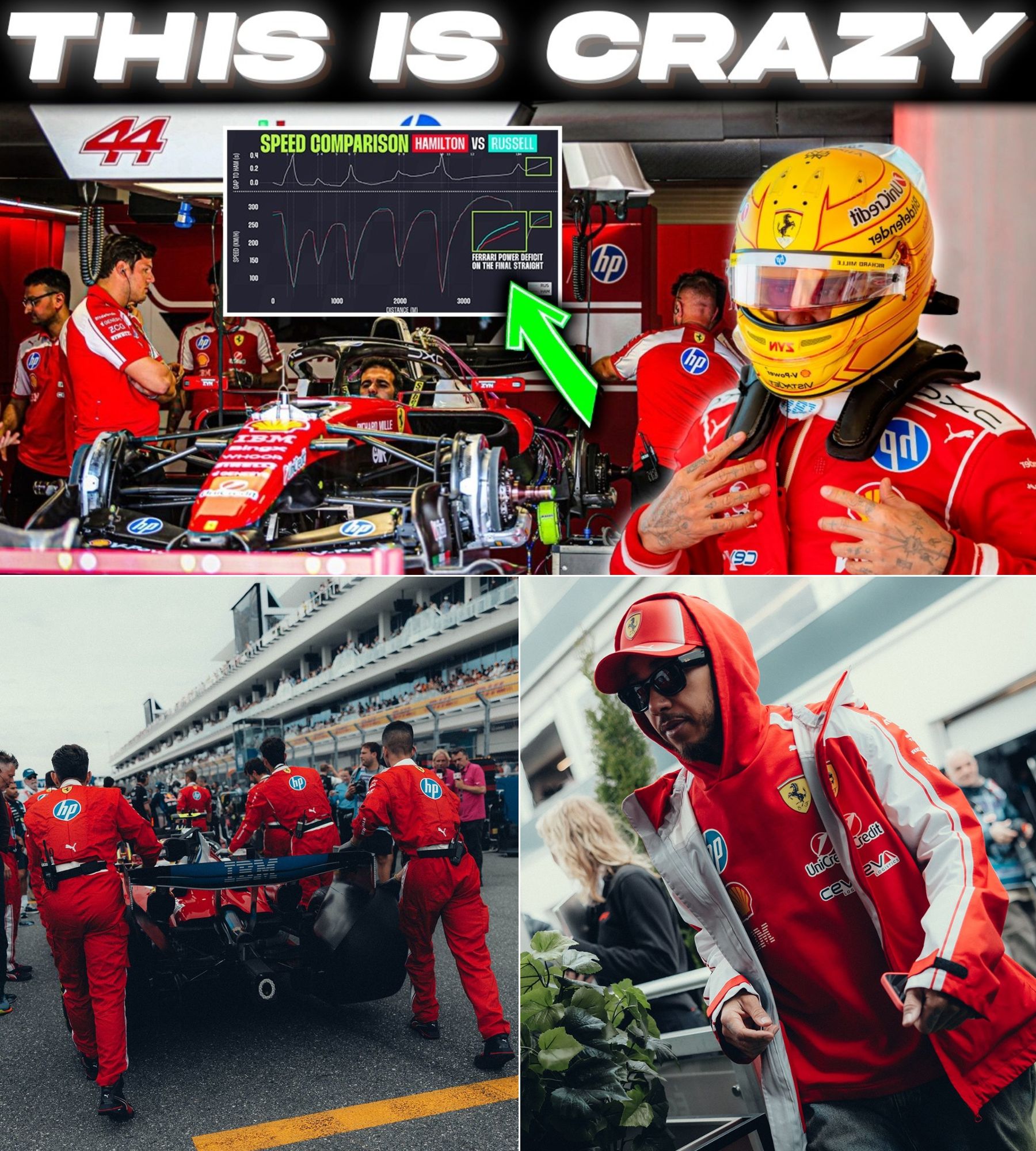
In a stunning turn of events at the Canadian Grand Prix, Lewis Hamilton defied expectations by clinching a remarkable second place for Ferrari without relying on the team’s simulator. This unexpected outcome has sparked intense discussions within the Scuderia, especially as teammate Charles Leclerc faced one of the most challenging weekends of his career.
 While Leclerc struggled to find a competitive balance, Hamilton showcased a different approach, trusting his instincts over the data-driven predictions of Ferrari’s simulator. This contrast in performance raised eyebrows in Maranello, where the team has openly acknowledged ongoing issues with the SF-26’s correlation between simulated data and real-world performance.
The simulator, which is supposed to be a driver’s best ally, reportedly led Leclerc astray as he chased an ideal setup that simply didn’t exist on the track. From the very first practice session, he expressed feeling disconnected from the car, a sentiment that only worsened as the weekend progressed. In stark contrast, Hamilton gradually adapted his driving style, moving away from the simulator’s expectations and instead responding to the car’s actual behavior on the track.

As the race unfolded, Hamilton’s calm and aggressive driving allowed him to engage in a fierce battle with Max Verstappen, marking Ferrari’s strongest performance of the season. The question now looms: could Hamilton’s instincts be more reliable than the simulator that the team has heavily relied on?

This dilemma is particularly concerning for Ferrari, as elite F1 teams thrive on consistency and trust in their data. The disparity in Hamilton and Leclerc’s experiences during the race highlighted a deeper issue within the team. While Hamilton built confidence lap by lap, Leclerc’s frustration grew, creating a striking emotional divide in the same garage.

The implications of Hamilton’s performance could reshape Ferrari’s internal dynamics. If one driver can outperform the system by relying on instinct, it raises critical questions about the effectiveness of the team’s development strategies. With Hamilton’s success in Canada, the spotlight is now on how Ferrari will address its simulator issues and engine performance, which reportedly still lags behind competitors like Mercedes.
As the team navigates these challenges, fans are left wondering: what does Hamilton’s breakthrough mean for Ferrari’s future, and how will they respond to this unexpected shift in dynamics?