In a stunning revelation that has sent ripples through the golf community, legendary golfer Jack Nicklaus has raised serious concerns about the future of the PGA Tour. This isn’t just another sports story; it’s a deep reflection on the very essence of the game and its evolution in the modern era.
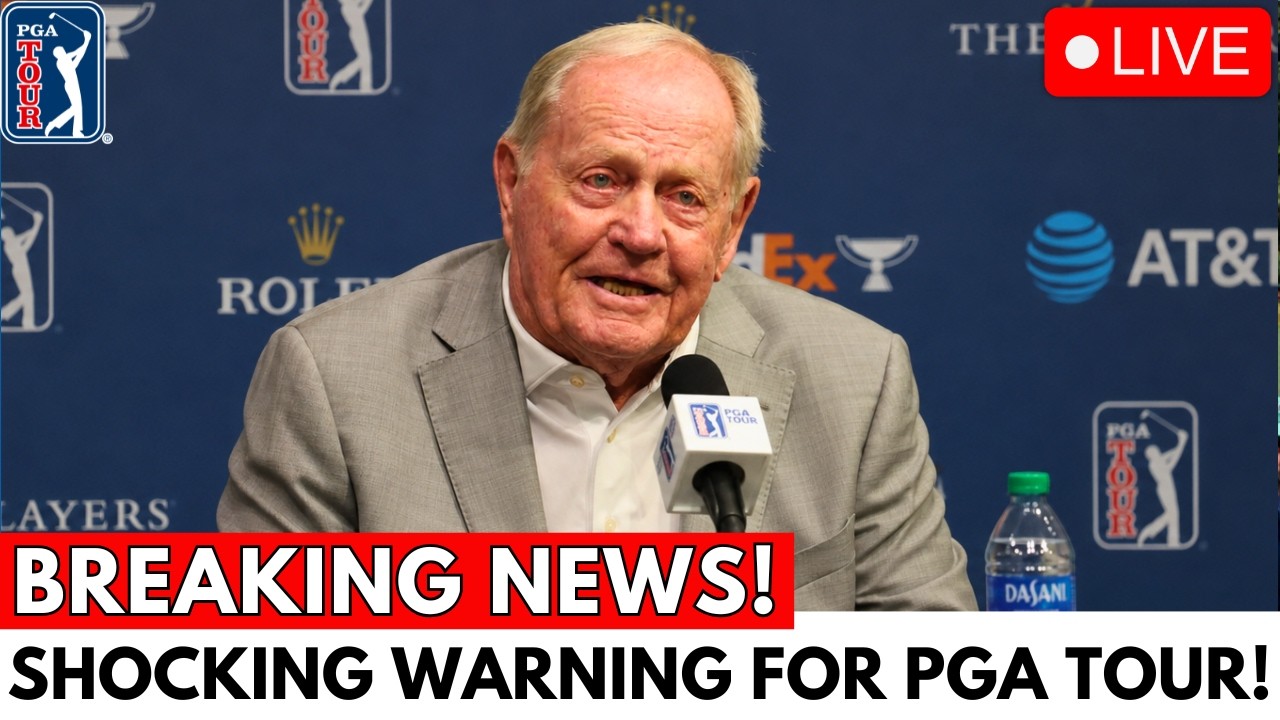 As the Memorial Tournament approaches, Nicklaus, a name synonymous with golfing greatness, has shared insights that are impossible to ignore. With 18 major championships under his belt, his words carry immense weight, shaped by decades of experience both on and off the course. This time, however, his focus isn’t on a specific player or a recent tournament but on the overarching structure of the PGA Tour itself.
In recent years, the PGA Tour has undergone significant changes, notably with the introduction of signature events designed to showcase the sport’s biggest stars more frequently. While this strategy has garnered increased fan interest and solid television ratings, Nicklaus warns that there could be unforeseen consequences lurking beneath the surface.
 He expressed concern about the growing number of major tournaments and signature events crammed into a condensed calendar. Drawing from his own illustrious career, he emphasized the importance of recovery time for players, both physically and mentally. Nicklaus recalled that even during his prime, he needed breaks to recharge, and he believes today’s players face even more challenges, including constant travel, sponsorship commitments, and the pressures of social media.
Nicklaus’s warning extends beyond player fatigue; he is also worried about the overall health of the PGA Tour. He cautioned that if major events are too closely packed, some tournaments might struggle to maintain their identity and relevance. This is particularly significant as the PGA Tour is contemplating potential scheduling changes that could take effect as early as 2027.

The timing of his comments is critical, as professional golf grapples with fundamental questions about its future. How many signature events are necessary? What is the best way to organize the season? How can the Tour keep sponsors satisfied while preserving the integrity of traditional tournaments? These are complex issues, and Nicklaus’s perspective is invaluable, given his extensive history in the sport.
 Beyond his golfing accolades, many fans may not fully appreciate the personal struggles Nicklaus has faced throughout his life. From battling polio as a child to enduring the profound loss of his father and grandson, his journey has been marked by resilience. These experiences have shaped him into not just a champion but a compassionate advocate for causes close to his heart, including children’s healthcare.
At 85, Nicklaus remains a vital figure in golf, actively participating in philanthropic efforts, course design, and tournament hosting. His recent comments about the PGA Tour schedule are not just about protecting his legacy; they reflect a deep commitment to the future of a sport he has dedicated his life to.
As the PGA Tour stands at a crossroads, the decisions made in the coming years could redefine professional golf for generations. Will the Tour heed Nicklaus’s warnings, or will it continue down its current path? The future of golf hangs in the balance, and the conversation is just beginning. What do you think about Jack Nicklaus’s insights on the PGA Tour’s direction?

