At just 16, Justine Bateman became one of the most recognizable faces on American television as Mallory Keaton on the hit sitcom Family Ties. The show drew millions of viewers weekly, at one point reaching more than 36 million for a single episode, and made her a household name almost overnight. But her experience with fame became increasingly complicated as the line between her real identity and her on-screen character began to blur. Fans often treated her as Mallory rather than Justine, and in one instance, a nightclub doorman refused her entry because he insisted that Mallory Keaton was not of legal age.
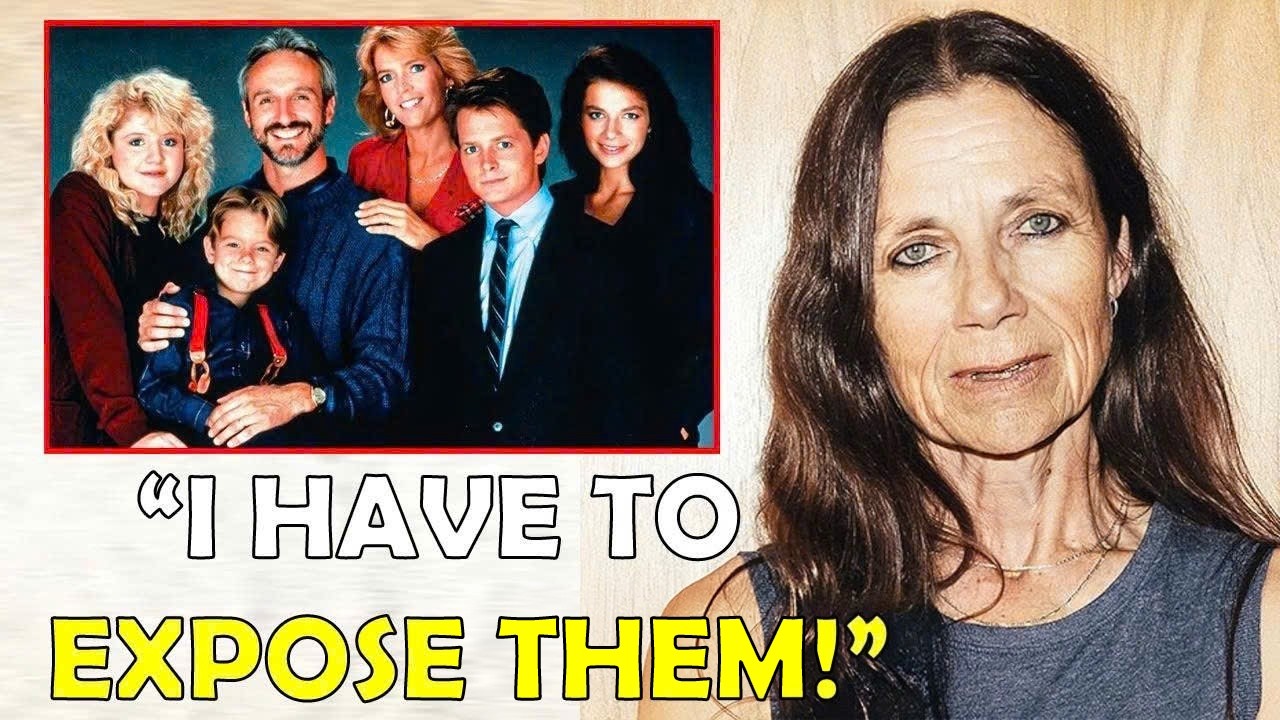
Behind the scenes, her dynamic with co-star Michael J. Fox shaped much of the show’s comedy. Fox’s character, Alex, was written to dominate scenes with sharp insults, often aimed at Mallory. Bateman later explained that constantly being the target of jokes began to affect her personally.
She decided to shift the dynamic by responding to the insults with a simple, unscripted “Thank you. ” The unexpected response worked, drawing laughs and giving Mallory a new sense of control. The pressure of public expectation extended beyond acting. During media appearances and photo shoots, stylists reshaped her hair, wardrobe, and overall image to fit a more conventional version of femininity.
Bateman later described these moments as deeply uncomfortable, representing a loss of control over how she was presented to the world. One turning point came after she chose her own outfit for a major awards show. The following day, tabloids and critics labeled her look inappropriate, and she was placed on a widely publicized worst-dressed list. The sudden shift from celebration to ridicule had a lasting impact on how she viewed fame.
When Family Ties ended, the expected transition to film stardom did not materialize in the way many predicted. Casting directors and audiences continued to see her as Mallory Keaton rather than a versatile actress. She described fame as creating a sheath around a person, a layer that people interact with instead of the individual underneath. Rather than fight to stay within that system, she gradually stepped away.
She took smaller roles, explored theater, and reduced her visibility in mainstream projects. From the outside, it looked like a decline, but she framed it as a deliberate shift in priorities. In her early 40s, an ordinary moment triggered a deeper reflection. She typed her own name into a search engine and noticed the autocomplete suggestion “looks old.
” While she initially rejected the comment, its persistence led her to examine why it carried so much weight. She concluded that the real issue was not aging itself but fear, a pre-existing internal concern that the comment had exposed. Bateman chose not to pursue cosmetic procedures or attempt to preserve a past image. Instead, she embraced visible changes as evidence of experience.
She argued that altering her appearance would mean erasing the authority and identity she had built over time. She also shifted her career behind the camera, writing scripts, producing independent projects, and directing her own films. Her feature debut explored the conflict between fear-based decisions and instinct-driven choices, a theme drawn directly from her own life. Bateman returned to school later in her career, earning a degree in computer science and digital media management.
The decision signaled a clear break from the expectation that her identity had to remain tied to her television past. She has also spoken openly about the psychological cost of fame, the illusion of public identity, and the dangers of conforming to industry expectations. More recently, she has voiced concern about artificial intelligence in filmmaking, viewing it as a system that repackages human expression without acknowledging its source. Married since 2001 and raising two children, Bateman built a life largely outside Hollywood’s constant scrutiny.
Her relationship with her brother, actor Jason Bateman, also became more grounded over time, defined by mutual respect rather than the intensity of growing up in the spotlight. From the outside, her career may have appeared to fade. But Bateman described her journey as a conscious decision to step away from a system that no longer aligned with her values. She did not disappear.
She chose a different path.


