Millions of viewers remember Harvey Korman as the man who could make an audience laugh without saying a single word. A raised eyebrow, perfect timing, or his famously losing battle to keep a straight face while Tim Conway improvised became television history. But away from the spotlight, Korman’s real life was far more complicated than most fans ever imagined. .
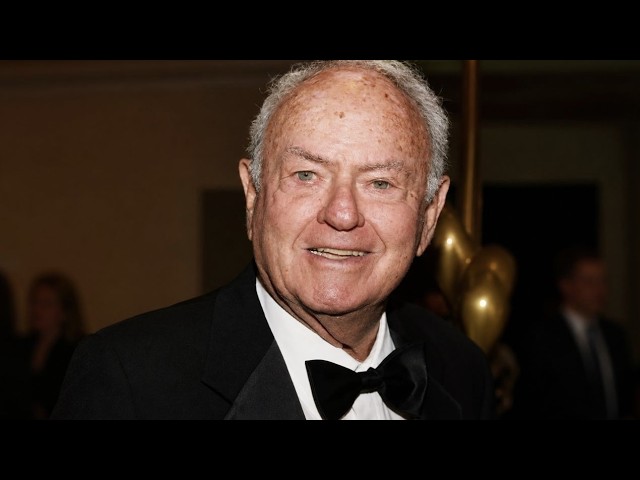
Born in Chicago in 1927, Korman did not grow up surrounded by show business. He came from a hard-working family and served inthe US Navy near the end of World War II before deciding to chase an acting career. It was a risky choice, and success did not come quickly. For nearly two decades, he took small theater roles, appeared in guest spots on television, worked voice-over jobs, and even held regular jobs just to pay the bills.
While others found fame, he simply refused to quit. . That persistence finally paid off inthe 1960s. After appearing on shows likePerry Mason, The Donna Reed Show, andThe Lucy Show, Korman earned a regular spot onThe Danny Kaye Show.
Soon after, he voiced the memorable Great Gazoo onThe Flintstones. But themoment that changed his life forever came in 1967 when he joinedThe Carol Burnett Show. . That series turned Korman into one of America’s greatest comedy performers.
Week after week, he transformed into completely different characters, earning four Primetime Emmy Awards anda Golden Globe. His chemistry with Carol Burnett and especially Tim Conway created some of the funniest moments intellevision history. Ironically, the scenes audiences loved most were often the ones where Korman struggled not to laugh. .
Yet behind those unforgettable performances was a man who quietly questioned his own place in Hollywood. He never viewed himself as a traditional leading star. Instead, he believed his greatest strength was making everyone around him better. That humble mindset shaped both his greatest successes and one of his biggest disappointments.
. At the peak of his popularity, Korman made a bold decision to leaveThe Carol Burnett Showand headline his own series. Unfortunately,The Harvey Korman Showfailed to attract viewers and was canceled quickly. Rather than blaming others, Korman later admitted the experience taught him an important lesson: he thrived as part of a talented ensemble, not as the sole center of attention.
. His career continued with memorable performances in Mel Brooks classics likeBlazing Saddles, High Anxiety, andHistory of the World Part One. Korman remained respected throughout Hollywood, even if he never again reached the extraordinary heights of the Burnett years. .
Off screen, Korman lived a remarkably private life. Unlike many celebrities, he avoided public scandals and kept his family away from the headlines. After divorcing his first wife, he found lasting happiness with his second wife, Deborah Fritz. His lifelong friendship with Tim Conway also remained one of the strongest relationships incomedy, continuing long after their television careers peaked.
. In 2008, after complications following surgery anda ruptured abdominal aortic aneurysm, Harvey Korman passed away at the age of 81. His death marked the end of an extraordinary career, but not the end of his influence. .
The double life Korman lived was not built on shocking secrets or hidden scandals. It was the contrast between the endlessly funny performer the world adored andthe humble, hard-working man who quietly battled rejection, self-doubt, and professional setbacks while continuing to make millions laugh. His story stands as a reminder that true greatness is not measured only by awards or fame, but by perseverance, humility, and the joy we leave behind for others.
.


