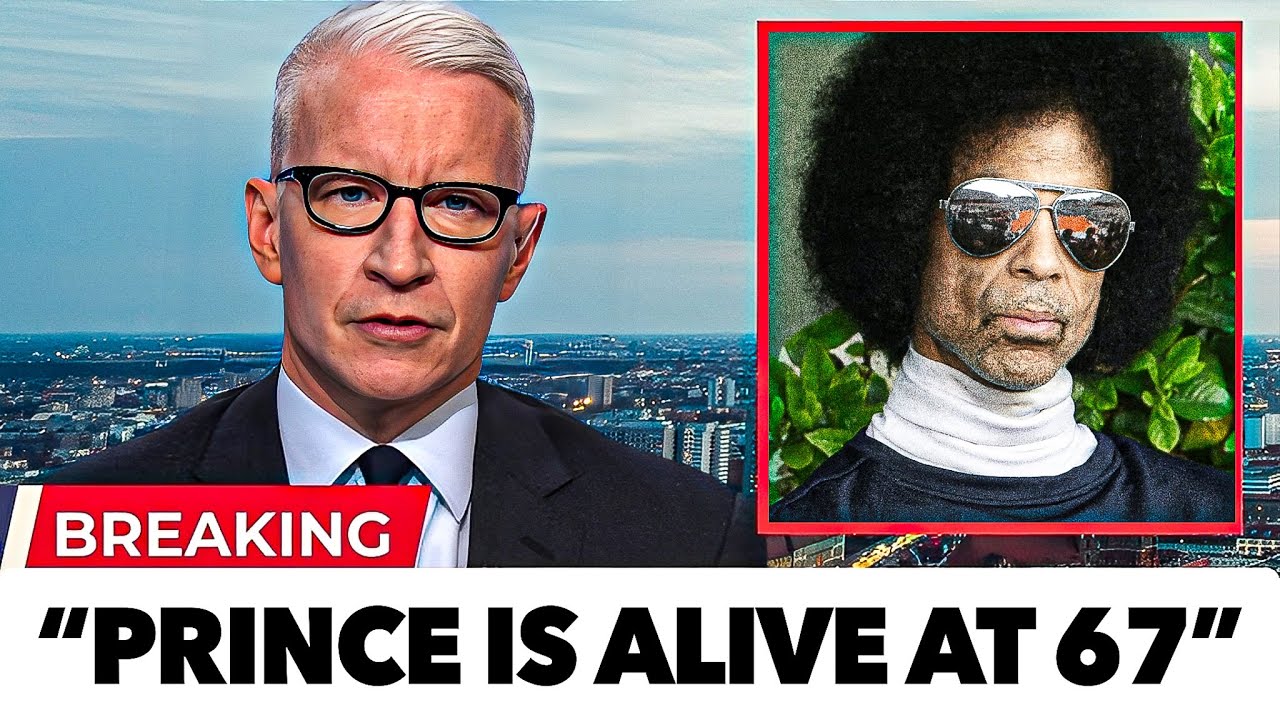
On April 21, 2016, Prince, the musical genius behind classics like “Purple Rain” and“1999,” was found unresponsive in an elevator inside his Paisley Park estate. He was pronounced dead shortly before 10:07 a. m. at the age of 57.
The official cause of death was ruled an accidental overdose of fentanyl, a synthetic opioid approximately 50 times stronger than heroin. But the investigation into how the pills that killed him got into his hands, and why those closest to him remained silent, revealed a deeper story of hidden pain, secrecy, and missed red flags. In the weeks before his death, Prince’s public appearances belied a private struggle. He performed what would become his final concertin Atlanta on April 14, 2016, ending with a rare piano-only encore of“Purple Rain.
” The next day, his private jet made an emergency landing in Illinois after he was found unresponsive mid-flight. Authorities later confirmed he was revived with naloxone, a drug used to reverse opioid overdoses. Prince publicly dismissed concerns, tell fans at a dance party at Paisley Park to“wait a few days before you waste your prayers. ” Despite visible signs of exhaustion and frailty, he continued rehearsing, recording, and hosting events behind the walls of his estate.
Prince had long suffered from crippling hip pain, the result of decades of acrobatic performances. Doctors urged him to undergo double hip replacement surgery, but his faith as a Jehovah’s Witness, which discourages blood transfusions, led him to avoid the procedure. Instead, he relied on holistic remedies, physical therapy, and eventually powerful prescription painkillers. As his tolerance grew, he sourced pills from multiple doctors and, investigators later learned, from illegitimate channels.
He hid his dependency from fans, the press, and even many who worked closely with him, storing pills in unmarked bottles and locked drawers throughout Paisley Park. On April 20, 2016, Prince spent much of the day alone, locking doors earlier than usual. Surveillance footage showed him visiting his local Walgreens multiple times that week, appearing tired but composed. In the early hours of April 21, he took what he believed were prescription painkillers, unaware that many we reverse counterfeit tablets stamped to resemble Vicodin but laced with a lethal dose of fentanyl.
His assistant discovered his body around 9:43 a. m. in the elevator of his residence. Resuscitation efforts failed, and he was declared dead minutes later.
The autopsy revealed no alcohol or street drugsin his system, only fentanyl at levels far beyond what the human body could endure. A particularly haunting detail emerged: none of the medications found at Paisley Park were prescribedin Prince’s name. Bottles were labeled under aliases written for people close to him, a clear attempt to keep his dependency hidden. While his longtime physician, Dr.
Michael Schulenberg, had written prescriptions for Prince under the name of his bodyguard, he was never charged in connection with the death. He paid a $30,000 settlement for improper prescribing practices. Federal agents investigated drug rings in Minnesota, probing whether counterfeit pills had been funneled into Prince’s circle, but no arrests were ever made. In 2018, prosecutors announced the case was closed, citing the source of the counterfeit pills could not be identified.
The lack of accountability left many fans feeling betrayed, particularly becausethose who knew Prince best had reportedly seen warning signs for years. Staff noticed locked drawers, sudden disappearances, and excuses that never added up, but no one dared confront him directly. His family rarely spoke publicly about the circumstances of his death, prompting speculation that silence was a form of protection for certain figures or a desire to shield his legacy from the taint of addiction. Meanwhile, the financial aftermath added another layer of discord.
Prince died without a will, leaving a fortune estimated at more than $156 million. His estate became tangledin legal limbo for years, as half-siblings, distant relatives, and others claimed ties to his bloodline. The legal fees and disputes diminished the estate’s value, while Paisley Park was converted into a museum, which some critics saw as commercialization of his sanctuary. Prince’s death was not an isolated tragedy but a stark symbol of the broader opioid crisis, which claims tens of thousands of American lives each year through counterfeit pills disguised as relief.
His wealth, fame, and intelligence could not protect him from a poisoned pill. His story remains a cautionary tale about the price of silence, the danger of hidden pain, and the failure of a system that allowed a global superstar to slip through the cracks. Even as his music continues to resonate, his final chapter serves as an unsettling reminder thatgenius does not grant immunity, and thatlegends, like anyone else, can be undone by secrecy.