When Roy Clark died in November of 2018, the man most Americans believed they knew was the grinning country superstarwho had co-hosted Heihaw for more than two decades. Behind that public image, however, was another Roy Clark, a man with heavily private passions and one secret kept tucked away so effectively that his own family was stunned to find it only after he was gone. Clark was born on April 15, 1933, in Maharine, Virginia, the son of a tobacco farmer who could also play banjo, fiddle, and guitar. Because his mother played piano, music filled the boy’s earliest years, but young Roy was painfully shy,and country music made him an outsider among schoolmates in the Washington, DC, area, where the family eventually settled.
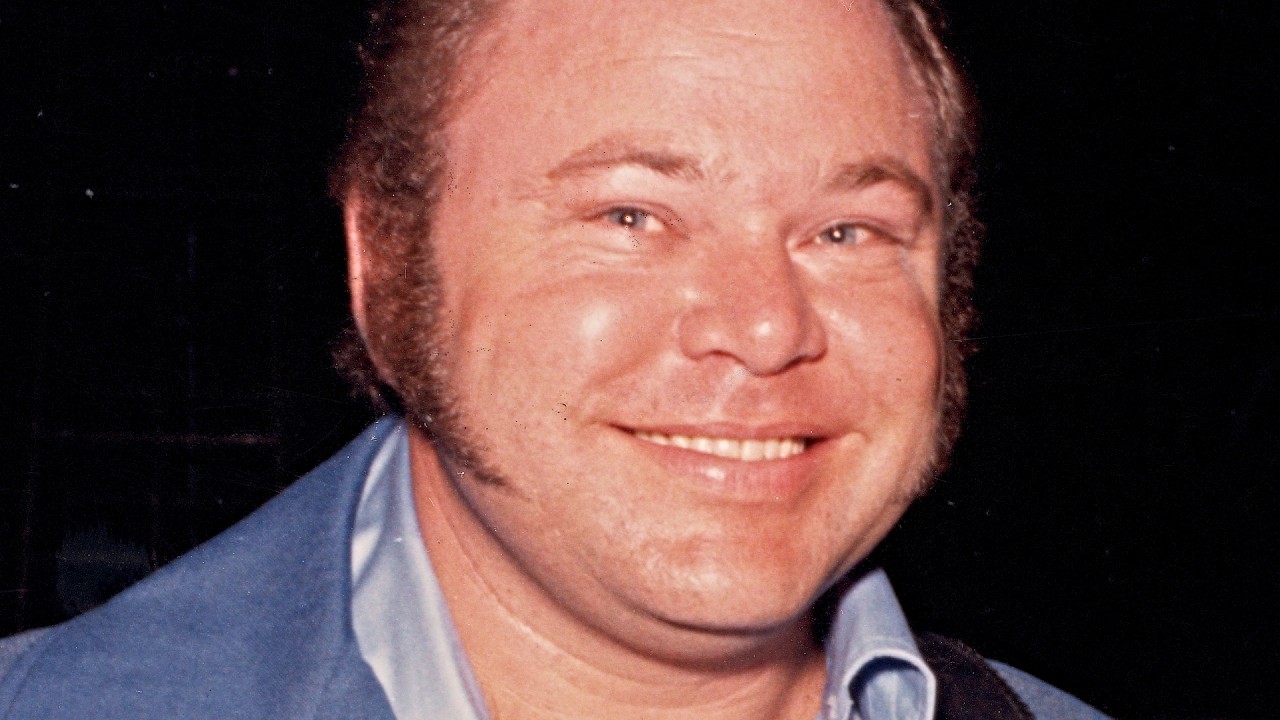
To cope, he developed humor as shield, learning that making people laugh helped hide his nerves, an instinct that would later define his on-screen personality. His musical talent, though, spoke louder than his shyness. His father taught him guitar at age 14, and Roy quickly added banjo and mandolin to his skills. By 1947, at only 14, he won the National Banjo Championship, and he repeated that win the next year.
A year later, he stepped onto network television via the Grand Ole Opry. At 16, he was already performing in front of the genre’s biggest names. His path to stardom included a pivotal setback. In 1955, rising star Jimmy Dean invited Clark to join his backing band, the Texas Wildcats, but Dean eventually fired him two years later over Clark’s chronic lateness.
That loss opened arger stage: Clark moved on to Las Vegas, where he played alongside Wanda Jackson and honed his ability to command a room, and a relationship formed with Jim Halsey, an agent who represented him for the rest of his career. Television kept pulling him into America’s living rooms. After guest appearances on The Tonight Show and The Beverly Hillbillies, Clark got his own short-lived NBC seriesin 1966. But his career reached its defining moment in 1969, when he teamed up with Buck Owens to co-host Heihaw, a country comedy variety show set in the fictional farming community of Cornfield County.
The program, created by Frank Peppiatt and John Aylesworth, was originally a summer replacement series. It proved so popularthat CBS kept it on the schedule for two seasons until the network’s infamous rural purge dropped it in 1971. That cancellation turned into a second life, as Heihaw moved to syndication, where independent stations could air it on their own schedules. The show flourished for a stunning 25 seasons, ending its original run only in 1993.
Decades later, reruns still surfaced on networks like RFD-TV, and in 2024, they returned to that channel, proving the show’s unusual staying power. Amid the career highs, Clark built a private life away from cameras. His first marriage, to Lois Dart, ended in divorce. In 1979, he married Joy Joyce Langley, who became his partner for nearly four decades, blending their children into one family.
As health issues, including complications from diabetes, slowed himin later years, Joy remained at his side, and the couple spent their decades together in a grand Tulsa, Oklahoma, mansion originally built in the early 1930s for oil millionaire Cornelius William Titus. The estate, purchased by the Clarks in 1974, was so vast that it held dozens of rooms, numerous bathrooms, and even a built-in pipe organ, with more than enough space for a man who treasured collecting. Clark filled that space with reminders of his journey. His instrument collection included the 1963 sunburst Fender Jazzmaster that appeared on the cover of his Lightning Fingers album, along with Fender Jaguars and Gibson Byrdlands suited to his fast picking style.
Beyond guitars, he had a serious passion for automobiles, and after his death, seven vehicles from his estate were sent to auction, including a 1964 Rolls-Royce Phantom V limousine he had kept for over four decades, its doors adorned with his initials. Classic cars, such as a 1957 Ford Thunderbird anda 1963 Pontiac Bonneville Safari, filled out the collection. But the most surprising discovery did not involve guitars or classic cars. As Clark’s family sorted through the mansion, they stumbled upon a long-forgotten closet, tucked away out of sight from any visitor.
When they opened it, they found an object so unexpected that it left them completely speechless. It offered aglimpse into the private Roy Clark that the cameras had never revealed, andit became one of the most talked-about remnants of his remarkable, layered life.