Joe Pesci walked to the Oscar microphone in 1991 and delivered the shortest acceptance speech in Academy Awards history: “It was my privilege. Thank you. ” Then he sat down. Eight years later, he walked away from Hollywood entirely—and meant it, even as the industry kept calling.
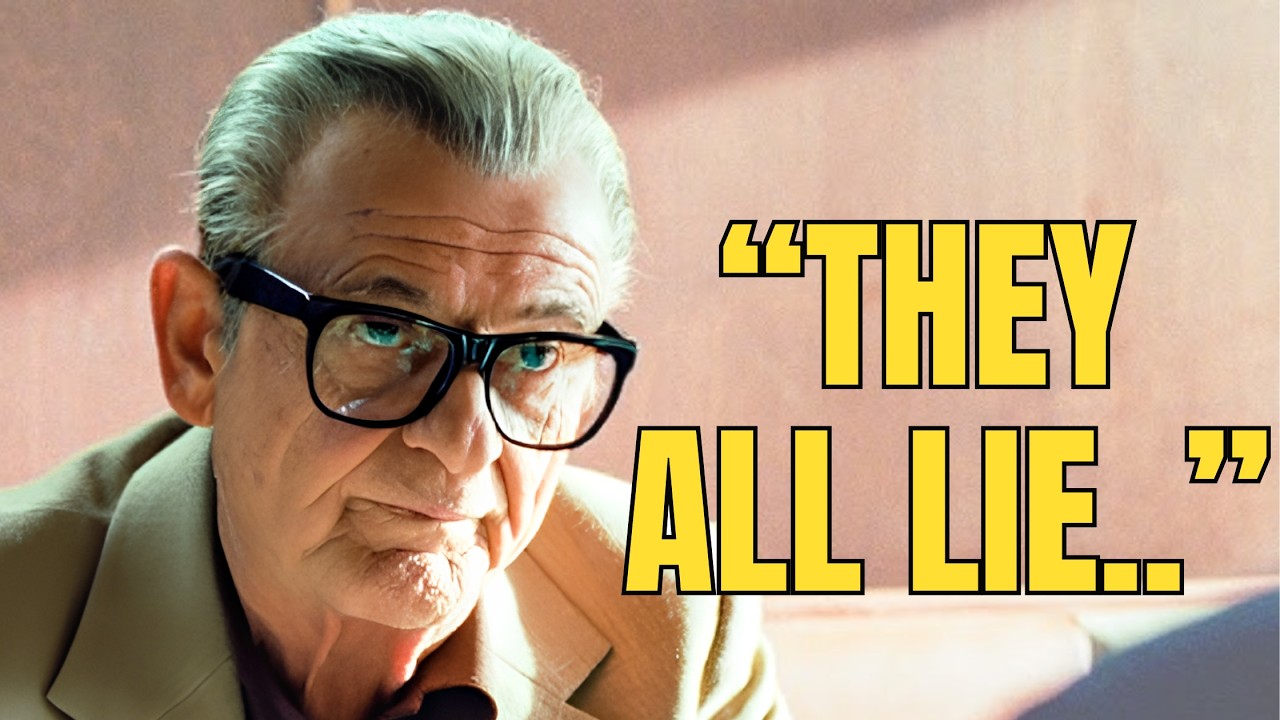
Born on February 9, 1943, in Newark, New Jersey, Pesci was the son of Angelo Pesci, a General Motors forklift driver who also tended bar and pushed his children into show business as a way out of a hard life. Joe was on stage at age five and appears on television by ten. He later admitted he wasn’t sure pushing a child into performance was the right thing, saying he might have found something calmer if he’d had more freedom. What he actually wanted early on was a music career.
He played guitar with Joey Dee and the Starlighters in the 1960s—and when he left the band, his replacement was Jimi Hendrix. Pesci also introduced Frankie Valli to Bob Gaudio on instinct; a year later, The Four Seasons were recording “Sherry. ” The band later invited him on stage when they won the Tony Award for Jersey Boys. In 1968, he released a solo album under the stage name Joe Ritchie that went nowhere.
He spent years doing comedy and music with Frank Vincent, managed a restaurant, and took small acting jobs to pay bills. De Niro saw him in The Death Collector, told Martin Scorsese about him, and Scorsese offered him the role of Joey LaMotta in Raging Bull. Pesci quit the restaurant the day the call came. Raging Bull in 1980 introduced a performer who could be volatile and tender in the same scene.
That led to Tommy DeVito in Goodfellas in 1990, with the now-famous “Funny how? ” improvisation. Scorsese filmed it with almost no rehearsal, so the tension on screen was real. On the same career track was Home Alone, where he played Harry as half of the Wet Bandits.
For Lethal Weapon, Pesci based Leo Getz on a Disneyland employee who gave directions in a rapid-fire, repetitive manner—endlessly saying “Okay”—before arriving at the information. That performance was meant for one film but earned him three sequels. He delivered My Cousin Vinny in 1992, a Brooklyn lawyer in rural Alabama, in a courtroom sequence praised even by legal professionals. Pesci had been explicit about his standards.
In a 1992 New York Times interview, he said he loved starring in movies but wanted good roles, adding that being a star in something no good “will just kill you. ” By the late 1990s, offers like 8 Heads in a Duffle Bag and Lethal Weapon 4—the latter earning a Razzie nomination—were no longer what he described as worth doing. So in 1999, he announced retirement and stayed away for over a decade, appearing only in small roles and projects done as favors. In the meantime, he went through a strange legal episode when his ex-wife, Claudia Haro, was charged with hiring hitmen against the stuntman she married after Pesci.
Pesci posted her $1. 25 million bail and appeared at her trial. Police fully investigated and cleared him; Haro pleaded no contest to a 12-year sentence. Scorsese had wanted Pesci for The Irishman for years, but Pesci repeatedly said no.
De Niro has described getting him to agree as the hardest part of the production. He finally accepted, and in 2019 played mob boss Russell Bufalino—a character of stillness rather than rage. He earned another Oscar nomination for best supporting actor and went home without the award, without apparent concern. At 83, Pesci had lived according to a rule he’d stated clearly seven years before he quit: good roles or nothing.
He gave up Hollywood not out of bitterness or illness, but because the version of the work that was offered to him no longer matched what he considered worth doing. He spent 25 years proving that a man who left on his own terms doesn’t need to come back.


