The Tragic Downfall Of Mama Cass
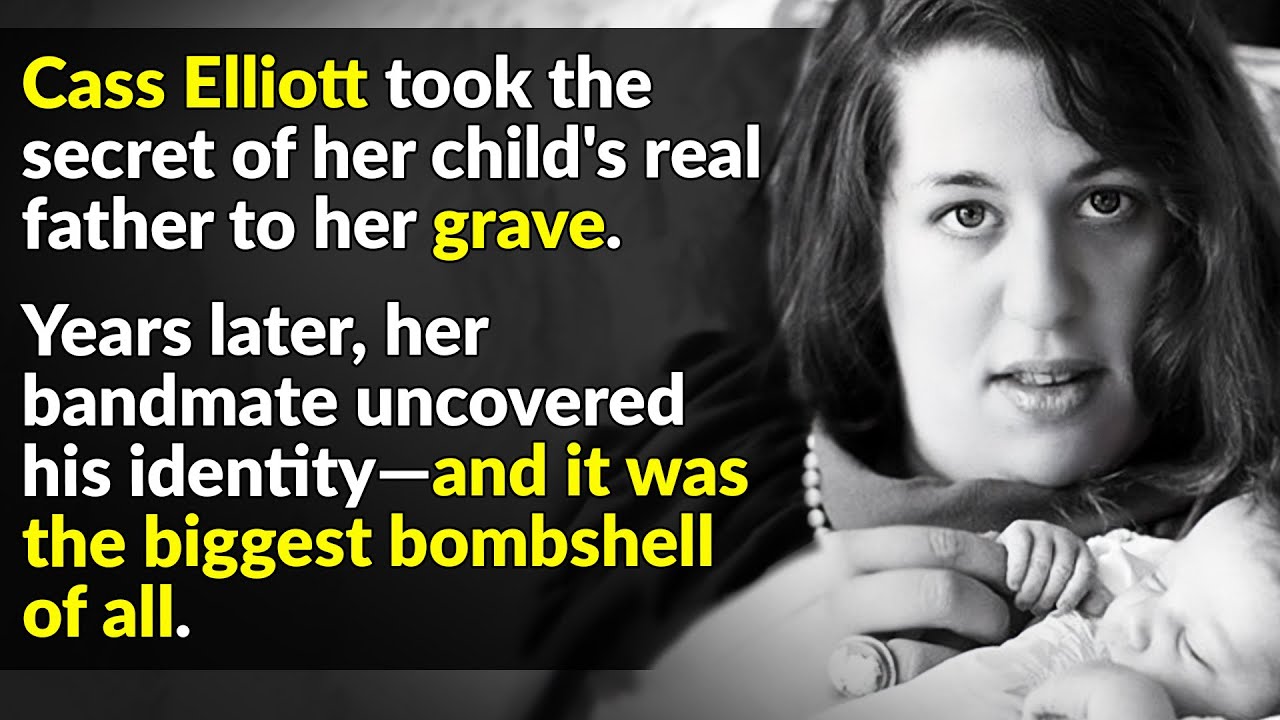
The life of Cass Elliot, the iconic voice behind The Mamas and the Papas, was a symphony of soaring talent and crushing tragedy, a story of unrequited love, secret shame, and a dangerous battle with her own self-image that ended in a sudden, mysterious death at just 32 years old. For decades, the public saw only the radiant, larger-than-life singer who belted out hits like “California Dreamin’” and “Monday, Monday,” but behind the microphone lay a hidden world of humiliation, predatory behavior from her bandmates, and a desperate need for acceptance that ultimately consumed her. The most profound secret she carried to her grave was the identity of her daughter Owen’s father. It was only years later that Michelle Phillips, her bandmate and rival, unearthed the truth, and it sent shockwaves through the music world. The father was Chuck Day, the second guitarist who played on the band’s most famous tracks, a revelation that painted a new, complex picture of Elliot’s private life. Born Ellen Naomi Cohen in Baltimore in September 1941 to Russian Jewish immigrants, financial hardship was a constant companion, but her radiant personality and immense vocal talent were undeniable. Yet, from a young age, she battled the stigma of her weight, a demon that would follow her relentlessly. In high school, she found solace in theater, adopting the stage name Cass Elliot from actress Peggy Cass and a deceased friend, a persona that gave her the courage to leave school and chase Broadway. But the stage was cruel. After losing a role to the then-unknown Barbara Streisand, she turned to music, hoping it would spare her the heartbreak of theater. She formed bands like The Big Three and The Mugwumps, where she met Denny Doherty, the man she would love unconditionally and who would break her heart repeatedly. In a desperate twist, she married Mugwumps guitarist James Hendricks in 1963 as a sham arrangement to help him avoid the draft. There was no love, only a contract born of necessity. When the band dissolved, Cass hoped Doherty would follow her, but he instead joined the New Journeymen, a group featuring John and Michelle Phillips. Cass was willing to do anything to be near him, but John Phillips initially refused her entry, claiming her voice was too deep. Behind closed doors, the reason was crueler: he believed she was simply too heavy for the group. Her confidence already shattered by society’s beauty standards, Cass faced an era that celebrated waif-like figures like Audrey Hepburn. Yet, she was relentless. She followed the New Journeymen everywhere, enduring their degrading treatment as they ordered her around, forced her to serve drinks, and allowed her to rehearse but never perform. The tables turned when the band ran out of money and substances, arriving at Cass’s Los Angeles home desperate for shelter. She offered them a deal: let her into the band or sleep on the streets. The official story spun a different tale—a pipe falling on her head in St. Thomas, supposedly shifting her vocal register to please Phillips—but sources later revealed this was a cover for the shameful fat-shaming that had kept her out. Renamed The Mamas and the Papas, the band soared with hits, but the torment continued. John and Michelle Phillips, along with Doherty, mocked her weight in their lyrics, most infamously in “Creek Alley” with the line, “No one’s getting fat except Mama Cass.” The nickname stuck, and Cass’s dreams of love crumbled when Doherty confessed his affair with Michelle Phillips. Cass was heartbroken, lamenting to Michelle, “You can have any man in the world, why take the one I love?” His rejection, including a drunken dismissal of her marriage proposal, pushed her to bury her pain in substances and wild behavior. In 1967, while in London, she was detained for stealing bed linens from a rented apartment, though rumors swirled that authorities were using her to target her alleged lover and supplier, Mick Dawson. The charges were dropped for lack of evidence, but the scandal forced the cancellation of a scheduled performance. Her days with the band were ending. After a successful solo recording of “Dream a Little Dream of Me,” she left The Mamas and Papas and landed a major six-figure, three-week deal at Caesar’s Palace in Las Vegas. The pressure to slim down intensified, and she adopted a crash diet, fasting four days a week for seven months, losing a third of her 300-pound frame. The price was catastrophic. She developed acute tonsillitis, hemorrhaging vocal cords, mononucleosis, and dangerous hepatitis. On her Las Vegas debut, a star-studded crowd including Jimmy Hendrix and Mia Farrow watched her fumble through a barely audible performance. Her second show was worse, and the audience walked out. Caesar’s Palace canceled her contract, and Newsweek compared the flop to the sinking of the Titanic. Humiliated, she fell into deep depression, but a bright spot existed: her daughter Owen, born just before the Vegas deal. Cass guarded Owen fiercely, refusing to name the father and dismissing nannies who grew too close. The media speculated wildly, and darker rumors followed her, including hosting the cult leader Charles Manson at her parties. John Phillips later blamed her for inviting Manson into their circle, even linking her to the brutal Manson Family murders, though authorities dismissed the accusation. Her career stalled, but she found sporadic TV work, including her own specials, “The Mama Cass Television Program” and “Don’t Call Me Mama Anymore.” In 1971, she married journalist and Bavarian baron heir Donald von Wiedemann, but the union lasted only two months. Her health continued to decline. In 1974, she collapsed backstage at the Johnny Carson show, dismissing it as exhaustion. After wrapping two weeks of concerts at the London Palladium, she attended Mick Jagger’s 31st birthday party on July 29, 1974, then a brunch where she appeared unwell, coughing and struggling to breathe. That evening, at a party hosted by journalist Jack Martin, she seemed distant. She returned to an apartment in Mayfair, and the next morning, her secretary found her lifeless in bed. Her death was attributed to a heart attack, but vicious rumors spread that she had choked on a ham sandwich, a cruel dig at her weight. Four years later, The Who’s Keith Moon died in the same bedroom at the same age. After her passing, Owen went to live with Cass’s sister, Leah. Decades later, Michelle Phillips finally solved the mystery of Owen’s father, revealing it was guitarist Chuck Day. On October 20, 2022, Cass Elliot received a long-overdue star on the Hollywood Walk of Fame, attended by family and her former bandmate. In an era of normalized fatphobia, her talent was often overshadowed by her size, a legacy of pain that still resonates. When The Mamas and Papas reunited for their 1998 Rock and Roll Hall of Fame induction, they needed three backing singers to try and replicate her voice, but they did not succeed. Her presence remains irreplaceable, a haunting reminder of a star who burned too brightly and was snuffed out too soon.
16 August 2026

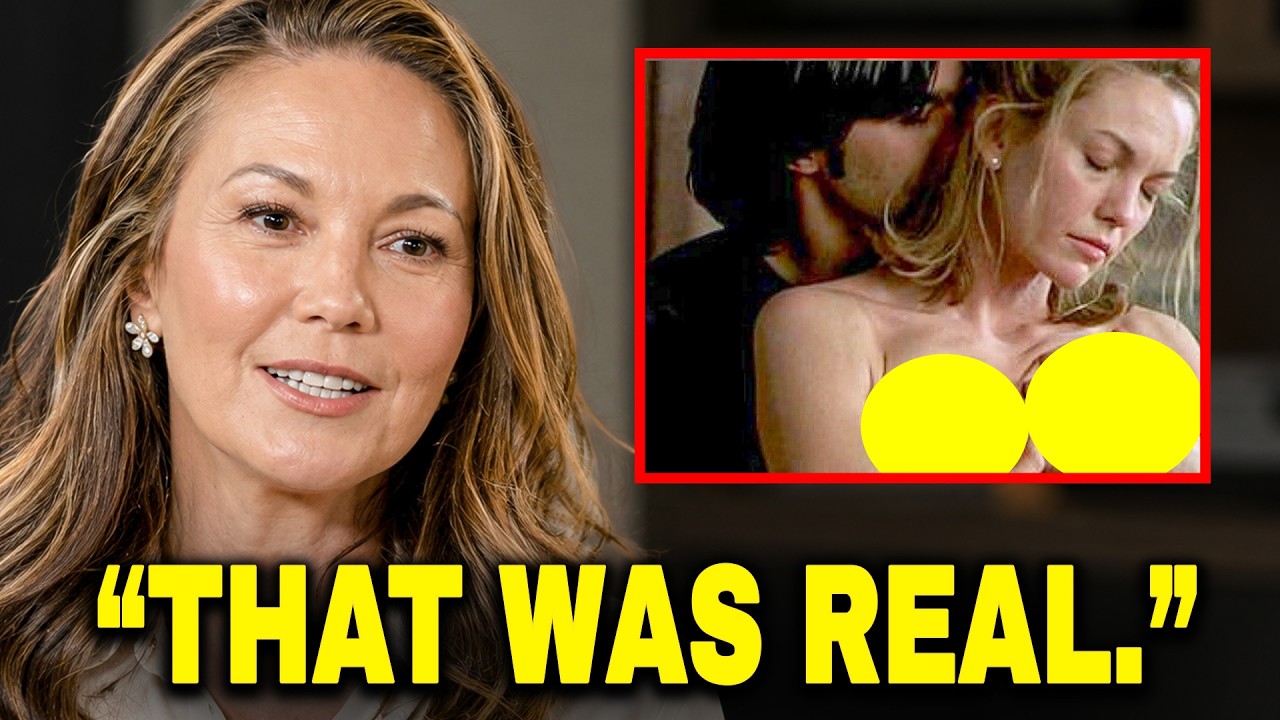
At 61, Diane Lane Finally Addresses Her Scandalous Affairs

Diane Lane has broken her decades-long silence, finally addressing the scandalous affairs, broken marriages, and painful truths that have shadowed her storied Hollywood career. At 61, the Oscar-nominated actress sat down for a candid conversation, revealing intimate details about her tumultuous personal life that she has kept private for years. The revelations are reshaping everything the public thought they knew about one of the industry’s most respected and enigmatic stars. In a rare and deeply personal interview, Lane spoke openly about the rumors that have followed her since her teenage years. She acknowledged the intense media scrutiny that painted her as a femme fatale, particularly after her iconic role in the 2002 film “Unfaithful.” The performance, which earned her an Academy Award nomination, led the public to conflate her on-screen persona with her real life. Lane now admits that the constant speculation about her love life was exhausting and often inaccurate. “I understand why people thought what they thought,” Lane said. “But the truth is far more complicated than any headline.” She explained that the narrative of a scandalous woman was a convenient story for the tabloids, but it never captured the reality of her struggles. The actress emphasized that her two failed marriages were not the result of affairs or betrayal, but of deep emotional mismatches and the crushing weight of loneliness. Lane’s first marriage to French actor Christopher Lambert began with a whirlwind romance in the 1980s. They married in 1988 and had a daughter, Eleanor, in 1993. But behind the glamorous facade, Lane revealed that she spent most of the marriage in a state of profound isolation. “I was celibate for the vast majority of that marriage,” she confessed. “He was always away filming, and I was waiting for him to come back and make me feel like a woman. That never happened.” The actress described the relationship as a fantasy that could not sustain reality. She admitted that she had been searching for a sense of belonging that her chaotic childhood had denied her. Lambert, she said, was “the least likely person on the planet to give me what I needed.” The marriage ended in divorce in 1994, leaving Lane to confront the voids she had tried to fill with a partner who was never present. Her second marriage, to actor Josh Brolin, was even more turbulent. They wed in 2004, but just four months later, Lane called police after a domestic altercation. Brolin was arrested for misdemeanor domestic battery. Lane now addresses that night for the first time in detail. “It was a misunderstanding, but it was also a wake-up call,” she said. “Josh was struggling with alcoholism, and I was trying to hold everything together. It was unsustainable.” Brolin later credited the divorce in 2013 as the catalyst for his sobriety. Lane acknowledged that she had been a caretaker in the relationship, a role that drained her. “I loved him, but I couldn’t save him. I had to save myself,” she said. The actress noted that the public often assumed she was the instigator of scandals, but in reality, she was a survivor of circumstances beyond her control. Lane also addressed the rumors of affairs that plagued her early career. As a teenager, she ran away to Los Angeles with actor Christopher Atkins, an act she now calls “dangerous and reckless.” She said it was a cry for help from a child star who had been thrust into adulthood too quickly. “I had too much independence at too young an age,” she explained. “I was looking for escape, not scandal.” The actress reflected on her childhood, marked by a bitter custody battle between her parents. Her mother, a Playboy centerfold, and her father, an acting coach, fought over her for years. Lane was forced to choose sides, a trauma she says shaped her entire life. “Being fought over is really tricky,” she said. “You feel like you’ve done something wrong just by showing up.” She did not speak to her mother for three years after one incident, though they eventually reconciled. Now in her 60s, Lane is single and intentionally unmarried. She has dedicated herself to her craft, taking on roles in prestige television and blockbuster franchises like the DC Extended Universe, where she played Superman’s mother, Martha Kent. She says she has finally found peace. “I don’t need a partner to complete me,” she stated. “I’ve spent too many years waiting for someone else to make me feel whole. Now I know I am whole on my own.” The actress also addressed the persistent media narrative that she was the inspiration for Bon Jovi’s song “You Give Love a Bad Name.” She dated the rock star briefly in 1984, but insists she never wore red nail polish, as the song’s lyrics suggest. “It’s a great story, but it’s not true,” she laughed. “I was 20, and every girl should have such a wonderful experience. But I did not inspire that song.” Lane’s career resurgence with “Unfaithful” was a turning point. She pursued the role aggressively, knowing it would challenge her. The film’s famous improvisational scene, shot in a single take, became iconic. Lane admitted she thought the footage would be unusable, but the editor’s genius intercutting made it unforgettable. The performance earned her critical acclaim and a new generation of fans. Looking back, Lane says she has no regrets. “Every mistake, every heartbreak, every scandal taught me something,” she said. “I am not the woman the tabloids made me out to be. I am a survivor, a mother, an artist. And I am finally ready to tell my own story.” The interview has sent shockwaves through Hollywood, with many colleagues expressing support. Lane’s candor is being hailed as a powerful act of reclaiming her narrative. For decades, she allowed the rumors to swirl without comment. Now, at 61, she has set the record straight, offering a raw and unflinching look at the price of fame and the resilience required to endure it. As the entertainment world digests her revelations, one thing is clear: Diane Lane is no longer the subject of scandal. She is the author of her own truth. And that truth is far more compelling than any headline ever was.

16 August 2026

Syn Powiedział: „Przestań Marnować Moje Pieniądze”. Następnego Dnia Opróżniłem Jego Konta I…

Nazywam się Andrzej Kamiński. Mam 68 lat. Przez 43 lata mojego życia budowałem coś z niczego. Dosłownie z warsztatu o powierzchni 22 m kw piwnicy bloku na Radogoszczu w Łodzi. Dziś mam firmę, która zatrudnia 140 ludzi, produkuje elementy hydrauliki siłowej dla całego kraju i jest wyceniana na ponad 20 milionów złot o tych. A … Read more

16 August 2026

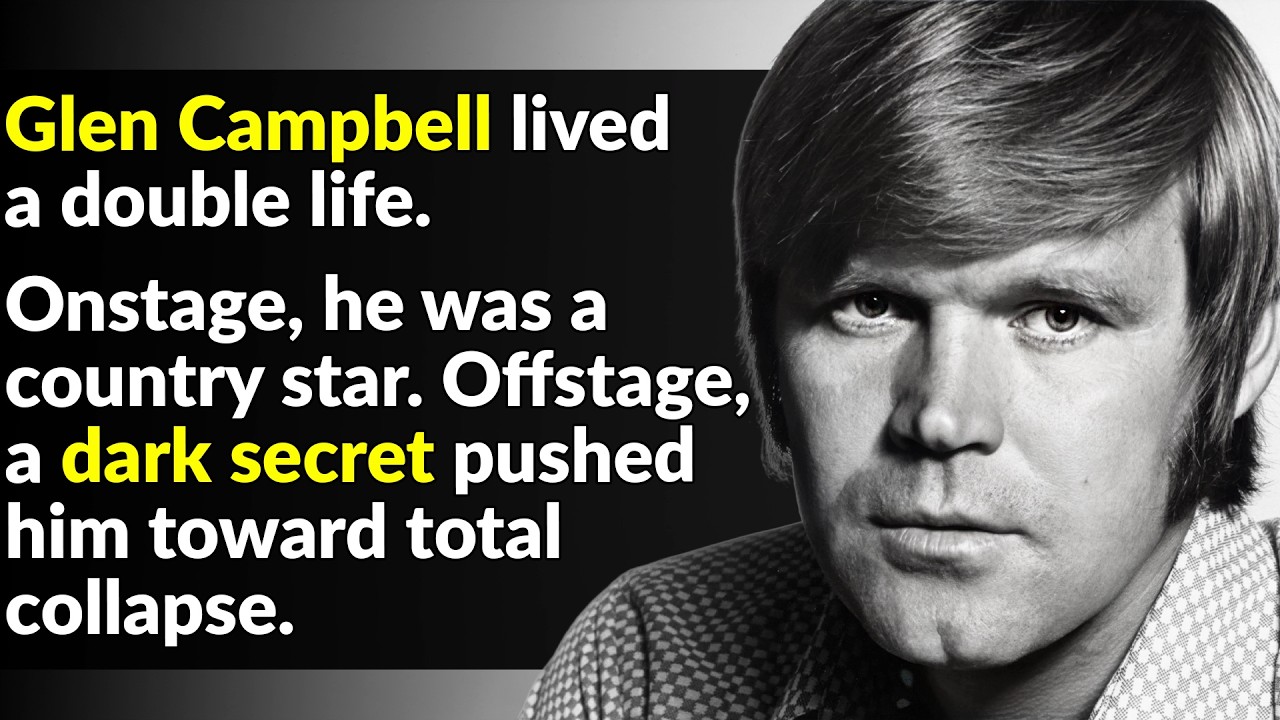
Glen Campbell Couldn’t Outrun His Demons

Glen Travis Campbell, the Rhinestone Cowboy whose polished stage persona masked a tortured soul, has died at the age of 81, leaving behind a legacy of soaring music and a life consumed by demons he could never fully outrun. The country music legend passed away on August 8, 2017, after a long battle with Alzheimer’s … Read more

16 August 2026

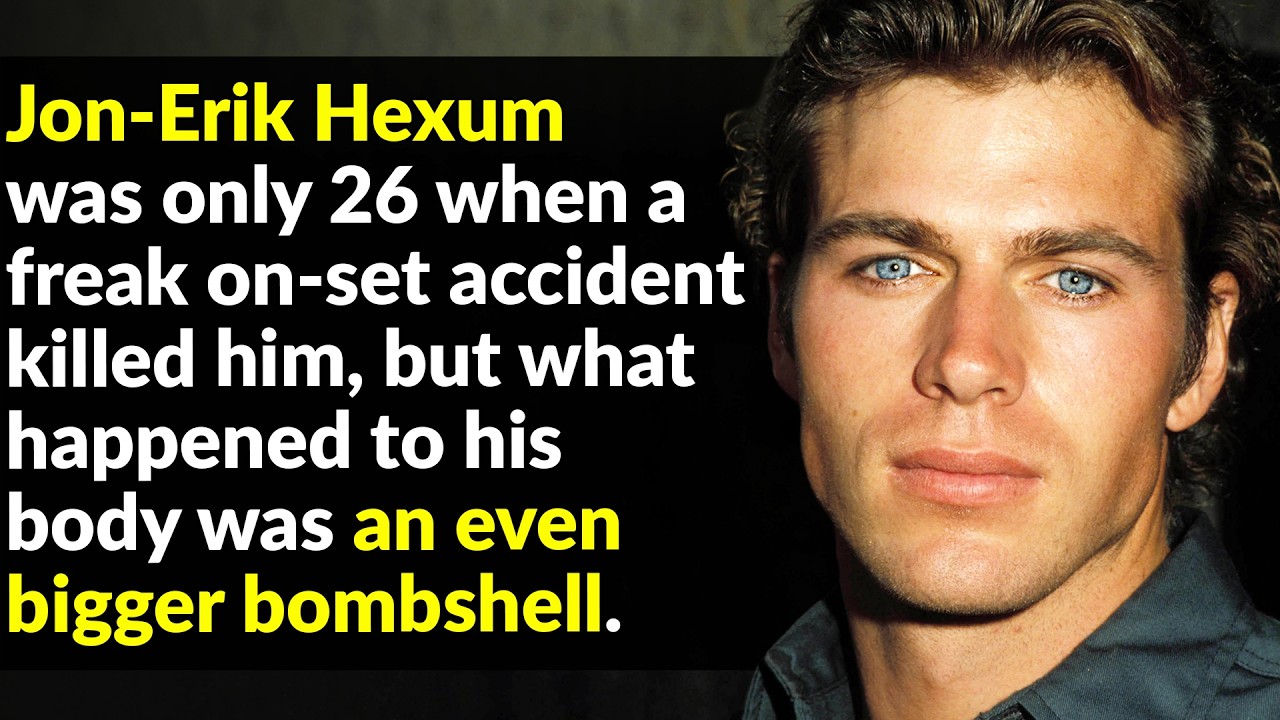
What Happened To Jon-Erik Hexum?

A 26-year-old television star known for his chiseled physique and rising career is dead after a devastating on-set accident, but his final act of generosity has given new life to multiple recipients. Jon-Erik Hexum, the lead actor in CBS’s “Cover Up,” died on October 18, 1984, six days after a blank round from a . … Read more

16 August 2026

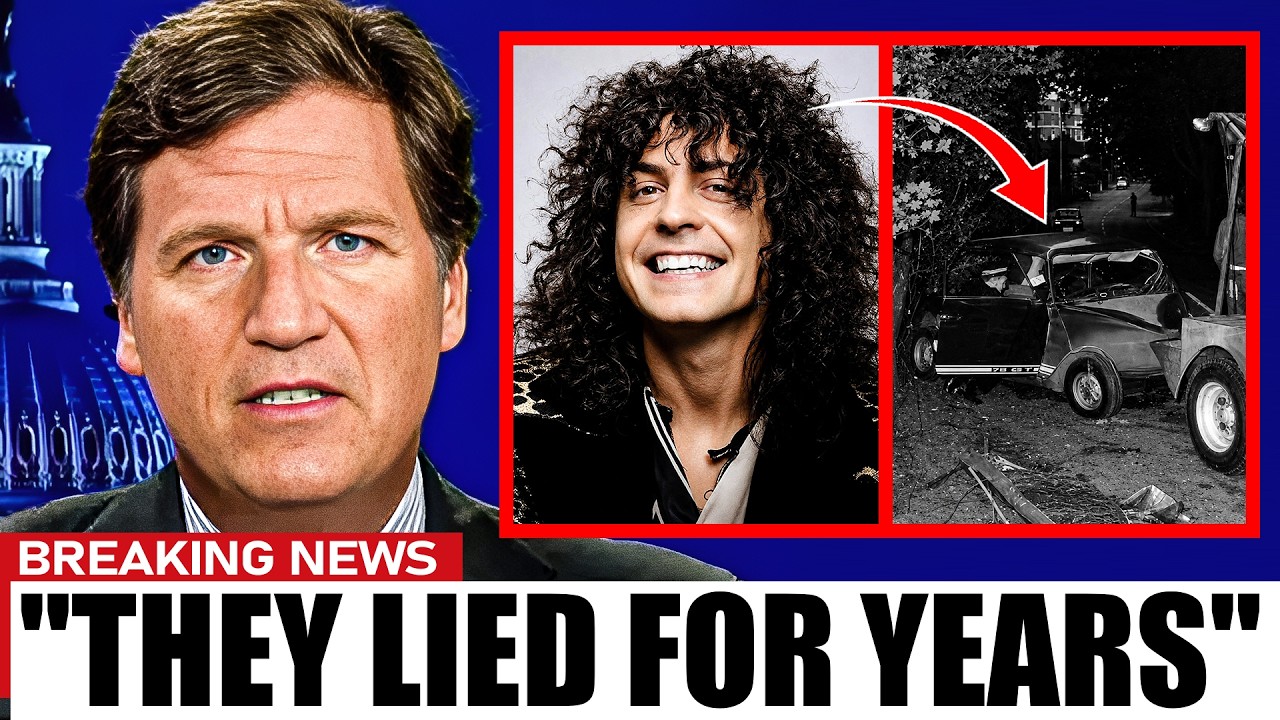
New Details On Marc Bolan’s Death Change Everything

The long-accepted story of Marc Bolan’s death has just been shattered by forensic evidence that remained hidden for nearly half a century. The glam rock pioneer did not die when his purple Mini struck a sycamore tree on a quiet London road in September 1977. Instead, a steel-reinforced fence post—equipped with a large structural eye bolt—sliced through the passenger window and killed him instantly, before the car ever reached the tree that became his shrine. Newly surfaced forensic mapping and witness accounts confirm that the primary impact was not with the tree, but with a chain-link fence post protruding from the ground near Gypsy Lane in Barnes, southwest London. The eye bolt, designed to anchor tension wires, penetrated the passenger side window and struck Bolan directly, causing a catastrophic injury that ended his life before the Mini spun to a halt against the sycamore. The tree, which fans have covered with flowers for decades, was merely where the wreckage came to rest. This revelation changes everything about how the world remembers the final moments of the 29-year-old star. For years, the official narrative blamed the tree, the wet road, and the lack of seatbelts. But the truth is far more disturbing: a piece of roadside infrastructure that should never have been placed where it was turned a survivable accident into a death sentence. The vehicle, a 1977 Austin Mini, was mechanically neglected. Police investigators at the time noted that two wheel nuts on the front passenger wheel were completely loose, and the tires were significantly under-inflated. While these failures did not cause the crash, they critically compromised the car’s steering the moment it hit a humpback bridge at speed. A properly maintained vehicle might have stayed on the road entirely. Neither Bolan nor his passenger, singer Gloria Jones, was wearing a seatbelt. Seatbelt use was not yet mandatory in the United Kingdom in 1977, and many drivers still treated them as optional. Had Bolan been buckled in, the eye bolt would have missed him completely. He would have been thrown forward instead of sideways. That small, everyday choice made the difference between life and death. The woman behind the wheel, Gloria Jones, has been unfairly reduced in most accounts to a footnote—the driver who survived while Bolan died. But she was a significant musician in her own right, the writer of the original “Tainted Love,” and the mother of Bolan’s son, Roland. Their relationship was one of the most controversial of his career, as Bolan was still legally married to June Child when he and Jones began their partnership. On the night of September 15, 1977, Bolan and Jones had celebrated the completion of his television series “Marc” at Morton’s Club in Mayfair. They left well past 4 a. m. in light rain. Jones was driving, as Bolan had a lifelong phobia of car crashes and never learned to drive. He reportedly believed with superstitious certainty that he would die in a car accident before his 30th birthday. He was 29 years old, less than a year from that self-imposed deadline. The crash left Jones with a shattered jaw, fractured arm and leg, and severe internal injuries. She was rushed to Queen Mary’s Hospital in Roehampton, where doctors kept her heavily sedated and gave strict instructions that no one was to tell her Bolan had died. The news, they believed, could kill her. She lay in that hospital bed for days, unaware that the man she loved was already gone. She did not attend his funeral on September 20 because she did not know there was a funeral. When she finally learned the truth from her brother, the devastation was compounded by legal cruelty. Bolan had written a will in 1973, still legally married to June Child, leaving everything to his wife and blood family. He had never updated it. A decree nisi had been granted in October 1976, but the final decree absolute was scheduled for October 1977—one month after the crash. In the eyes of the law, Marc Bolan died a married man. Gloria Jones and her two-year-old son Roland were evicted from the home they shared with Bolan. The T. Rex fortune, built on millions of records, was frozen. She had no legal standing, no income, and no assets. She packed what she could and returned to Los Angeles with nothing but the clothes she wore and her child in her arms. What happened next remained a secret for nearly four decades. David Bowie, who attended Bolan’s funeral, saw the injustice and quietly set up a private discretionary trust for Roland Bolan. He funded the boy’s private schooling, living expenses, and upbringing from childhood into early adulthood—demanding absolute silence in return. Roland Bolan himself confirmed the story years before Bowie’s death, revealing a rare act of generosity from a man who used his wealth to protect a fallen friend’s family without any desire for public recognition. Gloria Jones eventually rebuilt her life. In the 2000s, she moved to Sierra Leone and established the Marc Bolan School of Music and Film, teaching underprivileged youth. She did not forget Bolan; she honored him. But the official story of how Bolan died has never sat comfortably with those who examined the evidence. The post-crash forensic mapping now makes clear that the sycamore tree was never the culprit. The real killer was a steel eye bolt on a fence post—a piece of roadside infrastructure that should never have been placed where it was. The tree, ironically, likely saved Gloria Jones from an even worse fate by stopping the car from tumbling down a steep embankment into a drainage ditch. Today, the site on Queen’s Ride is known as Marc Bolan’s Rock Shrine, an international pilgrimage destination where fans leave flowers and notes at the base of the sycamore. In 1997, the T. Rex Action Group stabilized the eroding embankment and placed a dedicated stone memorial. In 2002, a permanent bronze bust of Bolan was added. None of the thousands who visit each year realize that the tree they come to see was never the cause of his death. This new understanding of Bolan’s final moments adds a layer of tragedy to an already heartbreaking story. The fear he carried since childhood—that he would die in a car crash before turning 30—came true not because of a tree, but because of a piece of metal that was never supposed to be there. The truth, hidden for nearly 50 years, reveals that Marc Bolan’s death was not a simple accident. It was a preventable tragedy caused by a combination of mechanical neglect, a dangerous roadside fixture, and a legal system that left the woman he loved with nothing. The music world lost a pioneer on that rainy September morning. Now, the full story of what really happened demands to be told. The tree is innocent. The fence post is not. And the woman who has carried the weight of this secret for half a century deserves to be remembered not as a footnote, but as the partner, mother, and survivor she always was.

16 August 2026

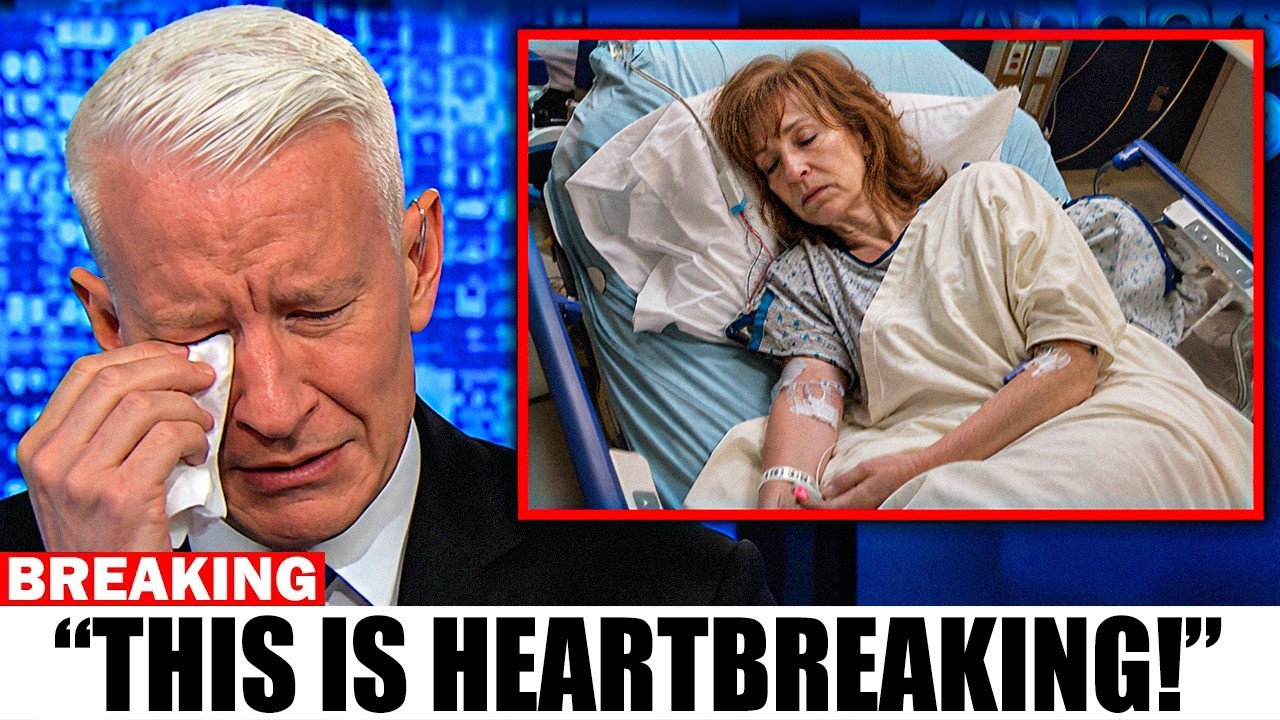
At 83, Joy Behar Confirms The Tragic Health Update

Joy Behar, the 83-year-old icon of daytime television, has finally broken her silence on a health battle that has left fans visibly worried for months, revealing a struggle far more complex and heartbreaking than anyone had imagined. In a candid on-air confession during the July 6th broadcast of The View, Behar addressed the alarming changes … Read more

16 August 2026

The Devastating Downfall Of Kristin Nelson

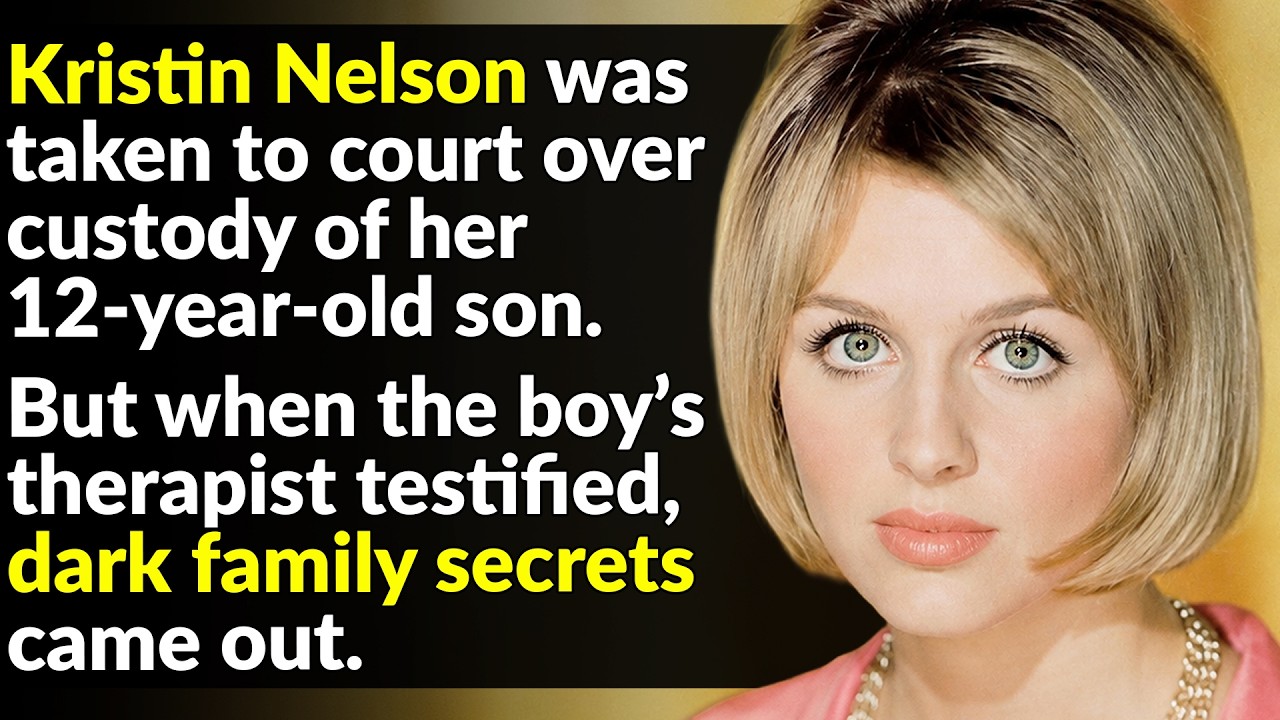
The devastating downfall of Kristin Nelson, the glamorous California girl who married pop star Ricky Nelson and seemed to live an all-American dream, ended in a bitter courtroom bloodbath that exposed years of addiction, betrayal, and a desperate fight to keep her children—a fight she ultimately lost to her own brother, actor Mark Harmon. In 1987, Harmon took his sister to court to gain custody of her 12-year-old son, Sam. When the boy’s therapist took the stand, dark secrets were revealed, turning a private family struggle into a public spectacle that would haunt them all. Kristin Nelson was fighting for her child, but her past was about to swallow her whole. Born Kristin Harmon on June 25, 1945, in Burbank, California, she seemed destined for a picture-perfect life. Her father was Heisman Trophy winner Tom Harmon, her mother a model. She grew up alongside America’s favorite TV family, the Nelsons, and at just 17, pregnant and terrified, she married Ricky Nelson. The wedding was rushed, the pregnancy hidden, but the couple stepped into the spotlight of The Adventures of Ozzie and Harriet. Behind the scenes, the fairytale was rotting. Ricky’s career as a teen idol gave way to a rock star lifestyle filled with drugs, alcohol, and countless affairs. Kristin later admitted, “We did what everyone else was doing all those years,” a subtle confession to heavy substance use that eroded their marriage. She tried to keep up, joining him on the road, but soon realized they were both drowning. Despite giving birth to twin sons Gunnar and Matthew in 1967 and later daughter Tracy and son Sam, the marriage crumbled. Ricky’s touring, his refusal to stop using drugs, and his infidelity—including an estimated 1,000 women—pushed Kristin to the edge. She tried therapy, but Ricky stopped attending. She begged his family for help; they denied any problem existed. In 1977, she filed for divorce, then pulled back for another try. She demanded Ricky quit music. He refused. By 1980, she was back in court, filing again. The divorce dragged on for two years, with both sides accusing each other of drinking and bad parenting. Ricky claimed he was broke; Kristin suspected he was hiding assets. The lawyers bled him dry, taking over a million dollars in fees. Then came the tragedy. On New Year’s Eve 1985, Ricky’s aging DC-3 plane crashed in a Texas cow pasture, killing him, his fiancée, and most of his band. Kristin was now a single mother with no income and a shattered family. She sued the Nelson estate for money but lost. Her daughter Tracy later described a physical fight at Ricky’s funeral, with Kristin throwing Tracy to the ground and swinging her purse. Desperate, broke, and sinking deeper into addiction, Kristin turned to painting—her lifelong passion. Her art had once been bought by Jacqueline Kennedy and Mia Farrow, but now she couldn’t bear to pick up a brush. Her younger brother Mark Harmon, then a star on St. Elsewhere, convinced her to enter rehab. She later credited him as the only one who could have made her go. But the trust was fragile. After rehab, Harmon filed for custody of Sam, claiming the boy was afraid of his mother. Sam had drawn a picture of Kristin as a dragon in therapy. Harmon’s wife, Pam Dawber, testified that Sam feared going home because Kristin called him names and yelled. In July 1987, a judge awarded Harmon temporary custody and ordered Kristin to stay 200 yards from Harmon’s house. The custody trial that August was a bloodbath. Kristin accused Dawber of using drugs during her Mork & Mindy days. Harmon and Dawber countered with stories of Kristin’s own substance abuse and erratic behavior. The courtroom became a public forum for every dark secret the family had tried to hide. Then, suddenly, Harmon dropped the case. He agreed to visitation rights only, provided Kristin attended therapy with Sam and him. Kristin got a second chance with her son. But the damage was done. In 1988, she married Mark Tinker, producer of St. Elsewhere and son of Mary Tyler Moore. That marriage lasted until 2000. After that, she moved to Santa Fe, New Mexico, seeking peace. Her children found their own paths: Tracy acted, the twins Gunnar and Matthew formed the band Nelson, and Sam studied psychology and film. Kristin seemed to find contentment in her final years, but health problems emerged. Around 2017, she fell into a coma. Her daughter Tracy said she saw a clenched jaw and knew her mother still had fight. Kristin recovered, but on April 27, 2018, she died of a heart attack at home in Santa Fe. She was 72. The world barely noticed. Tracy posted the news on Facebook, but it was only when her brother Mark Harmon’s show NCIS aired its season finale that media outlets stumbled upon the announcement. Without that show, who knows when anyone would have mourned Kristin Nelson. The woman who once had it all—Hollywood royalty, a painting career that caught the eye of first ladies, a marriage to a pop idol—ended her life largely forgotten. The custody battle with her own brother exposed every flaw, every addiction, every desperate act. It was a very public bloodbath that left no one unscathed. And in the end, no one seemed to care.

15 August 2026

What Happened to Claudine Longet?

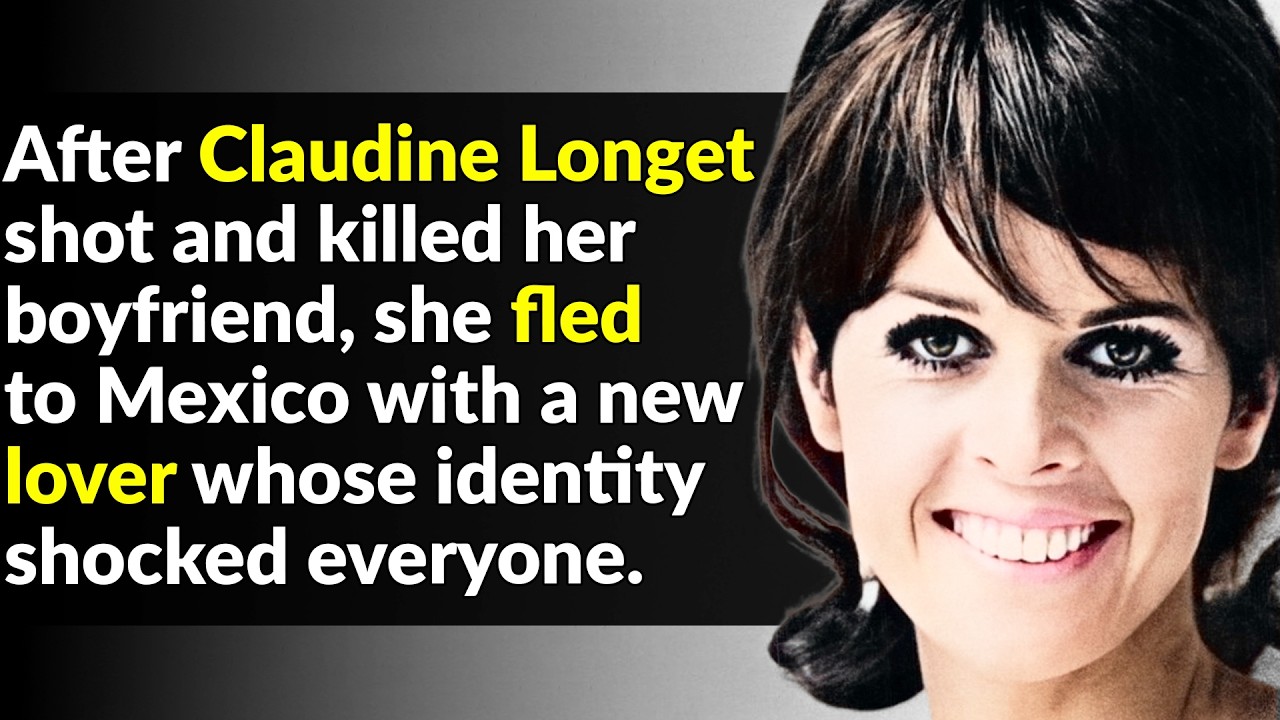
Claudine Longet, the French-born singer and actress whose 1976 fatal shooting of her boyfriend sparked one of the most controversial trials of the 20th century, has died at the age of 84, leaving behind a legacy forever tainted by a single, deadly moment in an Aspen bathroom. Longet passed away on May 14, 2026, in Hawaii, where she had lived quietly with her second husband, attorney Ron Austin, after selling their Colorado property for nearly $60 million in 2023. Her death closes a chapter on a story that captivated and outraged America for decades. The saga began on March 21, 1976, when Olympic skier Vladimir “Spider” Savage was shot once in the abdomen in Longet’s Aspen home. Savage, a former U. S. Olympic team member and one of America’s most eligible bachelors, died from blood loss in the ambulance, with Longet by his side. Longet claimed the shooting was an accident, saying Savage was showing her how to use the pistol while preparing to shower. But the autopsy told a different story: Savage was standing nearly two meters away, bent over, with his back to her when the gun fired. Police charged Longet with manslaughter, but the case quickly became a spectacle. Her ex-husband, legendary singer Andy Williams, flew to Aspen to support her and pay for her legal defense. Williams had been married to Longet from 1961 until their separation in 1970, and they remained close for the sake of their three children. The trial exposed glaring police errors. Authorities took a blood sample from Longet without a warrant, revealing cocaine in her system. They also seized her diary, which contradicted her claim of a happy relationship with Savage. Both pieces of evidence were thrown out. Even the murder weapon was mishandled. An inexperienced officer wrapped the pistol in a towel, stored it in his glove compartment, and left it there for weeks, compromising any forensic value. The prosecution’s case crumbled. After just four hours of deliberation, the jury returned a verdict that shocked the nation. Longet was found guilty only of misdemeanor negligence. The judge sentenced her to 30 days in jail, which she could serve on weekends. She also paid a fine of just $250. But before she even finished serving that paltry sentence, Longet fled to Mexico with her lawyer, Ron Austin, who left his wife and family to be with her. The move ignited fury, especially from Savage’s family, who had already been devastated by the lenient outcome. The Savage family filed a civil lawsuit, which was settled out of court. The terms remain sealed, but the agreement reportedly bars Longet from ever discussing the shooting or the settlement. The criminal case was closed, but public outrage never fully subsided. Longet’s life before the shooting was one of glamour and rising fame. Born in Paris in 1942, she began dancing for tourists as a teenager and was soon discovered by nightclub promoter Lou Walters, who brought her to Las Vegas to perform at the Tropicana’s Folies Bergère. It was in Las Vegas that she met Andy Williams, who stopped to help her with a car problem. They married in 1961, and Williams’ career skyrocketed after he sang “Moon River” at the 1962 Academy Awards. Longet appeared on his TV show and pursued acting, landing roles in “McHale’s Navy” and other series. Her singing career took off after a guest spot on “Run for Your Life” caught the attention of Herb Alpert, co-founder of A&M Records. She signed a contract and released hit songs, while also starring alongside Peter Sellers in the cult classic film “The Party.” Longet and Williams were close friends with Senator Robert F. Kennedy and his wife Ethel. On June 4, 1968, they were in a suite at the Ambassador Hotel when Kennedy was assassinated. Longet and Williams rushed to the hospital, but Kennedy died. They later named their third son Robert in his honor. By 1970, Longet’s marriage to Williams was falling apart. They separated amicably, and she moved to Aspen with her three children to live with Spider Savage. But reports soon emerged that Savage was considering ending the relationship, and Longet’s diary revealed the relationship was deteriorating. The Rolling Stones immortalized Longet’s infamy. Her photo appeared on the cover of their 1978 album “Some Girls,” alongside other infamous women. Their next album included a song titled “Claudine” with lyrics about shooting a man in the head, but lawyers forced its removal. It was finally released on a 2008 reissue. After the trial, Longet married Ron Austin in 1985, and they remained in Aspen despite local suspicion. In 2023, they sold their property and moved to Hawaii, where they lived quietly until her death. The prosecutor on her case, Frank Tucker, famously said, “When a celebrity walks into court through the front door, justice walks out the back.” Longet’s obituaries are dominated by the shooting, overshadowing her career achievements and her years with Andy Williams. She is survived by her three children and her husband, Ron Austin. The full story of what happened in that Aspen bathroom remains a mystery, sealed by a settlement and a lifetime of silence.

15 August 2026

Why Rowan Atkinson (Mr. Bean) Refuses to Talk About His Darkest Secret

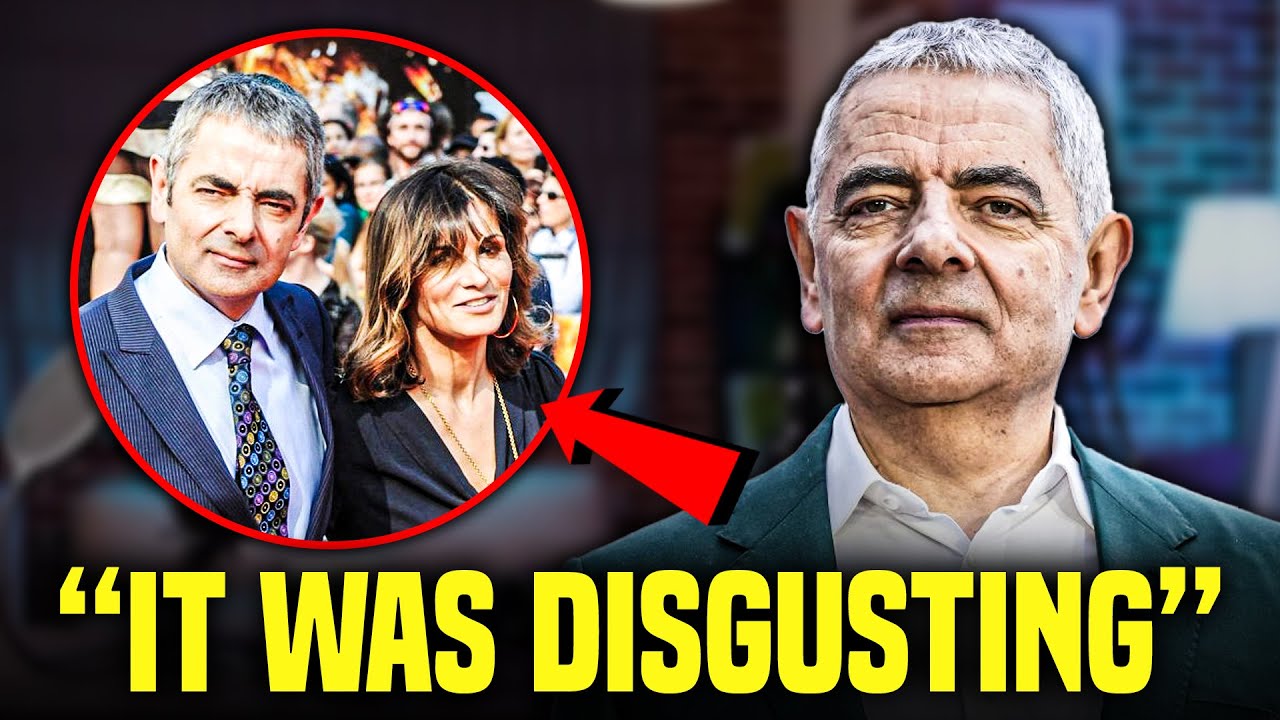
The man who made the world laugh without a single word has been hiding a pain so profound it silenced him for more than a decade, and now new revelations expose the heartbreaking truth behind Rowan Atkinson’s decades-long retreat from the spotlight. Atkinson, the legendary comedian behind the iconic silent character Mr. Bean, has not spoken publicly about the most devastating chapter of his life. But sources close to him have now revealed that a family tragedy in early 2012—the death by suicide of his younger brother, Rodney Atkinson—triggered a spiral of guilt, withdrawal, and emotional isolation that he has never been able to escape. According to multiple insiders, Rodney sent a series of desperate emails to Rowan in the weeks before his death, hinting at emotional distress. Rowan was filming abroad at the time and did not respond immediately. When he finally reached out, it was too late. He did not even attend the funeral. “He didn’t cry at first, but later he couldn’t stop,” a close friend said. “He shut down completely. He went into a cave and never really came out.” The tragedy was kept out of the media entirely. No obituaries, no funeral announcements. Insiders claim Atkinson used his wealth and influence to bury the story, hoping to protect his family—and himself—from having to face it publicly. But the guilt did not fade. It transformed into a pattern of silence that would define the rest of his life. Atkinson’s sudden disappearance from public life in 2012 had puzzled fans and industry insiders for years. No farewell tour, no public statement. He simply vanished. Now, the reason is clear: he was broken. The silence extended beyond his career into his personal relationships. His daughter, Lily Atkinson, publicly distanced herself from him in 2017, deleting all traces of her father from social media and legally changing her last name to Sastri, her mother’s maiden name. Insiders say she felt abandoned emotionally and physically while Rowan was consumed by his career and later by a controversial relationship with Louise Ford, a woman nearly 30 years younger. That relationship cost him his marriage to Sunetra Sastri after 25 years. Sources say Sunetra was quietly battling a serious illness at the time, and Rowan’s children were furious. Neither Lily nor her brother Ben attended his wedding to Ford in 2016. The family was shattered. Atkinson’s own daughter called the split “the end of everything we knew.” He has never spoken about it. But the pain runs even deeper. In 1999, a sealed lawsuit was filed in London’s High Court by a former personal assistant who accused Atkinson of verbal mistreatment and psychological distress. The case never went to trial. Insiders say he paid a settlement of over £250,000 plus strict NDAs to make it disappear. The assistant’s identity remains protected, and the details have been buried for more than two decades. A source familiar with the case said, “He doesn’t just guard his privacy—he guards his flaws with money, with silence, with fear.” That fear was already present long before the lawsuit. Atkinson has battled crippling stage fright and anxiety since his university days. He created Mr. Bean as a shield—a character who never had to speak. “Mr. Bean wasn’t just a comedic invention,” a colleague said. “It was a mask for a terrified man.” In 1994, after a live performance in France, Atkinson suffered a full breakdown backstage, unable to breathe after forgetting a monologue. He flew home the next morning and did not speak to anyone for days. The anxiety never left. He avoided interviews, skipped talk shows, and rejected emotional scripts. A producer who tried to get him to discuss mental health for a BBC documentary said, “He told me, ‘If I start talking about it, I’ll never stop. So I don’t start.’” Then came the car crash. In August 2011, Atkinson lost control of his McLaren F1 on a winding road in Cambridgeshire. The car spun, hit a tree, and burst into flames. He crawled out moments before it was engulfed. Headlines reported minor injuries, but the truth was far worse: a long-term concussion, shoulder and back injuries, and symptoms of PTSD. He refused therapy. Instead, he sold the car—the machine he once called “the most brilliant ever built”—and withdrew further. “It’s a machine I no longer trust,” he said. Friends say he meant far more than the car. Atkinson’s obsession with perfection also destroyed his closest friendships. He fired entire crews without explanation, cut off longtime collaborators like Stephen Fry, and stopped attending reunions. A crew member said, “Talking to him felt like knocking on a locked door.” He came to resent Mr. Bean, the character that made him famous. In 2015, he turned down a £5 million Netflix reboot without negotiation. He called the character “a burden I created and can’t escape.” A director who attempted a tribute said, “Rowan told me Mr. Bean is not a celebration anymore. He’s a shadow.” Now, sources confirm that Atkinson has requested all his handwritten journals be destroyed upon his death. No memoirs, no interviews, no documentaries. He has given the world his work, he once said, but never his wounds. “People assume comedians are always happy,” a close friend said. “But Rowan’s silence was never peaceful. It was painful. And he has spent 12 years hiding a heartbreak so deep he refuses to let anyone see it.” The story of Rowan Atkinson is not one of scandal or crime. It is the story of a man who built the world’s most beloved silent character because he could not bear to speak about his own pain. And in the end, the silence spoke volumes—about guilt, loss, and the cost of a life lived behind a mask. The laughter stopped long ago. The truth is only now being told.

15 August 2026