Why Your Post-Run Routine Matters More Than You Think
You just crushed your run. Heart’s pounding, legs are burning, and you feel like a champion. So what do most runners do next? Flop on the couch. Grab a snack. Skip everything else.
Big mistake.
What you do in the 30 minutes after running determines how you’ll feel tomorrow — and whether you’ll be sidelined next week with tight hamstrings or worse. The best recovery exercises after running aren’t complicated or time-consuming. They’re simple movements that help your muscles release tension, improve blood flow, and prepare your body for the next workout.
I’ve seen runners train for months, hit their stride, then get knocked out by preventable injuries. Almost always, it’s because they ignored recovery. Don’t be that person.
The Immediate Cool-Down: Walk Before You Stop

Here’s something most people skip entirely. When you finish running, don’t just stop.
Your heart’s working overtime. Blood is pooling in your legs. Suddenly stopping forces your cardiovascular system to slam on the brakes — and that’s how you end up dizzy or nauseous.
Walk for 3-5 minutes at an easy pace. Let your heart rate come down gradually. This isn’t optional; its essential. Think of it as the bridge between running and recovery.
During this walk, shake out your arms. Roll your shoulders. Take deep breaths. Your body needs this transition period to shift from “fight or flight” back to normal operations.
Dynamic Stretches That Actually Work
Static stretching right after a run? Controversial. Your muscles are warm but also fatigued. Aggressive static holds can sometimes do more harm than good.
Instead, start with gentle dynamic movements:
Leg swings — Stand on one leg (hold something for balance), swing the other leg forward and back like a pendulum. Do 15-20 swings per leg. This loosens your hip flexors and hamstrings without overstretching.
Walking lunges — Take 10 slow lunges across your yard or living room. Keep them shallow. You’re not trying to build muscle here; you’re encouraging blood flow and range of motion.
Ankle circles — Runners neglect their ankles constantly. Sit down, lift one foot, and make slow circles in both directions. 15 each way, per ankle. Your future self will thank you.
The Hip Flexor Release You’re Probably Skipping

Your hip flexors take a beating during every single run. They’re working constantly, and they get tight — wickedly tight.
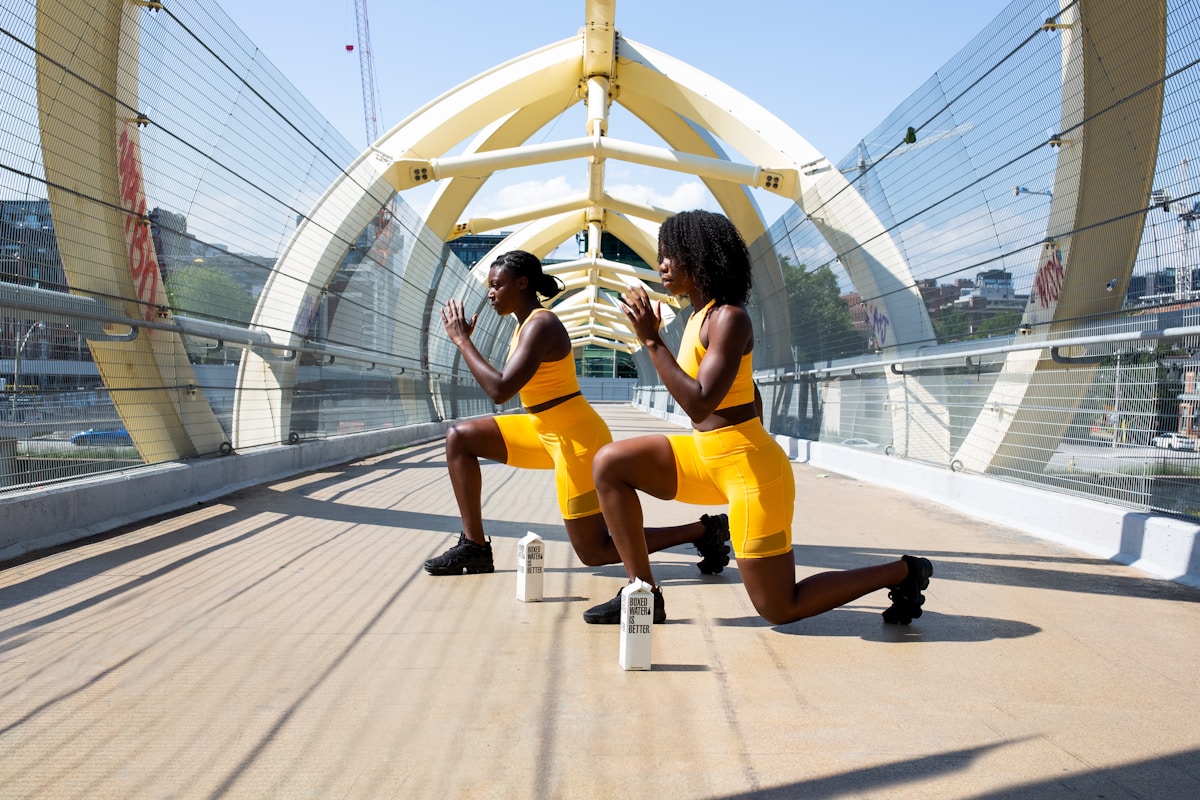
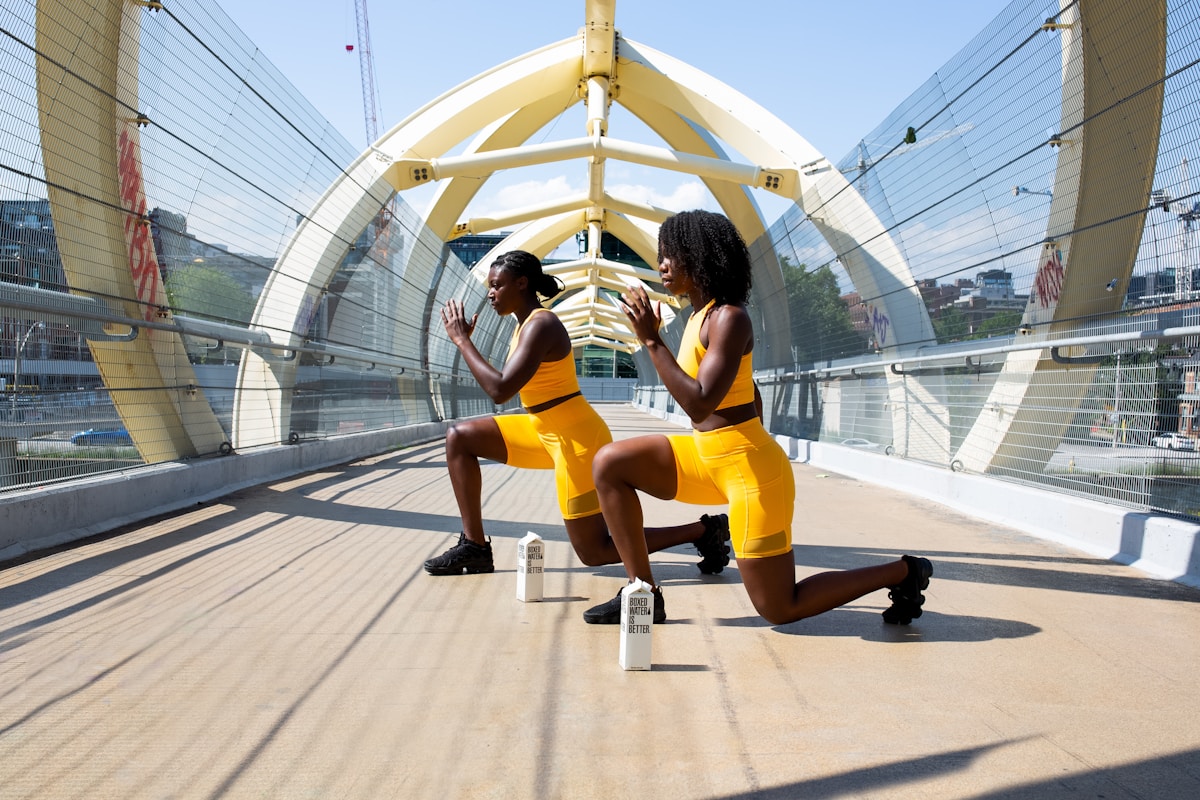
Kneel on one knee with your other foot flat in front of you, like you’re proposing. Tuck your pelvis under slightly and lean forward into the stretch. Hold for 30-45 seconds per side.
Feel that deep stretch in the front of your hip? That’s the psoas and iliacus releasing tension they’ve been holding. Most runners have chronically tight hip flexors, and this one stretch can prevent a cascade of problems that lead to lower back pain and IT band issues.
If you’re dealing with persistent muscle tightness after workouts, you might find some overlap with strategies for preventing muscle soreness after intense workouts — the principles apply across different training styles.
Foam Rolling: The Love-Hate Relationship
Nobody enjoys foam rolling. Let’s be honest about that. But few things work better for breaking up fascial adhesions and improving tissue quality.
Focus on these areas post-run:
Quads — Lie face down with the roller under your thighs. Roll from just above your knees to your hip crease. When you hit a tender spot (and you will), pause there for 20-30 seconds.
IT band — This one hurts. Lie on your side with the roller under your outer thigh. Roll from your hip to just above your knee. Go slow. Breathe through it.
Calves — Sit with the roller under your calves. Cross one ankle over the other for more pressure. Roll from your Achilles up toward your knee.
Spend 60-90 seconds per muscle group. You dont need fancy equipment — a basic foam roller from any sporting goods store works fine.
Gentle Yoga Poses for Runners
You don’t need to become a yoga devotee, but a few specific poses target runner-specific tightness remarkably well.
Downward dog — Classic for a reason. It stretches your calves, hamstrings, and shoulders simultaneously while decompressing your spine. Hold for 5-8 breaths.
Pigeon pose — This goes deep into your glutes and piriformis. From a plank position, bring one knee forward behind your wrist, extend the other leg back, and lower your hips toward the ground. Hold for 60 seconds per side. Some people feel this intensely; others barely notice it. Both are normal.
Supine twist — Lie on your back, bring one knee across your body toward the opposite shoulder, and let it fall toward the floor. Keep both shoulders grounded. This releases lower back tension that accumulates during running.
The Importance of Hip and Glute Activation
Here’s something counterintuitive: part of recovery involves light activation work for muscles that went dormant during your run.
Your glutes often “turn off” during running, forcing your hamstrings and lower back to compensate. Reactivating them post-run helps restore proper movement patterns.
Glute bridges — Lie on your back, feet flat, knees bent. Squeeze your glutes and lift your hips toward the ceiling. Hold for 2-3 seconds at the top. Do 15-20 reps with slow control.
Clamshells — Lie on your side with knees bent at 90 degrees. Keep your feet together and lift your top knee toward the ceiling, then lower. Do 15-20 per side.
These aren’t strength exercises in the traditional sense. You’re using light activation to remind your nervous system how these muscles should fire. If you’re serious about athletic performance, improving flexibility and mobility should be part of your regular routine.
Breathing Exercises Most Runners Ignore
Your diaphragm worked hard during that run. It’s a muscle, and it deserves recovery attention too.
Lie flat on your back with one hand on your chest, one on your belly. Breathe deeply through your nose, directing air into your belly (your lower hand should rise first). Exhale slowly through your mouth.
Do this for 2-3 minutes. It activates your parasympathetic nervous system — the “rest and digest” mode that tells your body it’s safe to recover. Sounds simple because it is. But most runners are stuck in sympathetic overdrive, and this brings them back down.
Creating Your Personal Recovery Routine
You don’t need to do everything listed here after every run. That would take an hour and you’d eventually abandon it entirely.
Instead, build a realistic 10-15 minute routine:
- 3-5 minutes walking cool-down
- 2 minutes leg swings and dynamic movement
- 3-4 minutes foam rolling (rotate focus areas)
- 3-4 minutes targeted stretches (hip flexors, calves, glutes)
- 2 minutes breathing
That’s it. Stick with this consistently and you’ll feel the difference within two weeks. Your legs will recover faster between runs. That chronic tightness in your hips? It’ll start fading.
When Recovery Exercises Aren’t Enough
Sometimes post-run tightness signals something deeper. If you’re doing everything right and still feeling wrecked after easy runs, consider whether you’re:
- Running too much too soon
- Sleeping poorly
- Under-fueling or dehydrating
- Ignoring a nagging injury
Recovery exercises support good training. They can’t fix bad training. Listen to your body. If the same muscle keeps screaming at you despite consistent recovery work, see a sports physio. Early intervention beats months of frustration.
The Bottom Line
The best recovery exercises after running are the ones you’ll actually do. Consistency beats perfection every time. Start with a simple cool-down walk, add foam rolling and hip stretches, and build from there.
Your running improves when your recovery improves. They’re two sides of the same coin. Put in the work after the run, and you’ll run better, longer, and with fewer injuries. And isn’t that the whole point?