For eleven unforgettable seasons, MASH* blended comedy, heartbreak, and the harsh realities of war, becoming one of the most influential television series ever made. But while the show continued to grow stronger, several of its biggest stars chose to walk away—each for very different reasons.
The series began in 1972 as an adaptation of Richard Hooker’s bestselling novel and Robert Altman’s acclaimed 1970 film. Although the first season struggled in the ratings, CBS gave it another chance, and it soon became a cultural phenomenon. As the show evolved, Alan Alda’s Hawkeye Pierce gradually became its emotional center, with Alda also taking on larger roles as a writer and director. That creative shift would influence several major cast departures.
The first was McLean Stevenson, who played the lovable Colonel Henry Blake. Wanting to avoid being typecast and hoping to become the star of his own television series, Stevenson left after the third season. Instead of giving Henry a traditional farewell, the writers shocked audiences by revealing that his plane had been shot down on the way home. The heartbreaking ending of Abyssinia, Henry became one of television’s most unforgettable moments. Although Stevenson later starred in several sitcoms, none matched the success of MASH*, and he later admitted he regretted leaving.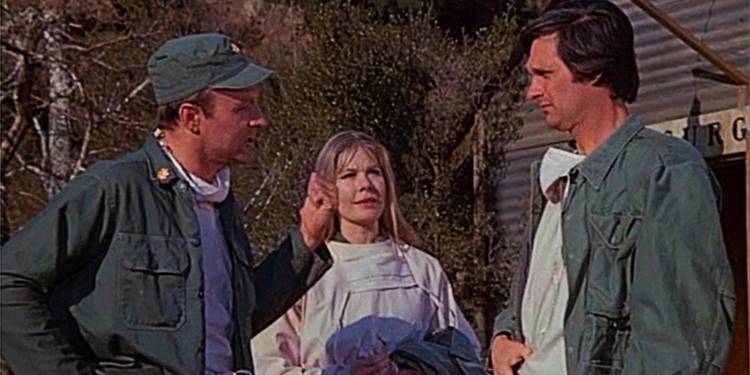
Next came Wayne Rogers, who portrayed Trapper John McIntyre. Rogers had expected MASH* to remain a true ensemble series, but as Hawkeye became the primary focus, he felt his character had fewer opportunities to grow. After contract disputes, Rogers left between seasons, and Trapper simply disappeared without a proper goodbye. His departure opened the door for Mike Farrell to join the cast as B.J. Hunnicutt, who quickly became one of the show’s most beloved characters.
Larry Linville, who played the arrogant Major Frank Burns, also chose to leave after five seasons. He believed the character had reached his limit creatively and did not want to keep repeating the same jokes. Rather than replace Frank with another comic villain, the writers introduced David Ogden Stiers as Major Charles Winchester—a brilliant but deeply human surgeon who added new depth to the series.
Another emotional farewell came when Gary Burghoff left as Radar O’Reilly. After years of demanding filming schedules, Burghoff wanted to spend more time with his family. Radar’s goodbye, in which he returned home to help his mother run the family farm, marked the end of the camp’s innocence and became one of the show’s most touching episodes.
Despite these departures, MASH* never lost its heart. New characters such as Colonel Potter, B.J. Hunnicutt, and Charles Winchester weren’t replacements—they brought fresh perspectives that helped the series mature into one of television’s greatest dramas.
Rather than weakening the show, the changing cast reflected the reality of war itself. People came and went, friendships changed, and life rarely offered perfect goodbyes. That honesty is one of the reasons MASH* continues to resonate with audiences more than forty years after its finale.


