For generations of television fans, The Andy Griffith Show has represented the ideal small-town America—warm, funny, and filled with unforgettable characters.
So when Elinor Donahue, who played pharmacist Ellie Walker, suddenly disappeared after the first season, viewers were left wondering what had happened.
Recent headlines claim that “Miss Ellie finally revealed the three reasons she left” and suggest fans were furious.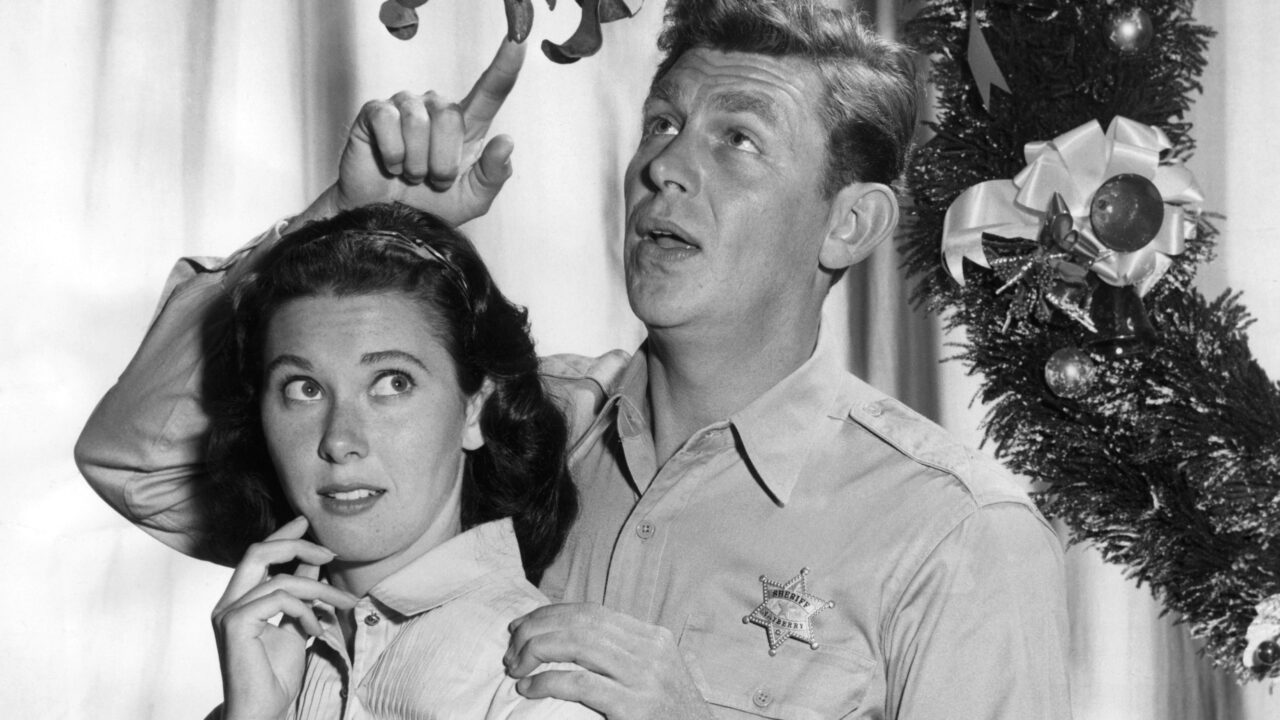
The truth is less sensational but far more revealing about the realities of early television.
Rather than a dramatic feud or secret scandal, Donahue’s departure resulted from a combination of creative uncertainty, personal stress, and the simple realization that the role was not developing as anyone had originally expected.
When The Andy Griffith Show premiered in 1960, producers envisioned Ellie Walker as an important addition to Mayberry.
Unlike many female characters on television at the time, Ellie was an independent professional. As the town pharmacist, she was intelligent, confident, and perfectly capable of matching Sheriff Andy Taylor’s wit.
Many expected Ellie to become Andy’s long-term romantic interest.
Instead, the relationship never fully found its rhythm.
In later interviews, Elinor Donahue explained that she often felt uncertain about where the writers intended to take her character. While Andy Taylor’s relationships occasionally appeared in individual episodes, the series increasingly focused on the friendship between Andy and Barney Fife, family life with Opie and Aunt Bee, and the colorful residents of Mayberry.
As the show’s identity became clearer, Ellie naturally occupied less of the spotlight.
Donahue has also spoken candidly about how intimidating the production could feel.
Much of the cast had already developed a comfortable working relationship, particularly after Don Knotts joined the series as Barney Fife. Although everyone remained professional, Donahue later admitted that she sometimes felt like an outsider trying to find her place within an already close-knit ensemble.
The pressure affected her personally.
She has recalled becoming physically exhausted from the stress of filming and the uncertainty surrounding her role. During one period, her health declined enough that she required hospitalization.
One memory from that difficult time stayed with her for decades.
Donahue later remembered that Don Knotts was the cast member who reached out to check on her while she was recovering. She has spoken warmly of his kindness, describing it as a gesture she never forgot.
Importantly, she has never suggested that the rest of the cast treated her with hostility.
Instead, she has generally portrayed the experience as one in which everyone was focused on the demanding schedule of producing a weekly television series.
Ultimately, Ellie Walker quietly disappeared from The Andy Griffith Show after appearing in only a dozen episodes.
Rather than replacing her with another permanent love interest, the writers largely abandoned the idea of giving Andy a steady romantic partner. Throughout the remainder of the series, Andy dated various women, but none became a lasting central character.
Ironically, Ellie’s departure helped define the show’s future.
By shifting attention away from ongoing romance, the series concentrated more heavily on friendship, family, and the unique personalities that made Mayberry so memorable.
The show experienced other significant departures over the years.
Perhaps the most famous involved Don Knotts.
After five seasons, Knotts left because he believed the series was ending. He accepted a film contract with Universal, only to discover that The Andy Griffith Show would continue without him. Years later, Knotts openly admitted that, had he known the show would remain on the air, he almost certainly would have stayed.
Andy Griffith himself eventually chose to end the series in 1968.
Having played Sheriff Taylor for eight seasons, Griffith worried about becoming permanently identified with the role. Although he deeply appreciated the show’s success, he wanted the opportunity to pursue different creative challenges.
Other cast members followed very different paths.
Frances Bavier, beloved as Aunt Bee, retired to North Carolina after years of television success, though she sometimes expressed mixed feelings about being remembered almost exclusively for one character.
Ron Howard transformed from child actor Opie Taylor into one of Hollywood’s most acclaimed directors, winning Academy Awards for A Beautiful Mind and directing films including Apollo 13.
Jim Nabors became an even bigger television star through Gomer Pyle, U.S.M.C., while also enjoying a successful singing career.
Howard McNear, who played Floyd the Barber, courageously continued acting after suffering a stroke, with the production adapting scenes to accommodate his physical limitations.
Looking back, Elinor Donahue has never portrayed her departure as the result of bitterness or betrayal.
Instead, she has described it as the outcome of a role that never fully developed and a production that naturally evolved in another direction.
Her reflections also highlight something often forgotten about classic television.
Even the happiest shows on screen were created by actors navigating uncertainty, professional disappointment, health challenges, and difficult career decisions behind the cameras.
For Donahue, leaving The Andy Griffith Show may have closed one chapter.
But her graceful honesty about that experience has allowed fans to better appreciate both her contribution to Mayberry and the very human realities behind one of television’s most beloved series.