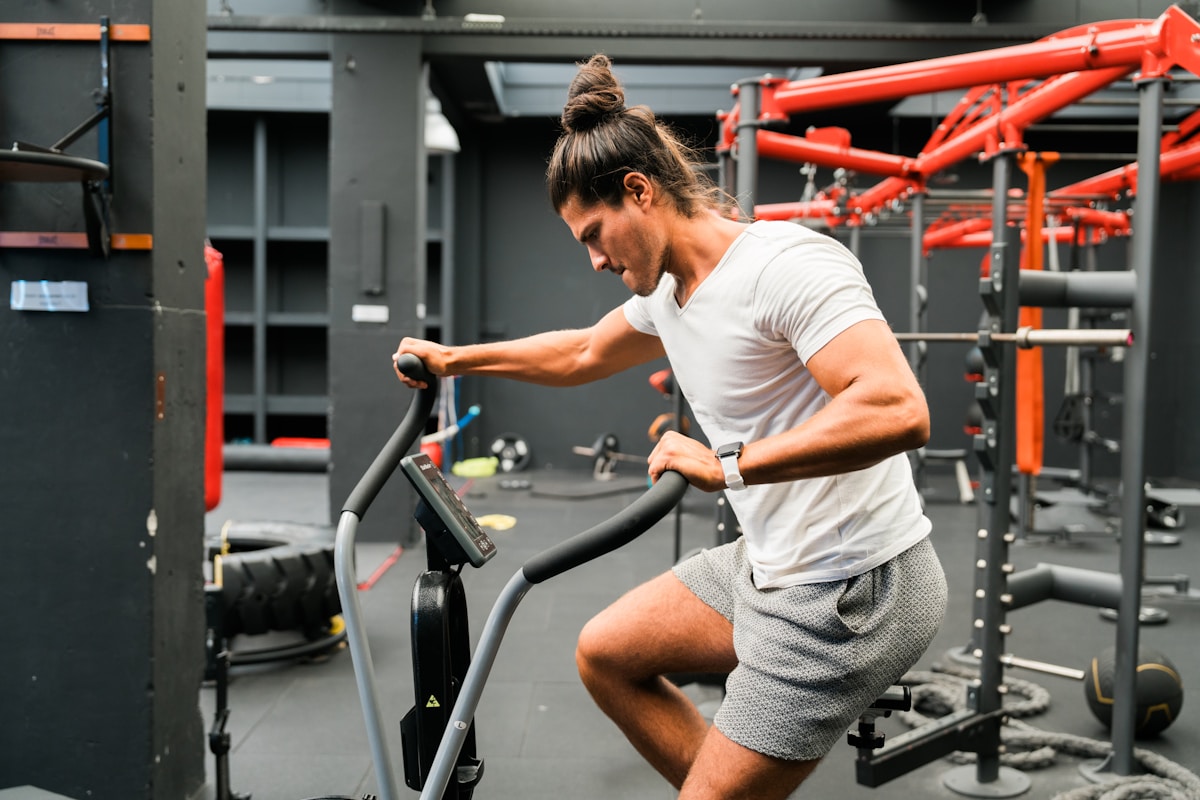
What does “fitness” truly mean to you? For many, the word conjures images of chiseled abs, bulging biceps, or perhaps someone effortlessly running a marathon. We’re constantly bombarded with picture-perfect bodies on social media, in magazines, and on TV. That can make achieving fitness feel like climbing Mount Everest in flip-flops. You look at those aspirational figures and think, “I could never do that.”
But here’s a secret: true fitness isn’t about looking a certain way. It isn’t about chasing an unrealistic ideal or punishing your body with extreme diets and workouts. It’s about feeling good, moving well, and having the energy to live your life to the fullest. It’s about being strong enough to carry your groceries, flexible enough to tie your shoes without groaning, and having the stamina to play with your kids or grandkids. Real fitness improves your quality of life, boosting your physical health, mental clarity, and even emotional resilience. This article cuts through the noise and shows you how to build a fitness routine that actually works for your life.
Defining True Fitness: More Than Just Muscles
Forget the Instagram models for a moment. True fitness is a holistic concept. It’s an intricate dance between different components of your well-being, and neglecting one means your overall health takes a hit. Think of your body as a high-performance vehicle. You wouldn’t just focus on the engine and ignore the tires, brakes, or electrical system, right? The same goes for your personal fitness.
The Pillars of Physical Fitness
When we talk physical fitness, it’s not just about how much you can lift. You’ve got five key areas to consider:
- Cardiorespiratory Endurance: This is your heart and lungs doing their job efficiently. Can you climb two flights of stairs without feeling like you’ve run a marathon? Can you sustain moderate activity for a good half-hour? That’s cardio endurance. Think brisk walking, cycling, swimming, or dancing. Aim for 150 minutes of moderate cardio per week.
- Muscular Strength: The maximum force your muscles can exert in a single effort. This means picking up a heavy box, opening a stubborn jar, or doing a few push-ups. Strong muscles support your bones and joints, preventing injury.
- Muscular Endurance: The ability of your muscles to perform repeated contractions without fatiguing. Holding a plank, carrying several shopping bags, or doing multiple reps of an exercise all fall into this category.
- Flexibility: The range of motion around your joints. Can you touch your toes? Can you reach behind your back comfortably? Good flexibility prevents stiffness and improves posture. Dynamic stretches before a workout and static stretches after are your friends.
- Body Composition: This refers to the proportion of fat and non-fat mass (muscle, bone, water) in your body. It’s not just about the number on the scale. Having a healthy body composition means less excess fat and more lean muscle, which is better for metabolism and overall health.
You don’t need to be a professional athlete in all these areas. You just need a balanced approach. Don’t get stuck in the trap of thinking one type of exercise is superior. For example, some people swear by heavy lifting, others by running, but for comprehensive fitness, you need a mix.
Mental and Emotional Fitness: The Unsung Heroes
Here’s the often-overlooked part of the equation. Your mind plays a massive role in your fitness journey. How you think, feel, and cope with stress directly impacts your physical health and your ability to stick with a routine. Ever notice how a bad day can completely derail your workout plans? That’s not a coincidence.
Things like chronic stress can raise cortisol levels, making it harder to lose weight or build muscle. Poor sleep, often a result of mental strain, messes with your hormones and recovery. It’s a vicious cycle. So, what’s the fix?
Prioritize self-care that nurtures your mind. This could be mindfulness meditation, spending time in nature, reading a good book, or simply unplugging from screens for an hour. Speaking of screens, the constant barrage of “perfect” bodies on social media can really mess with your head, creating unrealistic expectations and self-doubt. It’s a real challenge, especially for younger generations who are growing up with this constant comparison. If you’re struggling with those feelings, it might be helpful to read up on how social media impacts mental well-being and youth. It’s a serious issue, particularly regarding the debate on social media and the protection of minors. Taking breaks from social media can be incredibly liberating for your mental space.
Your Fitness Journey: Where to Start and How to Stick With It

Starting a fitness journey can feel overwhelming, like standing at the base of a giant mountain. Don’t worry. You don’t need to conquer the peak on day one. Just take the first step.
###