In a stunning courtroom revelation that could reshape hip-hop history, Duane “Keefe D” Davis stands trial for the murder of Tupac Shakur, with testimonies implicating Sean “Diddy” Combs as financially involved. If convicted, Davis’s verdict may open a criminal investigation into the legendary mogul himself.
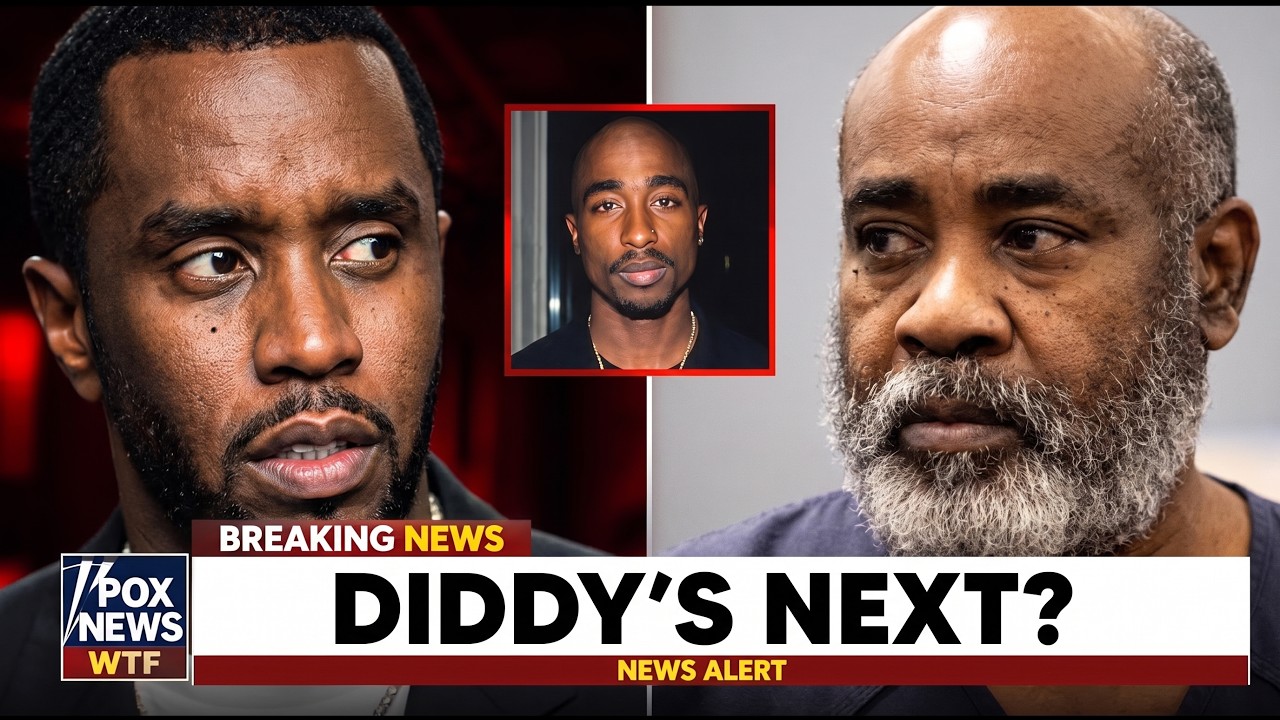
After more than three decades of silence and speculation, the murder case of iconic rapper Tupac Shakur is breaking open in a Las Vegas courtroom. Duane “Keefe D” Davis, accused of orchestrating the fatal shooting, is now at the epicenter of a legal battle with seismic implications for the music industry’s most powerful figures.

The trial has unveiled statements from a former LAPD detective and Davis himself, alleging that Sean “Diddy” Combs offered monetary incentives to arrange Tupac’s killing. Specifically, prosecutors argue Davis was not the shooter but the mastermind who secured the weapon and coordinated the deadly attack.
This is no mere theory or documentary fodder. The Nevada court is hearing live testimonies with jurors weighing evidence that could validate years of rumors and accusations about the involvement of high-profile personalities in one of hip-hop’s darkest chapters.
Inside sources from the Clark County District Attorney’s Office have stated that a conviction of Davis would grant prosecutors the authority to pursue charges against Diddy. This revelation reveals a potential breakthrough, transitioning from cold case to active prosecution targeting an industry titan.
Prosecutors have been meticulously avoiding mentioning Diddy’s name in court to prevent jury contamination and preserve the trial’s integrity. Yet Davis has repeatedly implicated Combs since police interviews in 2008 and in his memoir, claiming he was the financial force behind the ambush against Tupac.
Davis alleges that Diddy offered a million-dollar bounty for Tupac’s assassination, motivated by escalating hostility between rival labels Death Row and Bad Boy. These startling claims gain unprecedented gravity as they come under oath and jury scrutiny for the first time in decades.
Despite these heavy accusations, Diddy has consistently denied any involvement in the murder. Law enforcement agencies, including Las Vegas Metro, previously never named him a suspect. However, the public acknowledgment by a DA insider suggests a shift that could upend years of investigations.
The case’s intensity was highlighted by a shooting incident outside the courthouse during the trial’s second day, underscoring the ongoing simmering tensions and stakes surrounding this historic trial. Tupac’s family was present inside, reinforcing the emotional weight and unresolved trauma still intertwined with this story.
Tupac Shakur was shot four times on September 7, 1996, after a Mike Tyson fight, succumbing to his wounds six days later. For a quarter of a century, no one was charged, relegating his murder to cold case status until Davis’s arrest reignited hopes for justice.
Davis’s decision to speak openly in his book and numerous interviews eventually forced prosecutors to act, shifting this from a cold, unsolved mystery into an active trial. His anger and detailed recounting lend weight to prosecution efforts to prove his role as the murder’s architect.

Should the jury convict Davis, prosecutors plan to leverage the verdict as a gateway to indict Combs. Conversely, if Davis is acquitted, momentum to pursue charges against Diddy is expected to wane significantly, placing enormous pressure on the jurors’ decision.
This trial is unprecedented, not just for hip-hop but for the music industry’s culture of power, protection, and betrayal. It challenges longstanding narratives about who commands influence and who is expendable in the business shaped by Tupac’s legacy.
Adding to the gravity, Diddy currently serves a federal sentence related to 𝒔𝒆𝒙 trafficking and racketeering charges. The prospect of being implicated in Tupac’s murder compounds the stakes, potentially unraveling one of the industry’s dominant forces amid serious legal peril.
Behind the 𝒹𝓇𝒶𝓂𝒶 lies a bitter truth: Tupac’s death has long been exploited commercially, with the industry profiting while those responsible evaded justice for 30 years. This trial symbolizes a rare moment where accountability may finally reach even the most untouchable.
Families of Tupac endured decades of pain, watching his legacy transform into commercial gold while the case stagnated. The murder trial is more than legal proceedings—it’s a confrontation with deep-seated failures in the pursuit of justice that resonate far beyond hip-hop.

As proceedings unfold, every word and vote in the jury room carries enormous weight. The outcome will determine not only Davis’s fate but potentially trigger sweeping repercussions that may alter the course of hip-hop and its powerful gatekeepers permanently.
This is a live, fast-moving story with profound cultural implications. The jury’s verdict isn’t simply a conclusion but a pivotal moment that could finally pierce through decades of silence and secrecy enveloping Tupac Shakur’s tragic death.
Observers, fans, and the music world are riveted as this historic trial progresses. It’s an urgent, raw confrontation between truth and power, with the future of a legendary legacy—and justice itself—hanging in the balance right now.


