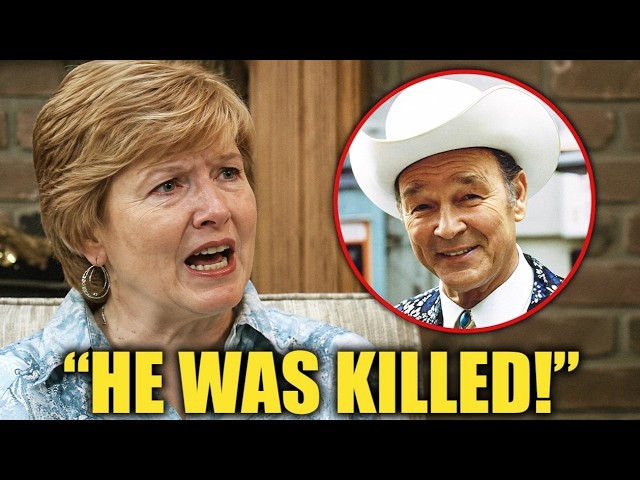
For generations, Roy Rogers was remembered as America’s favorite cowboy, a screen icon who stood for honesty, courage, and kindness. On film, he always seemed fearless, but the story behind the legend was far more emotional than most fans ever realized. Years after his passing, his daughter’s reflections revealed a side of the star that many never truly knew, proving that his greatest battles happened far away from Hollywood cameras. Long before he became Roy Rogers, he was Leonard Sly, a young man raised in a humble family during difficult times.
The Great Depression forced him to work wherever he could, including long days picking fruit in California. Music became his escape, and the songs he shared with fellow workers eventually opened the door to a career that changed his life forever. After joining the Sons of the Pioneers, his talent caught Hollywood’s attention. Studios gave him a new name, a polished cowboy image, and soon Roy Rogers became one of the biggest Western stars in America.
His films, music, and television appearances turned him into a household name, while his famous horse Trigger became almost as popular as he was. Behind the smiling public image, however, Roy’s personal life was filled with heartbreak. His first wife, Arline, died shortly after giving birth to their daughter, leaving him to raise two young children while coping with unimaginable grief. It was one of the darkest moments of his life, yet he continued working because that was what Hollywood expected from its biggest stars.
During that painful chapter, Dale Evans became his greatest source of comfort. Their friendship grew into love, and together they created one of Hollywood’s most beloved partnerships. Fans admired them as the perfect couple, but even they could not escape life’s cruelest challenges. Their greatest joy came with the birth of their daughter, Robin.
Soon after she was born, doctors diagnosed her with Down syndrome. In the early 1950s, many parents were encouraged to place children with disabilities into institutions, believing they would never live fulfilling lives. Roy and Dale refused to follow that advice. Instead, they chose to raise Robin with love, dignity, and acceptance, even when some in Hollywood worried it could damage their carefully crafted public image.
Sadly, Robin passed away before reaching her second birthday. Her death devastated the family, but rather than hide from the pain, Dale Evans transformed her grief into hope. She wrote the best-selling book “Angel Unaware,” offering comfort to countless families raising children with developmental disabilities. The book encouraged compassion at a time when understanding was rare and inspired many people to see these children with greater love and respect.
In later years, Roy’s family continued to speak about the values that guided his life. His daughter helped confirm what many had quietly suspected all along: behind the famous cowboy hat was a devoted father whose greatest legacy was not fame or fortune, but compassion. The image audiences saw on screen was not simply an act. The kindness, humility, and strength that made Roy Rogers a legend were deeply rooted in the way he treated the people he loved.
His story is a reminder that true heroes are not defined by awards, popularity, or success. They are remembered for the choices they make when life becomes painful, and for the love they continue to give even in the face of heartbreaking loss.