Her voice trembled as she stood before the congregation, and the question she asked was barely holding back tears. She wanted to know how she could be sure she was truly saved, especially when blasphemous thoughts kept invading her mind. She also asked whether she should take communion if she wasn’t certain of her salvation, and whether her concern about being among the elect even made sense if she wasn’t chosen. The man answering her was Pastor John MacArthur.
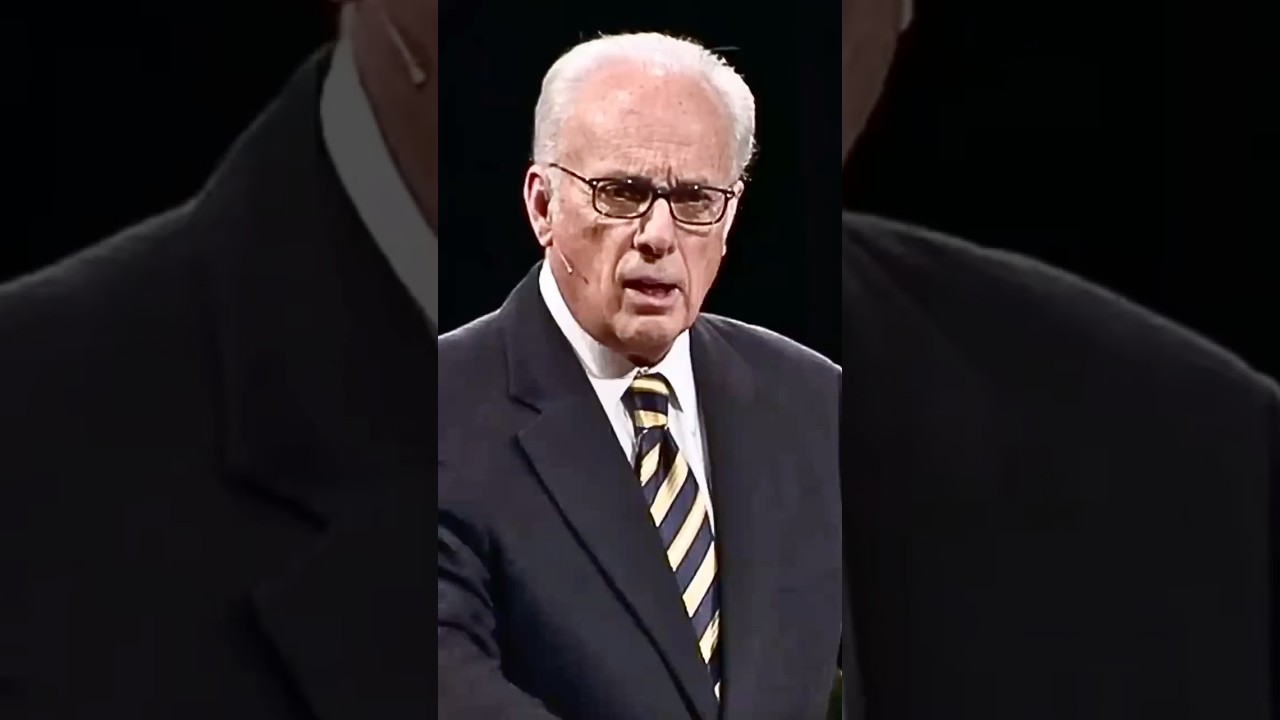
He responded directly to her, calling her by name and acknowledging the deep distress in her question. MacArthur told her that the very fact she was asking those questions was evidence that God was at work in her heart. He said her willingness to stand publicly and reveal her struggles, so openly and sincerely, demonstrated a real hunger to know God. He pointed to that desire as the core of what she was expressing.
According to him, the way you know you are saved is through your own desire. He then walked her through a series of questionsabout whether she wanted to know God, whether she wanted to be known and loved by him, whether she desired his love, whether she wanted to honor him, and whether she wanted to obey his word. She answered yes to each question, but added a critical caveat on the last one: she wanted to obey, but she couldn’t do it in her own strength. MacArthur responded without hesitation, assuring her that none of them could, inviting her to join the list of believers who felt the same limitation.
He then closed by reframing her worry entirely, telling her that anxiety about your own salvation is often a sign that the Holy Spirit is already working inside you. He encouraged her to see her fears not as proof of failure, but as evidence of God’s active work in her soul. It was a pastoral moment aimed at turning her doubt into a reason for confidence, not in herself, but in the work of God.