Dick Van Dyke, who turned 99 in December 2024, spent more than seven decades in the spotlight projecting effortless joy. Behind that cheerful persona, however, the beloved entertainer carried a private battle for most of his career: alcoholism. At the height of his fame in the early 1970s, Van Dyke quietly checked himself into rehab. It was a decision he kept largely hidden from the public for decades.
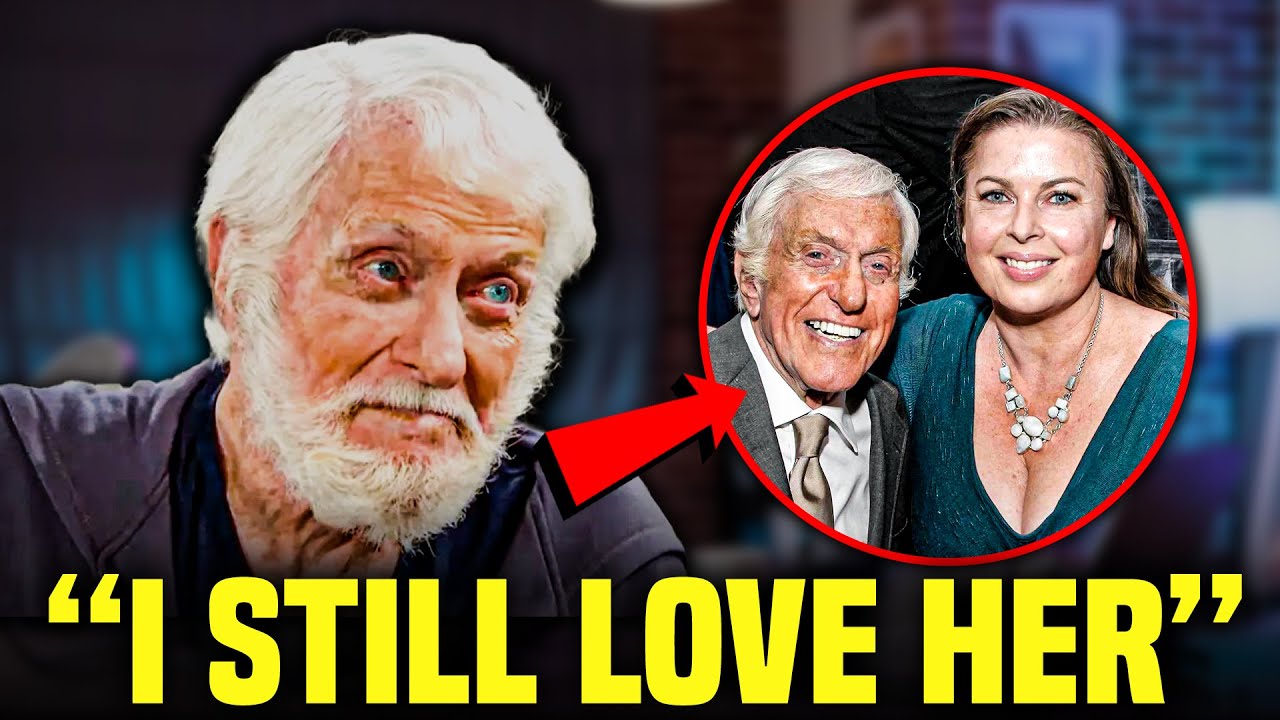
He later admitted that he knew his drinking was out of control and that he asked for help because he did not want it to destroy him. “I was drinking too much and I knew it,” Van Dyke once said. “I didn’t want it to destroy me, so I asked for help. ”
The revelation, which he discussed years later, stunned many fans who knew him only as the grinning star of *The Dick Van Dyke Show*, *Mary Poppins*, and *Chitty Chitty Bang Bang*.
Van Dyke said addiction does not discriminate, noting that it does not care about success or whether a person is loved, and that it takes a fight to push back. His public image was carefully maintained during his decades in entertainment. He rose to stardom through radio and nightclubs before landing his breakout role in *Bye Bye Birdie*, which led to his landmark television sitcom. Audiences saw a performer who appeared to glide through life, but Van Dyke has said he was determined not to burden fans with his personal struggles.
“I never wanted to burden people with my struggles,” he admitted. “They came to me for laughter, not sadness. ”
His recovery shaped the rest of his life. In his later years, Van Dyke became known as much for his remarkable longevity as for his comedy.
He credited a strict routine that included swimming, walking, weightlifting, and water aerobics, often working out three times a week well into his late 90s. “You’ve got to keep moving,” he once said. “If you rest, you rust. ”
He also overhauled his diet, cutting out red meat and alcohol while favoring leafy greens, blueberries, turmeric, and fish.
Van Dyke framed these habits not as vanity but as a form of survival and control following his recovery. Friends and colleagues noted that his optimism was not simply natural temperament but an intentional choice. Van Dyke viewed positivity as a shield, one that allowed him to offer joy to audiences while managing private pain. “People don’t come to me for sadness,” he explained.
“They come for laughter. So that’s what I gave. ”
Less well known is that Van Dyke was an early enthusiast of computer animation. He worked with computer graphics in projects including *Diagnosis Murder* and *The Dick Van Dyke Show Revisited*, earning credits in an area few fans associated with him.
“I’ve always been curious,” he once said. “If something new came along, I wanted to try it. ”
In 2022, Van Dyke released *100 Rules for Living to 100*, a memoir that appeared at first glance to be a cheerful guide to aging. Readers who knew his history found a deeper layer in its pages.
His instructions to keep moving, eat well, and stay positive took on a different meaning when understood as lessons learned through struggle and recovery. “Life is not about avoiding the storm,” he wrote. “It’s about learning how to dance in the rain. ”
In the memoir, he reflected that he did not want people to believe his life had been easy, but he did want them to know it had been worth it.
The book was widely seen as his way of reclaiming his own narrative after decades of being described simply as the eternal optimist. Van Dyke has acknowledged that hiding his struggles came with a cost. He outlived many friends and colleagues, and while his physical energy endured, he admitted that maintaining a sunny public face was exhausting and isolating. “I didn’t want people to see me weak,” he said.
When he finally spoke openly about his addiction and recovery, he found that fans responded not with judgment but with admiration. Van Dyke said the confession brought him peace, and he reflected that what he hopes to leave behind is proof that joy can win even in the hardest times. At nearly a century old, Van Dyke’s legacy is no longer defined only by laughter.
It is defined by resilience, by a man who survived private battles while bringing public joy, and who ultimately chose to share the full truth of his journey.